

Advice after your nerve block for surgery
On this page…
What is Frozen shoulder (also called Adhesive Capsulitis)?
Your shoulder joint has a thin lining around it. This lining is called the capsule. The capsule is like a soft, thin bag. It keeps slippery fluid inside the joint. This helps your shoulder move smoothly.
With frozen shoulder, the capsule becomes:
- Sore and swollen (inflamed)
- Thicker
- Tight
This can cause pain and stiffness. It can make your shoulder hard to move.
The images below show a normal shoulder and a frozen shoulder.
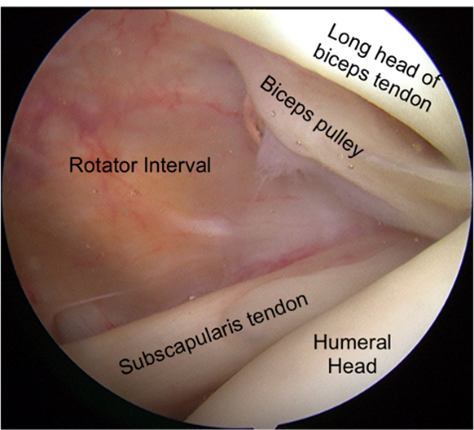
Figure 1 - normal shoulder inside view – note the appearance of the rotator interval
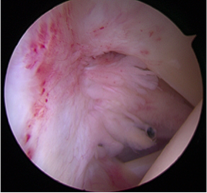
Figure 2 - frozen shoulder inside view - thick, red, inflamed tissue filling and the rotator interval is smaller
The three phases of frozen shoulder
- It starts with sudden pain which can be very intense
- The shoulder becomes stiffer and sometimes the pain gradually reduces
- The thawing phase is the final stage where the pain eases and most if not all movement returns
This process may take up to two to three years.
Frozen shoulder can happen in the other shoulder; it rarely comes back in the same shoulder.
Symptoms vary. Some patients have some discomfort and stiffness, and others have worse symptoms that make daily life very hard. Most people improve eventually without intervention.
Why have I got a frozen shoulder?
A frozen shoulder is a common condition. It is more common in:
- Middle aged people
- Women suffer more than men
- People with diabetes or thyroid problems
Often there is no clear cause. Sometimes it happens after a shoulder injury or surgery to the shoulder. This is called a 'secondary frozen shoulder'.
Most patients improve with treatment including a special injection (ultrasound-guided hydrodistension) and physiotherapy. If your symptoms do not improve, a surgery may be required to help you.
Treatment for frozen shoulder: What is a hydrodistension injection?
Hydrodistension, also called arthrographic distension, is a simple outpatient treatment for frozen shoulders.
- The procedure is done awake
- It usually takes around 15 minutes
- You are not required to stay in hospital after the procedure
The injection is done using ultrasound to guide the procedure. After numbing the area, a mixture of saltwater, steroid, and pain relief medicine is gently injected into the shoulder joint. This helps stretch the tight joint capsule, break down stiffness, reduce pain and improve movement.
Research shows that this treatment can work better than steroid injections alone. It is as effective as more aggressive treatments like shoulder manipulation under anaesthesia, but with fewer risks.
After the procedure, it’s important to rest the shoulder for a few hours.
Start physiotherapy as early as possible to get the best results.
If the treatment doesn’t work, other options such as keyhole surgery or manipulation may be considered following discussion with your consultant.
What are the benefits of this injection?
This treatment has the best results for patients with stiff and painful symptoms of frozen shoulder.
What can I expect to feel during and after the procedure?
Once the area is numb, you should feel:
- Some pain
- You may feel a gentle pushing and pressure sensation
If you feel discomfort, you must tell the doctor who performs the injection during the appointment.
Occasionally, patients say the shoulder feels “full” for a short time.
What can go wrong?
There is a very small risk of infection, as with any joint injection.
There is a small risk of bleeding. You must inform the department if you are taking anti-coagulants such as Warfarin.
Side effects of corticosteroids are uncommon and temporary. These include slight elevation in blood sugars in diabetics, facial flushing, and changes in menstruation. These do not last longer than a few days after the injection.
The procedure can be done without corticosteroid if there are any concerns.
Rarely, you may have discomfort 24 hours after the procedure.
What happens before your appointment?
You do not need to do anything to prepare for this procedure.
The appointment:
- Usually, you will be notified of the appointment in advance
- They allow 30-40 minutes for the appointment, though usually takes less time
What happens after the procedure?
Some people may experience discomfort, which can last for 30 minutes after the procedure.
It is recommended that you arrive and leave the appointment with someone else driving or take public transport. This is in case you do not feel safe to control the vehicle after having the procedure.
What are the alternatives to Surgery?
Physiotherapy
Physiotherapy alone may not help much on its own in the early stages of frozen shoulder. But after the hydrodistension procedure, physiotherapy and exercises are very important. You need to start your exercises regularly and as early as possible after the injection.
Steroid Injection (Cortisone)
Sometimes it is done by your GP before referral to a surgeon.
Surgery for Frozen Shoulder
Surgery may be indicated if the hydrodistension procedure has failed to improve your pain or stiffness to a degree that works for you.
In the surgery, small holes are cut at the front of the inflamed thickened capsule of the shoulder. A manipulation is then performed to restore full range of motion of the shoulder joint. A steroid injection is normally performed at the same time.
For more information: Information for patients having frozen shoulder release surgery :: Frimley Health NHS Foundation Trust
Exercises – British Elbow and Shoulder Society
Please scan the QR code below or click the link below for shoulder exercises that you need to do post procedure.

https://
It is important that you practice these exercises four to five times a day to maximise results.
You can start them before and immediately after your procedure.
They can be beneficial to help improve your mobility without the procedure.
If you have any issues or concerns, please contact your physiotherapist.
Frequent questions:
Sleeping positions
There are no restrictions following the procedure that should affect your sleep. You may feel some discomfort 24 hours after the procedure.
When can I return to work?
If your job requires heavy lifting or use of heavy machinery, we do not recommend you resume this for at least six hours after the procedure.
Sedentary jobs, including office-based roles, can be resumed as soon as you feel comfortable.
When can I drive?
Please call your insurance company to ensure you are safe to resume driving after the procedure. You should return to driving when you feel comfortable to and can operate the vehicle safely.
Sources for further information
https://bess.ac.uk/frozen-shoulder/
https://
Useful contact numbers
Main Reception Treetops Heatherwood 0300 614 4159
Nurses Station Treetops Heatherwood 0300 614 4175
Physio/OT Office Treetops Heatherwood 0300 614 4178
Ward 1 Wexham Park 0300 615 3010 / 0300 615 3012
Physio/OT ward office Wexham 0300 615 3329
Booking centre (appointments) 0300 614 7919 option 1
Contact us
If you have any queries relating to this information, please contact the Orthopaedics service.
About this information
Service:
Orthopaedics
Reference:
N/032
Approval date:
23 July 2026
Review date:
1 July 2029
Click ‘show accessibility tools’ at the bottom of the page

Then click ‘select language’

Alternative formats
You can use the accessibility toolbar at the bottom of your screen to:
-
Change the text size
-
Adjust the font
-
Modify the colour contrast
-
Use the translate function
If you would like this information in another format, such as Braille, audio, or easy read, please speak to a member of staff.
You can also print as well as download as PDF using the “Print this page” button at the end of the page.
Staff will print a copy for you on request
Important note
This page provides general information only. It is developed by clinical staff and is reviewed regularly every 3 years for accuracy. For personal advice about your health, or if you have any concerns, please speak to your doctor.