

Advice after your nerve block for surgery
On this page…
What are the benefits of exercise?
- can help you lose weight or maintain a healthy weight
- improves wellbeing
- reduces stress and anxiety
- reduces risk of osteoporosis
- reduces risk of cardiovascular disease
In addition, being active can help the body use insulin more efficiently and improve diabetes management.
Exercise can increase the amount of glucose used by the muscles for energy, which can lower blood glucose levels.
What are the risks of exercise?
Hypoglycaemia or a “hypo” is the main risk associated with diabetes and exercise. This happens when your blood glucose level falls below 4mmol/L. Early signs and symptoms of a hypo include:
• sweating
• feeling shaky
• tingling lips
• confusion
• feeling irritable
• feeling tired
• blurred vision
• headache
• turning pale
In more severe cases, you may behave oddly, slur your words or even lose consciousness. If you are unresponsive, whoever is with you should call 999 immediately and ask for an ambulance.
Avoid hypoglycaemia by not delaying or missing meals; ensure you include carbohydrates within your diet; and avoid drinking excessive amounts of alcohol.
Precautions
- Avoid exercising when you are ill.
- If your blood glucose levels are higher than normal, discuss this with your Doctor or Diabetes Specialist Nurse.
- Avoid exercising if you have had a severe hypo (where you have required help from someone else) within the previous 24 hours. This is because your stores of glycogen (which converts to glucose) will be depleted.
- Be extra careful if you have had a hypo within the last 24-48 hours as you will be at an increased risk of hypoglycaemia.
Recommendations
Exercise can affect your blood glucose levels both during and after exercise. The response is different in every individual.
It is therefore important to monitor your blood glucose levels where possible before, during and after exercise.
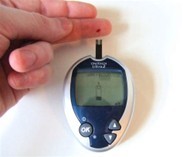
You may need to decrease your insulin dose and/or increase your carbohydrate intake before exercise. The amount will depend on the duration and intensity of exercise.
Before starting exercise, check your blood glucose level. If it is lower than 7mmol/L, then you may need some carbohydrate before exercising to prevent hypos during exercise.
If you are concerned, then discuss this with your Doctor, Dietitian or Diabetes Specialist Nurse who can support you to make adjustments.
What foods should you eat 1-2 hours before exercise?
Slow releasing carbohydrates such as a cereal bar, bread, 2-3 biscuits or a piece of fruit.
If your blood glucose levels drop below 4mmol/L before, during or after exercising, what foods should you eat?
- Step 1: Act quickly. Stop what you are doing.
- Step 2: 15-20g of fast releasing carbohydrates such as:
- 150ml of pure fruit juice
- 4 jelly babies
- small glass of fizzy non-diet Coca-Cola
- 5 gluco tabs or 1 tube of glucose gel
- Step 3: Wait 15 minutes
- Step 4: Re-test your blood sugar
- If your blood sugar is above 4 mmol/l or symptoms have improved: Eat a snack, such as 2 to 3 biscuits, a small banana, or a slice of bread
- Step 5: If your blood sugar is still below 4 mmol/L or symptoms have not improved: Repeat from Step 1. Wait 45 minutes before exercising and ensure blood glucose is above 10 mmol/l
After Exercise
- It is helpful to monitor your blood glucose levels regularly in the hours after activity. Exercise makes your insulin work better and uses up the glucose stored in the muscles and liver which must be replaced in the hours afterwards.
- Because of this you are more likely to have a hypo after activity. You may need to have carbohydrate snacks and/or reduce your insulin doses in the 24 hours following exercise.
What snacks should you eat to maintain or replenish your blood glucose levels?
Slow releasing carbohydrates snacks such as:
• 2 oat biscuit or digestives
• 1 small to medium banana
• 1 cereal bar
• handful of dried fruit and nuts
• a piece of fruit
Exercise increases insulin sensitivity for up to 24 hours after exercise, so monitor your blood glucose levels carefully to reduce the chances of a hypoglycaemic episode
Tips
By law, you must check your blood sugar levels before driving – it must be above 5 mmol/L to drive.
In view of the government’s initiative to reduce the sugar content in food and drinks, it is important to check food labels to ensure there is adequate carbohydrate content.
Useful resources
Contact us
If you have any queries relating to this information, please contact the Respiratory medicine service.
About this information
Service:
Respiratory medicine
Reference:
W/034
Approval date:
14 January 2025
Review date:
1 November 2028
Click ‘show accessibility tools’ at the bottom of the page

Then click ‘select language’

Alternative formats
You can use the accessibility toolbar at the bottom of your screen to:
-
Change the text size
-
Adjust the font
-
Modify the colour contrast
-
Use the translate function
If you would like this information in another format, such as Braille, audio, or easy read, please speak to a member of staff.
You can also print as well as download as PDF using the “Print this page” button at the end of the page.
Staff will print a copy for you on request
Important note
This page provides general information only. It is developed by clinical staff and is reviewed regularly every 3 years for accuracy. For personal advice about your health, or if you have any concerns, please speak to your doctor.