

Advice after your nerve block for surgery
On this page…
What is a Minced and Moist Diet?
You may be advised to have Level 5 – Minced & Moist diet if you have problems with your swallowing or oesophagus (‘food-pipe’). These foods are very soft and moist, requiring adequate tongue strength but only minimal chewing. If you get tired when eating, you are not able to bite or chew very well or chewing is painful this texture may be recommended.
It’s important that Minced & Moist foods are not too sticky because this can cause the food to stick to the cheeks, teeth, roof of the mouth or in the throat.
Minced and Moist
- Soft and moist, but with no liquid leaking/dripping from the food
- Lumps should be no bigger than 4mm in size
- Lumps can be mashed with the tongue
- Biting is not required
- Minimal chewing required
- Food can be easily mashed with just a little pressure from a fork
- Should be able to scoop food onto a fork, with no liquid dripping and no crumbs falling off the fork
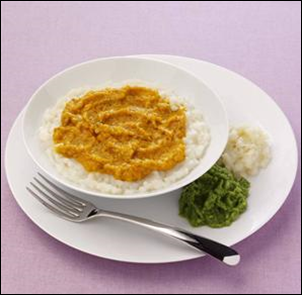
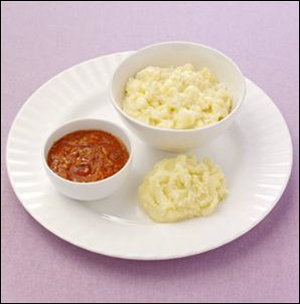
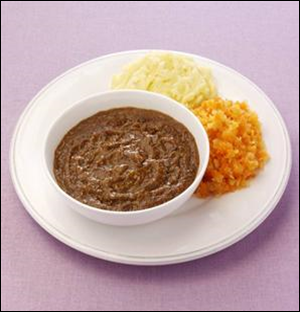
How to prepare a minced and moist meal
Meat should be finely minced or chopped to 4mm lump size served in a thick, smooth, non-pouring sauce or gravy.
Fish should be finely mashed or chopped to 4mm lump size served in a thick, smooth, non-pouring sauce or gravy.
Fruit should be finely mashed or use a blender to finely chop it into to 4mm lump size pieces (drain any excess liquid).
Vegetables should be cooked and then finely mashed or use a blender to finely chop it into to 4mm lump size pieces (drain any excess liquid).
Cereal, such as porridge or Weetabix, should be served thick with small soft 4mm lumps. Any milk/fluid should not separate from the cereal. Drain any excess liquid before serving.
Rice should not be sticky or gluey and requires a thick, smooth, non-pouring sauce to moisten and hold the rice together.
No: hard, tough, chewy, stringy, dry, crispy or crunchy bits
No: Pips, seeds, skins or husks
No: Sticky foods, e.g. marshmallow, nut butters
No: Floppy foods, e.g. lettuce, spinach cucumber
No: bread due to high choking risk!
For instructions on how to make an alternative Minced & Moist sandwich see: https://
Do not use commercial baby foods, these are expensive and do not provide adequate nourishment for adults.
You can purchase ready-made minced and moist meals from suitable companies, e.g. https://
Maximum Nutrition to help Maintain Weight
If you have problems chewing or swallowing, or are unable to eat ordinary solid food for any other reason, it can be difficult to achieve a balanced diet. However, your body still needs just as much nourishment. It is important to maximise your nutrient intake, and particularly aim to take more protein and energy.
This can be done by using everyday foods.
How to fortify everyday foods
Fortified Milk
- Add 2 tablespoons of dried milk powder to a pint of whole milk
- Keep in the fridge and use as fresh milk in drinks and cooking
- Use milk or evaporated milk in place of water in soups, jellies, puddings and bed-time drinks.
Breakfast Cereals
- Use fortified milk
- Sprinkle an extra spoonful of sugar on top
- Add cream, evaporated milk, syrup or honey to porridge
- Cereals need to be soaked into the milk until soft; it should be thick with small soft 4mm lumps. Any milk/fluid should not separate from the cereal. Drain any excess liquid before serving.
Soups - Add one or more of the following:
- Cream / Grated cheese
- Milk powder / Fortified milk
- Extra meat or pulses, e.g. lentils (finely minced or chopped in 4mm size)
- Soft cooked rice/pasta (finely minced or chopped in 4mm size)
Mashed Potato - Add one or more of the following:
- Butter or spread / Grated cheese
- Cream / Fortified milk
Vegetables
Melt butter or spread on top of vegetables or sprinkle with grated cheese or mashed hard-boiled egg, add milk-based sauces.
Puddings - Add one or more of the following:
- Cream / Evaporated milk
- Sugar / Jam
- Honey / Syrup
Nourishing Drinks
- Whenever you do not feel like eating, have a nourishing drink
- You can also drink these between meals to help you put on some weight
- High Protein drinks can be bought from most chemists e.g. Build-Up, Complan, Vitafood (Boots) and are available in a variety of flavours
- Try adding your own ingredients such as Crusha Syrup, pureed fruit, mashed banana, drinking chocolate to natural/vanilla flavoured drinks
- Drinking chocolate and cocoa are nourishing especially if you make them all with milk. Though traditionally bedtime drinks, try taking them between meals occasionally
If you need thickened fluids, make sure your drinks, sauces and soups are the correct consistency as advised by your speech and language therapist. Avoid foods that turn to liquid in the mouth, e.g. ice cream, jelly.
If you are concerned about your food / fluid intake, are experiencing symptoms such as constipation or require more information on appropriate meal ideas / recipes please speak to your Dietitian.
Meal Suggestions
(All the suggestions below should be prepared as per the guidance on how to prepare a minced and moist meal.)
Breakfast
- Weetabix with milk fully absorbed
- Porridge – no lumps
- Scrambled egg – creamy and moist
- Stewed fruit with no skins
- Tinned or fresh fruit, e.g. banana, pears
- Yoghurt or fromage frais
- Greek yoghurt mixed with honey or maple syrup
Main Meals
- Fish served finely mashed or chopped to 4mm lump size served in a thick, smooth, non-pouring sauce or gravy
- Meat minced or chopped to 4mm size in a gravy, white sauce other thick sauce, e.g. tender stews, shepherds/cottage pie, casserole, chilli, bolognaise, lasagne, moussaka
- Smooth dhal
- Cheese and potato pie finely mashed or blended into 4mm lump size pieces
- Vegetables – cooked, finely mashed, grated or finely chopped into 4mm lump size pieces using a blender (drain any excess liquid)
- Potato, creamed/instant with butter and milk
- Well cooked pasta, with plenty of sauce finely mashed or blended into to 4mm lump size pieces
- Mashed potato
- Smooth thick soups
- Risotto cooked until very tender and with enough liquid to not be sticky
- Cauliflower cheese, finely mashed or blended into 4mm lump size pieces
Desserts
- Rice pudding
- Yoghurt, fromage frais, custard
- Fruit served finely mashed or blended to finely chop it into to 4mm lump size pieces (drain any excess liquid)
- Mousse, instant whip, blancmange
- Milk puddings with added jam/honey or sugar
- Tinned or stewed fruit finely mashed or blended into to 4mm lump size pieces, e.g. apricots, pears, peaches
- Semolina
- Custard
- Sponge cake soaked with custard/cream, e.g. swiss roll, ginger cake, madeira cake - finely mashed or blended into 4mm lump size pieces
- Apple crumble and custard mixed together, mashed or blended into 4mm lump size pieces
- Rice pudding
- Ice cream**
- Jelly**
Light Meals and Snacks
- Tinned pasta, e.g. macaroni cheese, spaghetti
- Soups (no bits or lumps)
- Vegetables mashed or blended into to 4mm lump size with cheese sauce, e.g. cauliflower
- Jacket potatoes and filling (discard skins) finely mashed or cut into to 4mm lump size pieces
- Milk or milky drinks, e.g. coffee, Horlicks, Ovaltine, hot chocolate
- Milk shakes made with puréed fruit and ice cream**
- Fromage frais or yoghurt (no bits), mousse
- Hummus, smooth guacamole, cream cheese, Taramasalata
** If a person is recommended to be on thickened fluids, these items are not suitable as they melt to a thinner liquid consistency in the mouth**
Good Feeding Practices
People who experience difficulty swallowing may require extra help when eating and drinking to ensure that food and drink go down the right way. Below is a list of helpful tips to encourage safe eating and drinking.
Alertness
- Eat and drink when most alert
- If eating and drinking is tiring try to eat smaller but more frequent meals, a ‘little and often approach’ with appropriate snacks between meals
Positioning
- Ensure sitting fully upright when eating and drinking, i.e at 90o
- Stay sitting upright for 30 minutes after eating and drinking
- Encourage sitting out in a chair for meals if possible, with hips well back and feet flat on the floor
- If eating and drinking in bed use pillows to support upright sitting if necessary
Oral Care
- Ensure mouth is kept clean and moist
- Ensure dentures are put in before eating
- When you have finished eating, clean mouth and dentures and remove any food residue remaining in the mouth
Environment
- Ensure you can concentrate on eating and drinking and are not distracted by the television, radio or conversation
- If feeding somebody, sit at the same level as them and make eye contact when feeding them
Food
- Explain what the food is and be positive about it
- Make meals look appetising
- Do not mix entire meal together, serve meat, vegetables and carbohydrates separately on the plate
- Make sure your mouth is clear of food and drink before taking the next mouthful. You may need to swallow more than once to clear each mouthful.
- Try to keep meals warm if they take a while to eat
Feeding
- Feed yourself where possible
- If self-feeding is not possible, try to support the person to feed themselves using hand over hand assistance
- Small mouthfuls of food/drink are safer than large mouthfuls
- Allow plenty of time to swallow
- If you become tired, take regular breaks
- If impulsive - try only offering small volumes of food and fluid at once
- Try to avoid using beaker lids and straws as they encourage fluids to travel more quickly through the mouth, potentially reducing control over them and resulting in higher risk of aspiration. Only use them if absolutely necessary.
Eating Out
If you are eating out, let the restaurant know in advance that you have special requirements - most places will be happy to help.
High Risk Foods
|
Food characteristics to AVOID |
Examples of foods to AVOID |
|
Mixed thick and thin textures |
soup with pieces, cereal with milk |
|
Hard or dry food |
nuts, raw vegetables, dry cakes, bread, dry cereal |
|
Tough or fibrous foods |
steak, pineapple |
|
Chewy |
sweets, cheese chunks, chewing gum |
|
Crispy |
crackling, crispy bacon, cornflakes |
|
Crunchy food |
raw carrot, raw apple, popcorn |
|
Sharp or spiky |
corn chips and crisps |
|
Crumbly bits |
dry cake, dry biscuits |
|
Pips, seeds |
watermelon seeds, pumpkin seeds |
|
Food with skins or outer shell |
Peas, grapes, chicken skin, salmon skin, sausage skin, oranges |
|
Foods with husks |
corn, shredded wheat, bran |
|
Bone or gristle |
meat/fish bones, meat with gristle |
|
Sticky or gummy food |
nut butter, overcooked porridge |
|
Stringy food |
beans, rhubarb, lettuce |
|
Floppy foods |
lettuce, cucumber, raw spinach |
|
Crust formed during cooking or heating |
cheese topping, crusty mashed potato |
|
Juicy food |
where juice separates from the food piece in the mouth, for example watermelon, grapes |
|
Large or hard lumps of food |
casserole pieces larger than 4mmx4mmx15mm; fruit, vegetable, meat or other food pieces larger than 4mmx4mmx15mm |
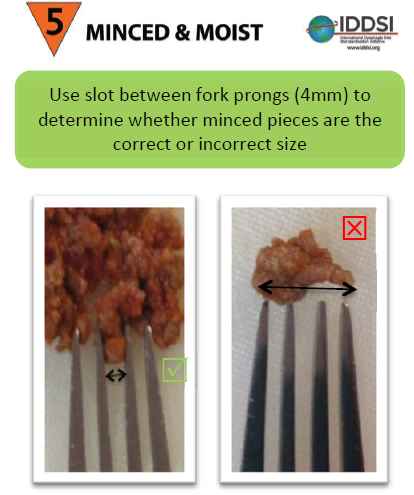
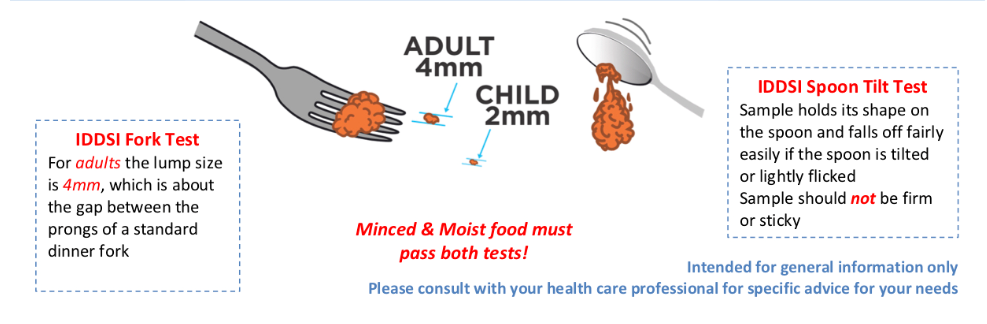
How can I test my food to make sure it is Level 5 Minced and Moist?
Fork Pressure Test
- When pressed with a fork, the particles should easily be separated and come through the tines/prongs of a fork.
- Can be easily mashed with little pressure from a fork (pressure should not make the thumb nail blanch to white).
Reference
The International Dysphagia Diet Standardisation Initiative 2019 https://
Contact us
If you have any queries relating to this information, please contact the Speech and language therapy service.
About this information
Service:
Speech and language therapy
Reference:
VV/011
Approval date:
20 September 2024
Review date:
1 July 2027
Click ‘show accessibility tools’ at the bottom of the page

Then click ‘select language’

Alternative formats
You can use the accessibility toolbar at the bottom of your screen to:
-
Change the text size
-
Adjust the font
-
Modify the colour contrast
-
Use the translate function
If you would like this information in another format, such as Braille, audio, or easy read, please speak to a member of staff.
You can also print as well as download as PDF using the “Print this page” button at the end of the page.
Staff will print a copy for you on request
Important note
This page provides general information only. It is developed by clinical staff and is reviewed regularly every 3 years for accuracy. For personal advice about your health, or if you have any concerns, please speak to your doctor.