

Advice after your nerve block for surgery
On this page…
What is distal limb feeding?
- Distal limb feeding (fistuloclysis) is a treatment whereby liquid nutrition is injected into the downstream (distal) part of the bowel, via a feeding tube.
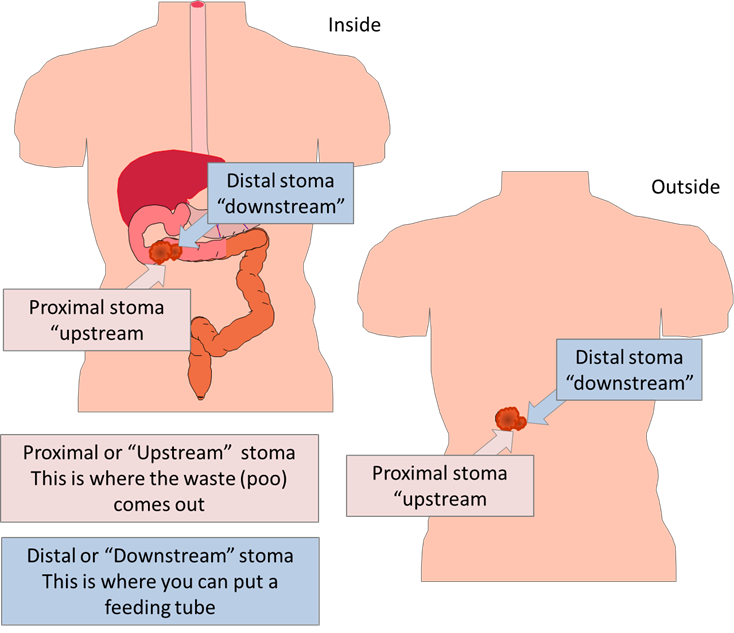
- The feeding tube is passed through the downstream part of your ileostomy. See below.
- The aim of distal feeding is to provide a small amount of nutrition, which will maintain the quality of the bowel, which is out of circuit in preparation for surgery to close your ileostomy and re-join your bowel.
What are the benefits?
When the distal limb of bowel is “out of circuit’ it will not have any nutrition passing through it. This can affect the quality and health of this length of bowel.
- Feeding down the distal limb helps to maintain the health and function of this part of the bowel which in turn helps to speed up healing following surgery
- Distal feeding can also maintain anal muscle tone as normal bowel emptying will continue.
What does it involve?
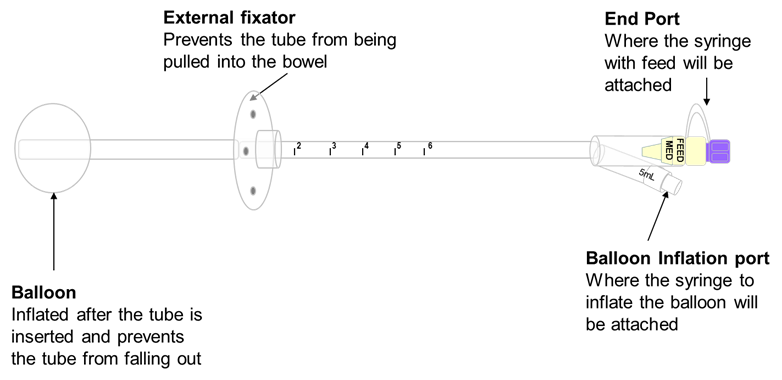
A feeding tube called a balloon gastrostomy will be placed into the distal (downstream) part of your ileostomy. This is a simple and painless procedure.
Administering Distal Limb Feed
Equipment required;
- Gastrostomy tube + 3ml syringe
- 50ml enteral syringes x2
- Bottle of nutritional supplement
- Clean containers x2
- Wash your hands.
- Collect the equipment needed and place it close at hand.
- Open the bottle of nutritional supplement and pour contents into a clean container.
- Fill a second clean container with tap water.
- Draw up 50 mL of feed into one of the enteral syringes, 10mL water into the second syringe and 3mls into 3ml syringe.
- Carefully insert the feeding tube into the distal limb of your stoma and inflate balloon with 3mls as you were shown by your stoma care nurse.
- Attach syringe with feed to end connector. Administer the feed by slowly pressing on the plunger of the syringe. If you notice feed leaking out, then stop and wait a few moments before continuing. Continue to administer until the entire contents of the syringe is empty. Repeat until the prescribed volume of feed has been given (2 syringes in total).
- Attach syringe with water to tube and flush with 10mL water. This will remove any remaining feed, which if left could cause the tube to block.
- During the feeding procedure the feed may leak back into the stoma bag. This is normal and there is no need to be concerned. The feed leaking back bathes the first part of the bowel and will help to keep it healthy.
- After the water has been flushed down the tube draw the water out of the ballon and carefully remove the feeding tube.
- Fit your stoma appliance in the usual way.
Washing your reusable equipment
|
|
|
2. Fill a clean sink with warm water and washing up liquid |
|
|
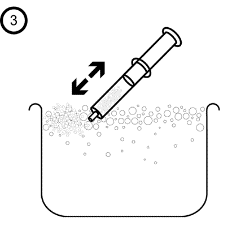
3. Pump the plunger in and out several times, then separate the barrel and plunger |
 |
|
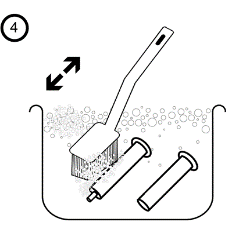
4. Use a soft brush to remove any debris |
 |
|
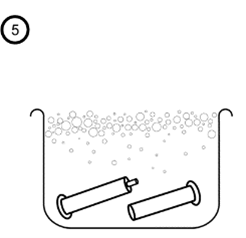
5. Soak under the water for 1 minute |
 |
|
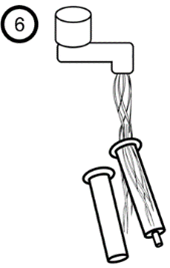
6. Rince well under running water |
 |
|
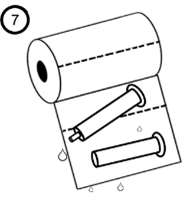
7. Dry excess water off with a paper towel |
 |
|
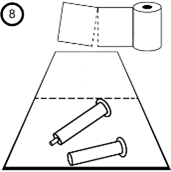
8. Place on clean paper and allow to dry in the air |
 |
| 9. Store in a clean lidded container | 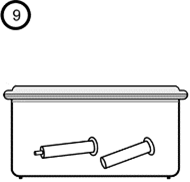 |
Feeding Tube Care
Equipment required: 1x 50ml enteral syringe
1. Fill a clean sink with warm water and washing up liquid
2. Draw up some of the solution into the syringe and attach to the end of the feeding tube
3. Attach syringe to feeding tube and gently flush water down the tube to clean
4. Repeat as necessary
5. Put feeding tube into the water and gently wash off any debris
6. Soak under the water for 1 minute
7. Rinse well under running water
8. Dry excess water off with a clean paper towel
9. Place on a clean cloth and allow to dry in the air
10. Store in a clean container which has a lid
Distal Feeding Plan
You will be given an appointment with your stoma nurse prior to planned ileostomy reversal to demonstrate the process of distal feeding, practice tube insertion and receive all equipment & prescription for feed.
You will receive a follow-up call to review how you are managing.
Duration of feed: Two weeks (200ml daily)
|
Time |
Feed |
Water |
|
Morning |
Peptisip energy 100ml |
10ml |
|
Evening |
Peptisip energy 100ml |
10ml |
Equipment
The equipment to perform distal feeding will be provided by the Stoma Care Nurses to include.
- 1x Bolus Gastrostomy Feeding Tube with ENfit connector 12F
- 3x 50-60ml ENfit tip syringe
- 1x 3ml syringe
- 2x Jug container
You will be given a prescription for a two-week supply of Peptisip energy HP nutrition supplement
Possible Complications
Some people experience loose stools and abdominal discomfort initially. This normally settles with no intervention.
Sometimes the tube may block from left over feed. Try to clear tube by flushing with water. If the tubing does not clear, then contact the stoma nurses.
Sometimes people may experience constipation as the bowel gets used to having something in it again. Please let the stoma nurses know if this occurs.
Distal limb feeding should not be associated with any pain or bleeding. If either occur, please stop the feed and contact the stoma nurses. If the bleeding is more than a tablespoon you should attend your local A&E. This is extremely unlikely to occur.
Contact details for the for the Stoma Care Team.
Contact us
If you have any queries relating to this information, please contact the Stoma care service.
About this information
Service:
Stoma care
Reference:
H/105
Approval date:
30 January 2026
Review date:
1 June 2028
Click ‘show accessibility tools’ at the bottom of the page

Then click ‘select language’

Alternative formats
You can use the accessibility toolbar at the bottom of your screen to:
-
Change the text size
-
Adjust the font
-
Modify the colour contrast
-
Use the translate function
If you would like this information in another format, such as Braille, audio, or easy read, please speak to a member of staff.
You can also print as well as download as PDF using the “Print this page” button at the end of the page.
Staff will print a copy for you on request
Important note
This page provides general information only. It is developed by clinical staff and is reviewed regularly every 3 years for accuracy. For personal advice about your health, or if you have any concerns, please speak to your doctor.