

Advice after your nerve block for surgery
On this page…
What is pelvic organ prolapse?
Pelvic organ prolapse is a condition where the pelvic organs, including the uterus (womb), bladder, or bowel, descend into the vaginal space due to weakened supporting tissues. This leaflet aims to provide you with information about vaginal pessaries as a non-surgical option for managing pelvic organ prolapse.
What causes a pelvic organ prolapse?
There are several factors that can contribute to pelvic organ prolapse with the following being the common factors.
- Childbirth.
- Aging.
- Lifting heavy weights or objects for a long period of time.
- Smoking.
- Genetic predisposition.
- Conditions that cause excessive pressure to pelvic floor such as being overweight, constipation and straining to open bowels.
What is a vaginal pessary?
A vaginal pessary is a removable support device that is placed in your vagina to hold up the prolapsed walls of the vagina or uterus. There are different type of pessaries available including: Ring pessary, Gellhorn pessary, Shelf pessary and Cube pessary. Most of these are made from silicon, a non-absorbent material that will need changing regularly every few months to avoid harm. Some pessaries will need changing more frequently than others. They all come in different sizes for a personalised fit and to avoid them falling out.
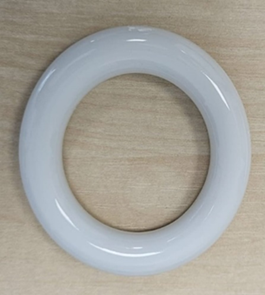 |
Ring Pessary |
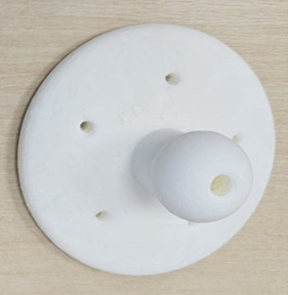 |
Gellhorn Pessary |
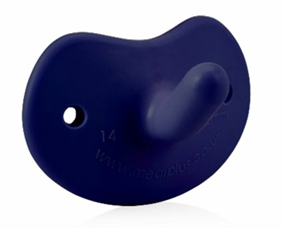 |
Shelf Pessary |
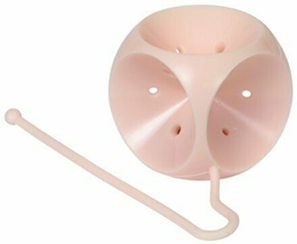 |
Cube Pessary |
How is a pessary fitted?
Pessaries are fitted after a vaginal examination is carried out by a medical professional to assess the type of prolapse and to make a subjective measurement of your vagina to decide on the best type of pessary for you. If a pessary is too small it may fall out, either on its own or when passing urine or during a bowel motion. A pessary that is too large may give pressure symptoms and feel uncomfortable. Sometimes it can take a few attempts to find the most suitable size and type of pessary.
What shall I expect from my first placement of a vaginal pessary?
Once the pessary is fitted you will be asked to walk up and down the clinic waiting area and try to pass urine. If the pessary is too small it may fall out which means you will be fitted with another pessary, next size up. If the pessary does not fall out, you are good to go home and wait for an appointment to have this changed in the next 3-6 months, depending on the type of pessary that has been fitted.
Will I be able to have sexual intercourse?
You will be able to have sexual intercourse with a ring pessary inside. If you use a cube pessary it needs to be taken out before sex. You will not be able to have sex with a Gellhorn or shelf pessary.
What are the benefits of having a vaginal pessary?
- This can be used as an alternative to surgery, and you could avoid surgery if a pessary works for you.
- A vaginal pessary can ease your prolapse symptoms and make you feel more comfortable.
- Relieve prolapse symptoms while waiting for surgery.
- Relieve prolapse symptoms while you are undergoing physiotherapy.
- Relieve prolapse symptoms while you are recovering post childbirth.
What should I watch out for once I have the pessary in situ?
If you experience any of the following, please report these to your doctor or nurse.
- Foul smelling vaginal discharge.
- New onset urinary incontinence or worsening urinary incontinence.
- Passing urine or stools through the vagina.
- Difficulty opening your bowels.
- Vaginal bleeding.
- Vaginal pain or discomfort.
- If you are unable to pass urine, please attend the Emergency Department
What are the risks/ complications of having a vaginal pessary?
If you experience any of the following you must report these to your GP, or the hospital on the numbers given below:
- Whitish or yellow discharge is common with vaginal pessaries, however an increase in vaginal discharge which is foul smelling and/or irritation can be due to infection or vaginal ulcer.
- Superficial vaginal wall erosion or ulcer and very rarely a fistula [opening between vagina and adjacent organs] can occur from the pessary.
- Difficulty passing urine or opening your bowels could be due to wrong size or displacement of pessary inside.
- Vaginal bleeding could be due to vaginal erosion or ulcer.
- Vaginal pain or discomfort- could be due to vaginal ulcer, infection, or wrong size pessary.
You will often be prescribed vaginal estrogen to reduce the risk of vaginal erosion, ulceration and to keep the vaginal tissue healthy.
Who do I contact if I have any questions or concerns?
• Frimley patients Urogynae secretary: 0300 613 6079 or UGCC on 03006154429
• Wexham patients Urogynae secretary: 0300 615 6021 or UGCC on 03006136418
Contact us
If you have any queries relating to this information, please contact the Gynaecology service.
About this information
Service:
Gynaecology
Reference:
L/128
Approval date:
28 March 2025
Review date:
1 November 2027
Click ‘show accessibility tools’ at the bottom of the page

Then click ‘select language’

Alternative formats
You can use the accessibility toolbar at the bottom of your screen to:
-
Change the text size
-
Adjust the font
-
Modify the colour contrast
-
Use the translate function
If you would like this information in another format, such as Braille, audio, or easy read, please speak to a member of staff.
You can also print as well as download as PDF using the “Print this page” button at the end of the page.
Staff will print a copy for you on request
Important note
This page provides general information only. It is developed by clinical staff and is reviewed regularly every 3 years for accuracy. For personal advice about your health, or if you have any concerns, please speak to your doctor.