

Advice after your nerve block for surgery
On this page…
Categories:
General notes about breast pain
Breast pain, also known as mastalgia or mastodynia, is not usually a sign of breast cancer.
Breast pain is very common and is mostly due to sensitivity of the breast tissue to normal hormonal changes.
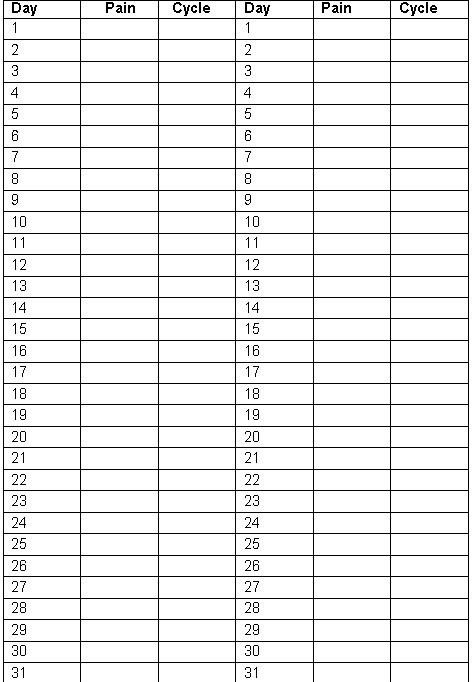
Keeping a daily diary for a few months will help you to determine which type of breast pain you have.
The importance of being breast aware
Pain is not usually an early symptom of breast cancer.
Check your breasts regularly to learn what is normal for you. The best time is usually the first week after your period. Look in the mirror for dimpling or nipple changes, first with your arms by your sides, and then with arms raised above your head.
To check your breasts, use flat fingers, either while lying down or with a soapy hand in the bath or shower.
Always report any new thickenings or changes to your doctor so they can be checked. Familiar lumps and bumps that do not change over time are not a cause for worry.
There are two types of breast pain
1. Cyclical
2. Non-cyclical
Cyclical breast pain
Is most common between the ages of 30-50 and amongst those women taking Hormone Replacement Therapy (HRT) after their menopause.
This is linked to changing hormone levels during the menstrual cycle. It occurs in the days leading up to a period, and usually eases soon after the period starts. You may experience your breasts becoming larger; heaviness; tenderness; a burning prickling; or stabbing pain affecting one or both breasts which is often worst radiating into your armpit.
What causes cyclical breast pain?
Its exact causes are unknown. Although often linked to the menstrual cycle, pain can also be associated with starting the contraceptive pill, contraceptive coil fittings, certain antidepressant drugs and some herbal remedies (such as ginseng) or stress.
What can you do about cyclical breast pain?
- Make sure your bra is correctly fitted
- Many stores have a specialist bra fitter, and you may find it helpful to wear a cotton sports bra in bed.
- Diet and lifestyle changes.
- Avoid caffeine; reduce your intake of chocolate and red wine.
- Reduce cigarettes or stop smoking.
- Take pain killers such as Paracetamol or Ibuprofen regularly on painful days.
- Increase fresh fruit and exercise and maintain a healthy body weight.
- The contraceptive pill or hormone replacement (HRT) can make breast pain worse in some women. Discuss this with your doctor.
Taking Gamolenic Acid (GLA)
This is found in borage/starflower/evening primrose oil and is shown to reduce breast pain in 70% of women.
Your doctor may advise taking GLA in remedies such as evening primrose oil or starflower oil, and these are available at supermarkets, chemists, and health food outlets. The doctor will advise on how much to take and for how long. It can take up to 6-8 weeks before you feel any improvement.
Side effects of GLA
These are usually mild, such as nausea or diarrhoea, and are often helped by taking capsules with food or reducing the dose for a short time.
GLA should be avoided by people with epilepsy or bipolar depressive disorder.
Always check with a pharmacist or chemist.
Other medications
Such as Danazol, Tamoxifen or Bromocriptine are usually prescribed by a specialist surgical clinic and work by reducing oestrogen hormone levels. However, all have side effects and you will need a discussion about their benefits and potential risks with your doctor.
Non-cyclical breast pain
Less common and accounts for about 1/3 of all cases.
More common in women over the age of 40.
Breast pain that is not linked to the menstrual cycle
Extra-mammary, or chest wall pain (musculo-skeletal pain) is felt in the area of the breast but actually comes from elsewhere, from the chest wall or under the breast. It may be in both breasts or it may be localised.
What causes non-cyclical breast pain?
The causes are often not clear. It may be related to non-cancerous (benign) conditions not directly related to the breast and is unlikely to be due to a serious breast problem.
What can you do about non-cyclical breast pain?
It may cease after a few months without any treatment. Taking painkillers such as Ibuprofen may ease pain. Other treatments will depend on whether a cause is found.
Contact us
If you have any queries relating to this information, please contact the Radiology service.
About this information
Service:
Radiology
Reference:
PILS-MAMM.17
Approval date:
28 November 2023
Review date:
28 November 2026
Click ‘show accessibility tools’ at the bottom of the page

Then click ‘select language’

Alternative formats
You can use the accessibility toolbar at the bottom of your screen to:
-
Change the text size
-
Adjust the font
-
Modify the colour contrast
-
Use the translate function
If you would like this information in another format, such as Braille, audio, or easy read, please speak to a member of staff.
You can also print as well as download as PDF using the “Print this page” button at the end of the page.
Staff will print a copy for you on request
Important note
This page provides general information only. It is developed by clinical staff and is reviewed regularly every 3 years for accuracy. For personal advice about your health, or if you have any concerns, please speak to your doctor.