

Advice after your nerve block for surgery
On this page…
Swallowing Therapy Airway Protection Exercises
Super-supraglottic swallow
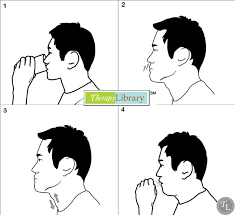
This swallow technique is designed to make sure that you have maximum airway protection when you swallow (stopping food or drink going down the wrong way).
- Breathe in through your nose and hold your breath in your throat.
- Put food or drink in your mouth.
- As you swallow, keep holding your breath and squeeze all the muscles in your throat, swallow hard. If you’re finding it difficult to tighten your throat muscles, push down with your arms on the sides of a chair.
- Immediately after the swallow, let some air out that you have been holding with a grunt or a small cough.
- Repeat 25 times per day, 6 out of 7 days per week for at least five weeks.
You may find it helpful to use the chart below in this leaflet to document your progress.
Progress Chart

Contact us
If you have any queries relating to this information, please contact the Speech and language therapy service.
About this information
Service:
Speech and language therapy
Reference:
VV/025
Approval date:
13 December 2024
Review date:
1 November 2027
Click ‘show accessibility tools’ at the bottom of the page

Then click ‘select language’

Alternative formats
You can use the accessibility toolbar at the bottom of your screen to:
-
Change the text size
-
Adjust the font
-
Modify the colour contrast
-
Use the translate function
If you would like this information in another format, such as Braille, audio, or easy read, please speak to a member of staff.
You can also print as well as download as PDF using the “Print this page” button at the end of the page.
Staff will print a copy for you on request
Important note
This page provides general information only. It is developed by clinical staff and is reviewed regularly every 3 years for accuracy. For personal advice about your health, or if you have any concerns, please speak to your doctor.