

Advice after your nerve block for surgery
On this page…
Tips to Help Relieve Nausea and Vomiting:
- Have small frequent meals and graze on snacks every two or three hours, rather than trying to have three larger meals daily
- If you feel sick in the morning, try eating a cracker or dry biscuit before getting out of bed
- Make the most of times when nausea and vomiting have subsided—you do not have to wait until mealtimes to eat
- Try to eat a small snack one hour before going to sleep at night. This may prevent nausea in the morning when you wake up
- Chew and swallow your foods slowly, do not rush your meals
- Avoid strong cooking smells. Cold, drier foods with less smell may be better tolerated
- If possible, ask someone else to do the cooking or have meals and snacks available that require little preparation
- Drink most of your fluids between meals to avoid filling up on these when you are trying to eat
- Sip fluids little and often rather than large amounts at once, to help prevent vomiting
- Spicy, oily/fried or rich foods may be less well tolerated
- Complimentary therapies can work such as hypnotherapy, acupressure and acupuncture
- Try to eat in a well-ventilated room
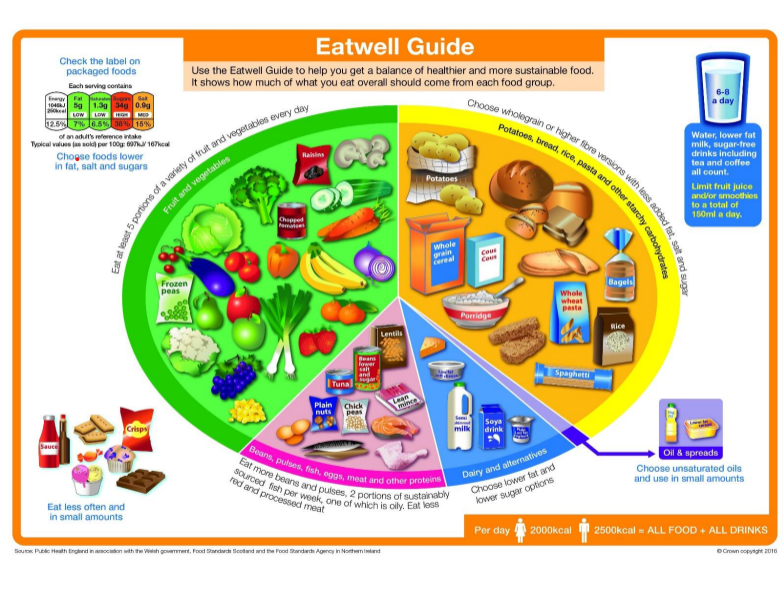
Snack Ideas
- Cereal bar
- Crisps, pretzels
- Cheese and crackers
- Plain biscuits
- Plain sponge cake
- Hot cross bun
- Ice cream/ice lollies/sorbet/mousses
Starchy Carbohydrates
- Dry toast, roll, bagel, crumpet, wrap, pitta chapatti, roti, dosa, paratha or other types of bread
- Dry crackers, crispbreads, rye crackers, rice cakes, oat cakes, breadsticks
- Potatoes (e.g. Sweet potato, jacket, mashed, boiled, roasted), Yams
- Cereals, dry or with milk or milk alternative (e.g. cornflakes)
- Oats with milk or milk alternatives
- Plain rice, pasta, noodles, Thukpa
- Couscous, bulgar wheat, quinoa and other grains
Protein
- Grilled or baked plain chicken/turkey breast
- Grilled or baked lean beef or ham
- Ready-to-eat cold meats
- Plain white/non-oily fish or fish fingers (e.g. cod, haddock, pollock)
- Eggs (e.g. hard boiled, scrambled egg or poached)
- Beans and lentils, quinoa, tofu, tempeh, edamame, daal
- Nuts, seeds and their butters (e.g. cashew, peanut, almond butters)
Dairy and Alternatives
- Milk or alternative milk drinks (e.g. nut, oat, rice, soya)
- Yogurts
- Custard, rice pudding or other milk puddings
- Plain, hard or pasteurised cheeses
Fruit and Vegetables
- Raw, cut vegetables such as carrots, cucumber, peppers, leafy greens (e.g. spinach, kale, cabbage, bok choy)
- Raw, cut fruit such as apples, pears, melon, mango
- Citrus fruits, oranges, satsumas, tangerines, grapefruits
- Tinned fruit in fruit juice
Stay Hydrated
Replacing fluids lost through vomiting is very important as it will prevent dehydration. Getting enough fluid is difficult and water is not always the best option.
The following liquids or methods of taking liquids may be better tolerated, whilst in some cases also providing extra energy and nutrients:
- Diet/zero-fizzy drinks
- Juices, squash, cordial
- Milk, milkshakes or smoothies
- Suck on ice cubes made from water, flat fizzy drinks or squash
- Jelly and ice lollies
- Freeze half a bottle of water or squash and top up with cold water/extra squash to keep it cold for longer
- Continually sip very small amounts of fluid through a straw
Contact us
If you have any queries relating to this information, please contact the Dietetics service.
About this information
Service:
Dietetics
Reference:
DT/047
Approval date:
30 June 2025
Review date:
29 June 2028
Click ‘show accessibility tools’ at the bottom of the page

Then click ‘select language’

Alternative formats
You can use the accessibility toolbar at the bottom of your screen to:
-
Change the text size
-
Adjust the font
-
Modify the colour contrast
-
Use the translate function
If you would like this information in another format, such as Braille, audio, or easy read, please speak to a member of staff.
You can also print as well as download as PDF using the “Print this page” button at the end of the page.
Staff will print a copy for you on request
Important note
This page provides general information only. It is developed by clinical staff and is reviewed regularly every 3 years for accuracy. For personal advice about your health, or if you have any concerns, please speak to your doctor.