

Advice after your nerve block for surgery
On this page…
Why is it important to know what is happening with my blood glucose levels?
In people with Cystic Fibrosis (CF), the pancreas may not work properly, and the production of insulin can be reduced or even stop. Insulin is a hormone in the blood which helps the body to use the glucose (sugar) from your food for energy.
Blood glucose levels may be raised for short periods due to infection or treatment with steroids. If blood glucose is consistently high, then you may have developed CF diabetes. This is a common complication of CF affecting around 1/3 of the CF population aged 16 and above.
High blood glucose levels provide a sugary environment which bacteria thrive in. This means you may be more susceptible to catching infections or it may take longer to recover once you are ill. You may also start to lose sugar (and energy) in your urine leading to weight loss and dehydration.
Symptoms of high blood glucose levels
|
Symptoms of High Blood Sugars |
Long Term Effects of High Blood Sugars |
|
Increased thirst, dehydration, constipation, headaches
|
Damage to kidneys |
|
Passing more urine, especially at night |
Problems with nerves, causing tingling, burning or numbness in fingers and feet |
|
Tiredness, blurred vision, dizziness
|
Eye problems |
|
Pins and needles, shaking |
More regular chest infections and loss of lung function |
|
Unintentional weight loss
|
Underweight |
|
More infections and slower recovery or healing
|
Recurrent thrush or urinary tract infections |
|
Reactive hypoglycaemia (low blood glucose levels) after eating sugary foods
|
Higher risk of developing heart disease |
Common tests and what they mean
Oral Glucose Tolerance Test (OGTT)
This is when blood glucose is measured at 1 hour and 2 hours after drinking a sugary liquid. Usually done during your annual review.
|
OGTT Results |
What this means |
|
At 1 hour: |
|
|
Above 11.1 mmol/l |
‘Indeterminate’ glucose tolerance, shows a delay in releasing insulin. Increased risk of developing diabetes in the future. |
|
At 2 hours: |
|
|
Less than 7.8 mmol/l |
Normal |
|
Between 7.8 and 11.0 mmol/l
|
Impaired glucose tolerance |
|
Above 11.1 mmol/l |
Diagnosis of CF Diabetes |
HbA1c
A measurement of the amount of glucose that naturally sticks to red blood cells. When we see this level increasing, we may suggest some further tests.
Continuous glucose monitoring
(CGM) uses a small sensor worn on the arm or tummy, to track glucose levels in real-time. It sends data to a smartphone or reader and provides 24-hour trends.
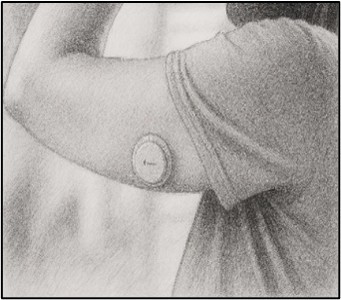
CGM can help to identify changes in your glucose levels that could go unnoticed with a HbA1c test or finger-prick measurements. It will track changes in your glucose levels after you eat, when you exercise and while you are sleeping.
We look at the percentage of time blood glucose levels are within normal range (3.9 – 7.8 mmol/l) and how many times glucose levels rise above 11.1 mmol/l during the monitoring period. This helps us to make decisions on diagnosis and treatment.
Treatment Options
- Dietary control
- Tablets such as linagliptin, sitagliptin and metformin
- GLP-1 medications (tablets or weekly injections)
- Daily insulin injections
Treatment recommendations will be based on your ‘time in range’ during continuous glucose monitoring, plus a variety of other factors including weight and lung function trends.
Where does the glucose in my blood come from?
Carbohydrate or ‘carbs’ in food are broken down into glucose (sugar) during the process of digestion and absorbed into your blood. Carbs are found in lots of common foods (see examples below).
|
CARBOHYDRATES |
||
|
STARCHY CARBS |
SUGARS |
|
|
NATURAL SUGARS |
FREE OR ADDED SUGARS |
|
|
Bread / baked goods Pasta Rice Noodles Couscous Potatoes Breakfast cereals Starchy Vegetables |
Milk Yogurt Fruit sugars (fructose) Dried fruit (fructose) |
Biscuits Cakes Sweet pastries Sugary drinks Honey/syrup/jam Table sugar Fruit juice Sweets and chocolate |
Sugary foods or large portions of starchy carbs can cause an increase in blood glucose levels. Choosing lower sugar options, eating smaller portions and spreading portions out across the day can help keep levels stable.
Fat and protein mixes with the carbohydrates in your stomach and slows down the release of glucose into the blood, so it is better to eat a combination of these food groups together.
Sugary drinks often cause high blood glucose levels. It is better to use ‘sugar-free’, ‘no added sugar’ or ‘diet’ drinks.
Reactive Hypoglycaemia
Reactive hypoglycaemia is a condition where blood glucose levels may drop too low after eating, usually within 2-4 hours, resulting in symptoms such as shaking, faintness, hunger, feeling irritable and a lack of energy.
It occurs when too much insulin is produced by the pancreas or there is a delay in insulin being released after a large carbohydrate-based meal or sugary snack/drink. The extra insulin continues to act after the glucose from the meal has been absorbed, causing blood glucose levels to fall to lower than normal.
What can I do to prevent this?
- Avoid having sugary foods/drinks or try having them at the end of a meal containing fat and protein, rather than between meals,
- Prevent blood glucose from dropping by eating a small carbohydrate snack (e.g. plain biscuit, portion of fruit, glass of milk) at the time of day when hypoglycaemia usually occurs (mid-morning is common)
- Eat regular meals and avoid long periods without eating
- Include starchy carbohydrates (ideally high in fibre) at every meal
- Try to follow a low glycaemic index diet (see back of book)
Sweeteners
Large studies have provided evidence that artificial sweeteners are safe to use. They can be used instead of sugar as they contain very little or no carbohydrate. They are available as tablets for sweetening drinks or liquids and powders for use with cereals and desserts. Having too much sweetener (e.g. xylitol, sorbitol, mannitol) may cause bloating, wind and/or diarrhoea.
Which foods do not significantly affect blood glucose levels?
- Protein foods e.g. meat, fish, eggs, nuts, soya/tofu, beans and pulses (not including baked beans or battered/breaded foods). Very large protein portions may affect your glucose levels.
- Fats e.g. butter, oil, mayonnaise, nuts, seeds and cream.
- Vegetables (not including starchy vegetables such as potatoes, swede, butternut squash, parsnips, corn).
Low Sugar or Sugar-free Alternatives
|
Foods/drinks High in Sugar |
Low Sugar or Sugar-free Alternatives
|
|
Sugar, jam, marmalade, honey, lemon curd, treacle and golden syrup |
Artificial sweeteners, e.g. Stevia Hermesetas, Canderel, Sweetex, Splenda |
|
Sweets, chocolate, mints, chewing gum |
Sugar free chewing gum, sugar free mints/sweets, 2-3 squares of dark chocolate (over 70% cocoa) |
|
Sugar or honey coated breakfast cereals e.g. Coco Pops, Frosties, Honey Nut Cornflakes |
Lower sugar breakfast cereals, e.g. Weetabix, shredded wheat, porridge, muesli, low sugar granola |
|
Chocolate coated and cream filled biscuits Sugary cereal bars |
1-2 Hobnob or Digestive biscuits Nut or seed bars e.g. Eat Natural, Nature Valley Protein, Nine Bar, Kind Bar |
|
Sweet, flavoured yogurts e.g. fruit yogurts or those containing sweet toppings/sprinkles |
Natural or Greek yogurt, High protein, low carbohydrate yogurts e.g. Skyr, Fage, Alpro yogurts |
|
Sweet puddings, crumbles, sponge puddings, trifle, cheesecake, mousse, instant and tinned puddings, fruit in syrup |
Fruit in natural juice, sugar free jelly/angel delight, home-made low-sugar rice pudding, semolina or custard made with sweetener |
|
Cakes, pies, tarts |
Low sugar baked foods e.g. scones, teacakes, crumpets |
|
Condensed milk, drinking chocolate, malted milk drinks |
Evaporated milk, ‘light’ hot chocolate e.g. Options, Cadburys Highlights |
|
Fizzy drinks, energy drinks, fruit squash, milkshakes |
Diet fizzy drinks, ‘sugar free’ or ‘no added sugar’ squash, flavoured water, soda or mineral water |
Understanding Carbohydrates and the Glycaemic Index
Carbohydrates affect your blood glucose (sugar) levels in different ways. The glycaemic index (GI) is a simple way of showing how quickly carbohydrate foods are broken down into glucose and released into your bloodstream.
- High GI foods are digested quickly and can cause your blood glucose levels to rise faster.
- Low GI foods are digested more slowly, leading to a steadier, smaller rise in blood glucose.
Choosing low GI foods can help keep your blood glucose levels more stable after eating. This can make it easier to manage your energy levels.
What affects the GI of your food?
- Wholegrains and fibre help slow things down, giving the food a lower GI.
- The type of sugar matters. Foods with glucose or sucrose (table sugar) raise blood sugar faster, while those with fruit sugars or milk sugars raise it more slowly.
- Adding fat, protein, or a splash of acidity (like vinegar in a dressing) can help keep the GI lower.
- Fruit changes as it ripen (firmer fruit = lower GI, softer and sweeter fruit = higher GI).
- More cooking or processing usually means the food is digested faster, giving it a higher GI.
- How you cook something makes a difference: for example, baked potatoes raise blood sugar faster than boiled or roasted potatoes.
- Cook then cool: When foods like potatoes, rice, or pasta are cooled or reheated, they develop resistant starch, which helps lower the GI.
Low GI Carbohydrates
|
Low GI Foods (Slow Release) |
Medium GI Foods (Medium Release) |
High GI Foods (Fast Release) |
|
Apple, pear, orange, peach, plum, grapefruit, apricots, strawberries, prunes, mango, cherries, blueberries, banana (yellow/green), grapes, fruit salad or mandarin segments (canned in juice) |
Banana (yellow with brown spots), melon, cherries, kiwi, figs, pineapple, dates, raisins, sultanas |
Watermelon |
|
Sweet potato, starchy vegetables, beans, lentils, chickpeas, split peas, nuts, seeds |
New or boiled potatoes (skins on), chips/fries |
Jacket/mashed/instant potato
|
|
White or wholemeal wheat pasta, egg pasta, |
Instant, udon or rice noodles Gnocchi |
Gluten free, corn or rice pasta, canned spaghetti |
|
Wholegrain brown rice bulgar wheat, quinoa, buckwheat, pearled barley, microwave rice |
Long grain, basmati, wild or Arborio rice, couscous, polenta |
Easy Cook, short grain, jasmine, sushi or instant rice, tapioca |
|
Porridge made with rolled or jumbo oats, Alpen, no added sugar muesli, All Bran, Bran Flakes |
Mini wheats, Shredded Wheat, Weetabix, Oatibix, Special K, Fruit and Fibre, Sultana Bran, instant porridge |
Cornflakes, Crunchy Nut Cornflakes, Rice Krispies, puffed wheat, Coco Pops, Cheerios |
Low GI Carbohydrates Continued
|
Low GI Foods (Slow Release) |
Medium GI Foods (Medium Release) |
High GI Foods (Fast Release) |
|
Milk (all dairy), yogurt, custard, soya products, almond milk, ice cream, cream |
Oat milk, sorbet |
Rice milk |
|
Seeded or multi-grain bread, soya and linseed bread, granary bread, oatbran or sourdough bread, rye bread, chapattis, corn or wheat tortilla wraps, seeded Ryvita, wholegrain crackers |
Crumpets, rye crisp bread, pitta bread, taco shells, Ryvita, cream crackers |
White, wholemeal and brown bread, baguettes, bagels, melba toast, naan or flat bread, English muffins, water biscuits, rice cakes, corn thins |
|
Rich Tea, Digestive, oat biscuits, oat cakes, fruit loaf, tea cakes, dark chocolate, nut and seed bar |
Plain shortbread, flapjack, croissant, malt loaf, potato crisps, museli bar, milk chocolate bar, popcorn (no sugar) |
Waffles, pretzels, jelly sweets |
IMPORTANT: The amount of carbohydrate you eat has a bigger effect on blood glucose levels than GI alone, so be mindful of portion sizes.
Nutritious foods such as certain fruits should not be avoided simply because they are high-GI foods. Try pairing them with foods high in fat or protein to slow the absorption of glucose e.g. cream, cheese or peanut butter.
It is important to monitor your weight when you are making changes to your diet and contact your CF dietitian if you are concerned.
Contact us
We would be happy to hear from you and answer any further questions you may have:
Address: Cystic Fibrosis Unit, Frimley Park Hospital, Portsmouth Road, Frimley, GU16 7UJ
Telephone:
Contact us
If you have any queries relating to this information, please contact the Dietetics service.
About this information
Service:
Dietetics
Reference:
DT/007
Approval date:
1 April 2026
Review date:
1 April 2029
Click ‘show accessibility tools’ at the bottom of the page

Then click ‘select language’

Alternative formats
You can use the accessibility toolbar at the bottom of your screen to:
-
Change the text size
-
Adjust the font
-
Modify the colour contrast
-
Use the translate function
If you would like this information in another format, such as Braille, audio, or easy read, please speak to a member of staff.
You can also print as well as download as PDF using the “Print this page” button at the end of the page.
Staff will print a copy for you on request
Important note
This page provides general information only. It is developed by clinical staff and is reviewed regularly every 3 years for accuracy. For personal advice about your health, or if you have any concerns, please speak to your doctor.