

Advice after your nerve block for surgery
On this page…
Introduction
A pterygium is a benign growth of the conjunctiva onto the cornea. The conjunctiva is the membrane that normally covers the white of the eye. The cornea is the clear window at the front of the eye. A pterygium is usually caused by sun exposure.
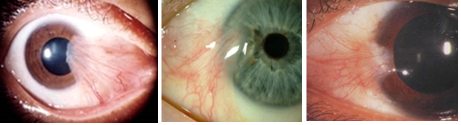
Should I have it removed?
If your eye often becomes red and sore in that area or often feels like there is a foreign body in it, then surgery may be recommended. If a pterygium is quite large, it can start to affect the vision by distorting the cornea, and surgery can be helpful. Surgery has its own risks so we don’t tend to operate just because someone doesn’t like the look of his or her eye.
How is it removed?
In the operating theatre your face is covered with a sterile drape and the eye is held open with a clip. Local anaesthetic makes the operation painless. The pterygium is peeled off and a small conjunctival graft taken from under the upper lid is glued into the space that has been left by its removal. The graft is important to stop the pterygium growing back. The operation takes 30 - 60 minutes.
The potential risks of the operation
In most cases (more than 90%) the operation is successful. The main risk is of the pterygium growing back again, and rarely it can be worse than before. A very bad recurrence can affect the vision, and very rarely give double vision.
The risk of a recurrence is about 1 in 20 or 5%. The risk of a bad recurrence is less than 1%. A recurrent pterygium can be removed, but it is more difficult.
After the operation
The eye will be sore and in the immediate postoperative period, especially the first 48 hours. The patch can be removed after about 4 hours, but if you prefer to keep it on for the first night that is fine. We advise taking paracetamol tablets every 6 hours in the first 2 days. You may be discharged after surgery or there may be a follow-up appointment in clinic after 2 - 4 weeks.
You will be given a bottle of eye drops to take approximately 3 times a day for about 6 weeks. It is very important not to run out of the eye drops.
What can I expect the eye to look like?
It will look even more red than usual for the first week or two. Then it will gradually start to improve. After 3 months it will look like a normal healthy eye.
Contact us
If you have any queries relating to this information, please contact the Ophthalmology service.
About this information
Service:
Ophthalmology
Reference:
QQ/042
Approval date:
5 May 2025
Review date:
1 May 2028
Click ‘show accessibility tools’ at the bottom of the page

Then click ‘select language’

Alternative formats
You can use the accessibility toolbar at the bottom of your screen to:
-
Change the text size
-
Adjust the font
-
Modify the colour contrast
-
Use the translate function
If you would like this information in another format, such as Braille, audio, or easy read, please speak to a member of staff.
You can also print as well as download as PDF using the “Print this page” button at the end of the page.
Staff will print a copy for you on request
Important note
This page provides general information only. It is developed by clinical staff and is reviewed regularly every 3 years for accuracy. For personal advice about your health, or if you have any concerns, please speak to your doctor.