

Advice after your nerve block for surgery
On this page…
What is the glycaemic index and why is it good to be aware of it?
The glycaemic index (GI) is a way to rank foods based on how quickly a food will raise blood glucose levels after consumption.
It is good to be aware of the GI of the foods you are eating as it can impact post meal glucose rises.
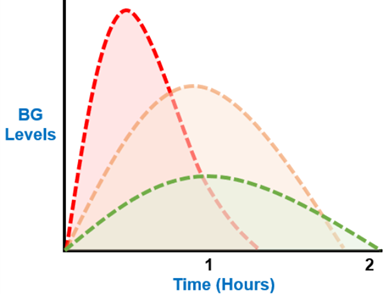
Foods with high GI are digested quickly and therefore lead to a quick, sharp rise in BG levels.
Foods with medium GI lead to slightly faster and a higher rise in BG levels compared to low GI foods.
Foods with low GI are digested slowly and lead to a gradual, steady rise in BG levels.
Eating low GI foods as part of your meals and snacks can help reduce the rise in blood sugar after eating. This can help with managing diabetes and some other health conditions.
What affects a food’s GI?
A food’s GI can change depending on:
- How much wholegrain or fibre it contains
- The type of sugar it has
- Whether it also has fat, protein or acid (like vinegar)
- How much the food has been processed or how ripe it is
- The cooking method (such as frying, boiling, or baking)
- Whether the food is eaten hot or cold – some foods have a lower GI once cooked and cooled, like potato, rice and pasta
Portion size still matters
The amount of carbohydrate you eat has the biggest effect on your blood sugar. So, it’s important to be aware of portion sizes, even when choosing low GI foods.
Are high GI foods unhealthy?
Not necessarily, for example, potato crisps have a medium GI whilst baked potatoes have a high GI. However, a baked potato is usually healthier than crisps because it’s lower in fat and salt. Similarly, some low GI foods like chocolate and ice cream aren’t always the healthiest choices. The key is to use GI alongside balanced eating.
Practical tips for meal and snack planning
The GI (Glycaemic Index) shows how single foods affect blood glucose (BG) levels. But most of the time, we eat foods mixed, so it’s important to think about the whole meal or snack. Here are some simple tips:
- Watch your portion sizes:
- Carbohydrates (carbs) have the biggest effect on BG levels. Meals that are mostly carbs, or have large portions of carbs, can raise BG levels for longer. Try to have a balanced plate with the right amount of carbs, plus some protein and vegetables.
- Eat carbs with lean protein and healthy fats:
- This can slow down how fast carbs enter your blood, helping prevent sharp rises in BG. Good protein and fat sources include beans, lentils, fish, and chicken.
- Choose whole foods:
- Pick fresh, unprocessed foods like fruit and vegetables. These give your body important nutrients and usually have a gentler effect on BG levels.
- Go for high fibre grains:
- Try whole grains such as brown rice, barley, quinoa, or wholewheat pasta. Fibre helps keep BG levels steadier and supports healthy digestion.
- Avoid added sugars:
- Try to choose foods and drinks without added sugar. Many packaged products contain hidden sugars that can make BG levels rise quickly.
- Limit processed and refined carbs:
- Foods like white bread, sugary snacks, and many packaged foods can raise BG levels very quickly. Try choosing wholegrain or less processed carb options instead.
Food Type |
Low GI foods (less than 55) |
Medium GI foods (55-70) |
High GI foods (greater than 70) |
|
Bread, biscuits & crackers |
|
|
|
|
Rice, pasta and grains |
|
|
|
|
Cereals |
|
Oatibix,
|
|
|
Potatoes Roots Tubers |
|
|
|
|
Vegetables & Pulses |
|
|
|
|
Desserts & Confectionary |
|
|
|
|
Sugars
|
|
|
|
|
Drinks |
|
|
|
|
Milk & Dairy
|
|
|
|
Lower GI Meal Ideas
Breakfasts
- Porridge (rolled oats) with fresh or frozen berries and a spoonful of nuts or seeds
- 1–2 slices wholegrain or seeded bread with eggs and avocado
- Plain Greek yogurt with sliced fruit such as pear or berries, sprinkle a small handful of oats or nuts for crunch
Lunches
- Baked beans on toast with a small amount of reduced-fat cheese
- Lentil or Bean Soup (homemade or low salt shop bought), serve with wholemeal or rye bread
- Wholemeal pitta bread, with hummus, salad fillings: tomato, cucumber, peppers, spinach
- Wholemeal pasta cooked and cooled (lowers GI), with mixed vegetables and beans (e.g., chickpeas) and an olive oil and vinegar dressing
Main Meals
- Grilled or baked chicken, baked sweet potato and steamed vegetables
- Mixed vegetables + tofu, chicken, or prawns, serve with brown rice, light soy or ginger sauce
- Baked salmon fillet with quinoa (low GI, high fibre), side salad or steamed greens
- Vegetable/lentil lasagne with side salad or steamed greens
Snacks
- Fruit
- Diet yoghurt
- Nuts (small handful)
- Veg sticks and hummus
Contact us
If you have any queries relating to this information, please contact the Dietetics service.
About this information
Service:
Dietetics
Reference:
DT/030
Approval date:
22 May 2026
Review date:
1 May 2029
Click ‘show accessibility tools’ at the bottom of the page

Then click ‘select language’

Alternative formats
You can use the accessibility toolbar at the bottom of your screen to:
-
Change the text size
-
Adjust the font
-
Modify the colour contrast
-
Use the translate function
If you would like this information in another format, such as Braille, audio, or easy read, please speak to a member of staff.
You can also print as well as download as PDF using the “Print this page” button at the end of the page.
Staff will print a copy for you on request
Important note
This page provides general information only. It is developed by clinical staff and is reviewed regularly every 3 years for accuracy. For personal advice about your health, or if you have any concerns, please speak to your doctor.