

Advice after your nerve block for surgery
On this page…
What is VAC Therapy?
This is a closed system that can be used on a variety of acute and chronic wounds. VAC is short for vacuum assisted closure.
VAC therapy uses a vacuum, or negative pressure, which not only facilitates wound healing but also
• removes excess fluid
• removes infectious material
• maintains a moist environment
• promotes new skin
• cleans the wound from the inside out, making the wound smaller as it heals
How does it work?
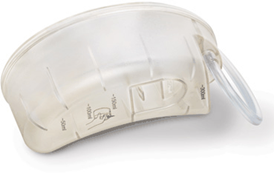
A sponge (granufoam) is applied over the wound bed Secured around the edges and attached to the suction pump.
This increases the blood flow around the area, allowing the wound to heal at a faster rate than normal.
The pump is attached to a small canister which collects any debris, excess blood, or serous fluid within the cavity.
This allows the wound to granulate and heal from the base up to the surface of the wound bed.
Is it safe?
Yes, this is a very safe and effective procedure.
Is it painful?
You may experience some discomfort when the dressing is changed, and the therapy begins.
The Nurse will make sure you are given sufficient pain relief on the ward before the application; this discomfort should not last long after the therapy is started.
Everyone has a different pain threshold, so it will not be the same for all patients.
If you are attending the clinic for a vac change, we advise you to take some painkillers before you arrive for the appointment
Are there any alternatives?
VAC therapy is not always considered a suitable option for all, sometimes conventional management with dressings may be more appropriate.
This can be discussed in more detail with the doctor or the practitioner managing your wound.
How often will the dressing be changed?
The VAC dressing should be changed every 48-72 hours, and no less than 2 times a week for infected wounds.
VAC pumps can be used over flaps and skin grafts, if this is the case, the dressing may be left for 5-7 days.

How many hours should the VAC stay on?
The VAC pump works continuously for 24 hours a day. If the system is off for more than 2 hours, the granufoam (sponge) must be removed and changed, due to high risk of infection and wound breakdown.
If you are at home, please contact your community nurses and inform them of this.
VAC settings
The VAC setting will be decided by the doctor or the clinical nurse specialist applying the dressing
This will depend upon the individual assessment of the patient and the type of wound.
The two settings will be
• continuous
• intermittent
Tips for daily use
- We recommend you remain on VAC therapy continuously until stated otherwise
- The battery on the pump will last for 8 hours
- Keep the machine charged
- Do not take the machine in the bath or shower
- Full canister indicates that a new one is needed
- The canister should be checked every 4-6 hrs. and the contents recorded on a VAC drainage chart if you are in hospital
- If there is any excessive exudate or blood loss in the canister the VAC must be stopped immediately and
- You should inform the doctor or the specialist nurse, so they can re-assess your wound; or
- If you are at home with a pump, please contact your GP (General Practitioner) or district nurses.
What happens if the alarms go off?
The vac system has both visual and audible alarms.
For your safety, the system will alarm for the following reasons:
• Canister full
• Tube blocked
• There is a break in the seal of the wound
When not to use VAC therapy
• cancer diagnosis
• untreated deep bone infection(osteomyelitis)
• Eschar and dead hard tissue
• fistula (abnormal passage between two organs)
• Exposed abdomen and bowel
How long will I need the pump?
The team will decide how long you will need this therapy. We will monitor the progress of your wound at each dressing change and advise you accordingly.
Can I go home with the pump?
The clear goal of this therapy is to promote independence and mobility within your own home (keeping you out of hospital).
However, this may not always be possible. Some of the contributing factors associated within the decision-making process may include:
• clinical diagnosis
• age
• medication
• type and location of wound
• resources available
• management and funding of therapy within the community services
• You live within the catchment area
• frequency of change
Leak within the closed system
You may hear a hissing noise from the dressing, often the leak is around the tubing, use a piece of extra drape to stop the leak.
Battery low or dead
Recharge battery by plugging into the mains; the battery lasts for 8 hours.
Therapy not activated
Check the on/off button. If this does not work, call your community/ tissue viability nurse at your GP surgery or ring the customer care helpline number below
Contact details
Solventum customer Services help line 0800 980 8880
Solventum Rep Chalvin Mutongole 07816 095980
Kamal Paul Clinical lead nurse in Breast and Plastic Surgery 0300 615 3031 / 0300 615 3127
Claire Grande Trauma Coordinator plastic surgery 0300 96153031
Tissue Viability Nurses Wexham Park Hospital: 0300 6136159
Mobile 07827 283236
Contact us
If you have any queries relating to this information, please contact the Plastic surgery service.
About this information
Service:
Plastic surgery
Reference:
T/025
Approval date:
27 February 2026
Review date:
1 February 2029
Click ‘show accessibility tools’ at the bottom of the page

Then click ‘select language’

Alternative formats
You can use the accessibility toolbar at the bottom of your screen to:
-
Change the text size
-
Adjust the font
-
Modify the colour contrast
-
Use the translate function
If you would like this information in another format, such as Braille, audio, or easy read, please speak to a member of staff.
You can also print as well as download as PDF using the “Print this page” button at the end of the page.
Staff will print a copy for you on request
Important note
This page provides general information only. It is developed by clinical staff and is reviewed regularly every 3 years for accuracy. For personal advice about your health, or if you have any concerns, please speak to your doctor.