

Advice after your nerve block for surgery
On this page…
Introduction
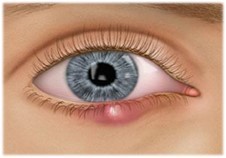
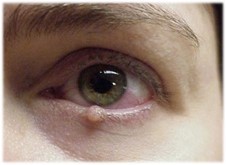
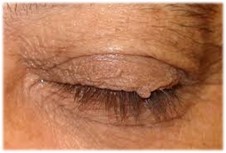
A minor procedure on your eyelid usually refers to a small lump or bump which can be removed safely in the treatment room by an eye doctor. This includes removal of eyelid cysts, moles, skin tags and small biopsies.
Before the procedure
Your eye doctor will examine the lump and explain the diagnosis. When the diagnosis is uncertain or confirmation is needed, a biopsy is performed as a minor procedure to establish the diagnosis. The specimen is processed in a laboratory to obtain a result.
What happens on the day?
This is day surgery, so you will be able to go home the same day. You cannot drive home after your operation, so any necessary arrangements should be made in advance.
Anaesthetic eye drops are used to numb the surface of the eye. The area is cleaned. The surgery will be performed under local anaesthetic (injections are given to numb the skin, but you are awake). For most minor procedures, stitches are not required. If stitches are required, these are usually dissolvable.
Antibiotic ointment is applied to the eye at the end of the procedure. The eye is padded until the next morning.
After the surgery
- You can remove the eye pad yourself at home. There is likely to be some dried blood when you remove your pad which you should clean gently from your eye, using cooled boiled water.
- Ice packs should be applied for 24 - 48 hours intermittently after you have removed your eye pad.
- You will be given antibiotic ointment to apply 4 times a day. It is best not to drive for a few days after surgery as your vision is likely to be blurred.
- You should avoid excessive physical activity for about a week. If there is any pain, you can take paracetamol.
- Your eyelids will be bruised and swollen for about a week. It may take longer than this for things to settle down completely. You may also have a foreign body sensation in the eye for a few days.
- You will be advised by your doctor if you require a follow-up appointment.
If you have any unexpected problems after the surgery, you should contact one of the following numbers for further advice:
| From 9am to 5pm Monday to Friday: | |
| From 5pm to 9am and at weekends: |
0300 614 5000 and ask for the eye doctor on call |
Contact us
If you have any queries relating to this information, please contact the Ophthalmology service.
About this information
Service:
Ophthalmology
Reference:
QQ/039
Approval date:
5 August 2024
Review date:
1 July 2027
Click ‘show accessibility tools’ at the bottom of the page

Then click ‘select language’

Alternative formats
You can use the accessibility toolbar at the bottom of your screen to:
-
Change the text size
-
Adjust the font
-
Modify the colour contrast
-
Use the translate function
If you would like this information in another format, such as Braille, audio, or easy read, please speak to a member of staff.
You can also print as well as download as PDF using the “Print this page” button at the end of the page.
Staff will print a copy for you on request
Important note
This page provides general information only. It is developed by clinical staff and is reviewed regularly every 3 years for accuracy. For personal advice about your health, or if you have any concerns, please speak to your doctor.