

Advice after your nerve block for surgery
On this page…
Introduction
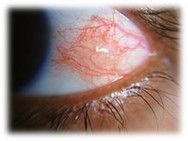
Episcleritis is a fairly common, generally mild condition with no serious consequences. It affects the episclera; the layer of the eye’s surface between the clear surface covering of the eye (the conjunctiva) and the white of the eye (the sclera). It often comes on quickly, and causes redness, frequently in a wedge shape, and inflammation of the eye.
It can affect one or sometimes both eyes. Common symptoms include mild irritation, discomfort, grittiness or watering of the eye. It can be recurrent. It is different to the much less common but more serious condition called scleritis, which can initially look similar but behaves very differently. Scleritis usually causes significant pain and can affect eyesight.
What causes episcleritis?
Episcleritis is an inflammatory condition, but the cause of the inflammation is mostly unknown. Very occasionally, the condition can be linked with an underlying inflammatory condition. Sometimes if the condition is severe or recurrent, we might do some blood tests to look for an underlying cause.
What is the treatment for episcleritis?
The condition will generally settle by itself, and often no treatment is necessary. Commonly artificial tears might be used to help relieve any discomfort or gritty sensation.
If the condition is more severe or more symptomatic, we may give a short course of non-steroidal anti-inflammatory medication as eye drops or as tablets. If this isn’t enough, we may give a short course of steroid eye drops to help it clear up.
What long-term outlook?
Episcleritis generally does not lead to any complications or long-term issues. It should not affect your eyesight and it usually settles in a couple of weeks. There is nothing you can do to directly prevent it from happening.
When should I seek help?
If you have increasing pain or your eyesight becomes affected, contact the staff in the eye treatment centre on the following telephone numbers
| From 9am to 5pm Monday to Friday | 0300 373 5884 |
| From 5pm to 9am and at weekends: | 0300 614 5000 and ask for the Eye Doctor on call |
Contact us
If you have any queries relating to this information, please contact the Ophthalmology service.
About this information
Service:
Ophthalmology
Reference:
QQ/051
Approval date:
5 August 2024
Review date:
1 July 2027
Click ‘show accessibility tools’ at the bottom of the page

Then click ‘select language’

Alternative formats
You can use the accessibility toolbar at the bottom of your screen to:
-
Change the text size
-
Adjust the font
-
Modify the colour contrast
-
Use the translate function
If you would like this information in another format, such as Braille, audio, or easy read, please speak to a member of staff.
You can also print as well as download as PDF using the “Print this page” button at the end of the page.
Staff will print a copy for you on request
Important note
This page provides general information only. It is developed by clinical staff and is reviewed regularly every 3 years for accuracy. For personal advice about your health, or if you have any concerns, please speak to your doctor.