

Advice after your nerve block for surgery
On this page…
What do I do if I fall?
- Rest and recover - don't panic, assess the situation
| Am I hurt? | ||
| YES | NO | |
|
Follow the comfort plan below: 1. Attract attention 2. Keep warm 3. Get comfortable 4. Keep moving |
Can I get up from the floor? | |
| YES | NO | |
| Use the easiest method for you (shown in this Page) |
Follow the comfort plan below: 1. Attract attention 2. Keep warm 3. Get comfortable 4. Keep moving |
|
Always inform GP or health professional of any fall
Method 1 (for below knee or through knee amputees):
1. Stay calm, get your breath back and assess the situation, follow the flow plan on the above sheet.
2. Roll onto your side.
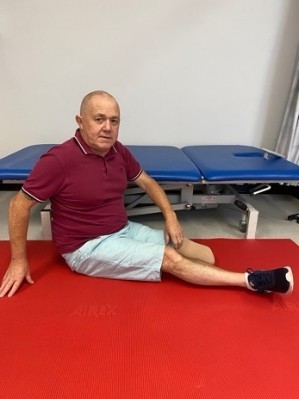
3. Pushing with your arms, turn onto all fours
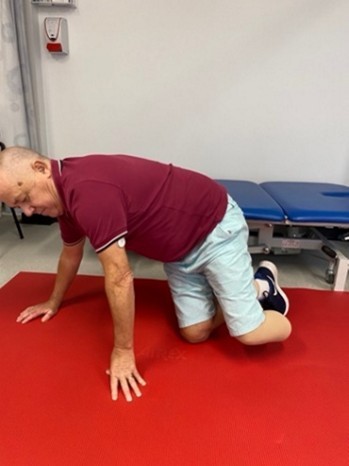
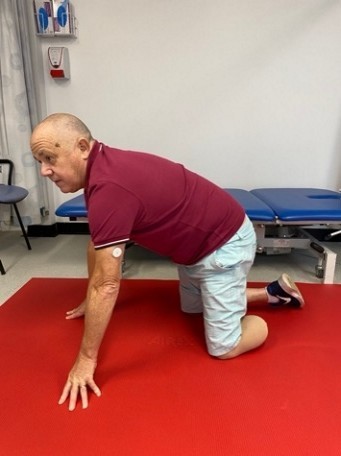
4. Crawl to the nearest sturdy furniture e.g. sofa, chair, step
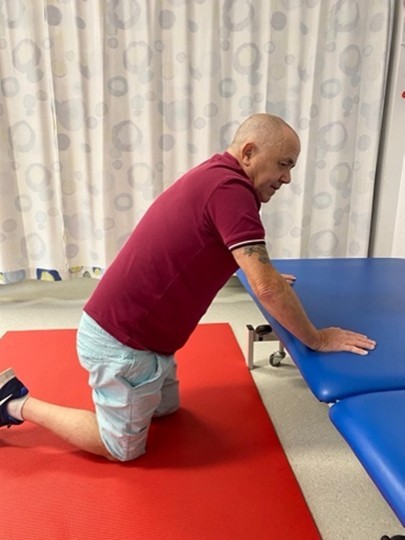
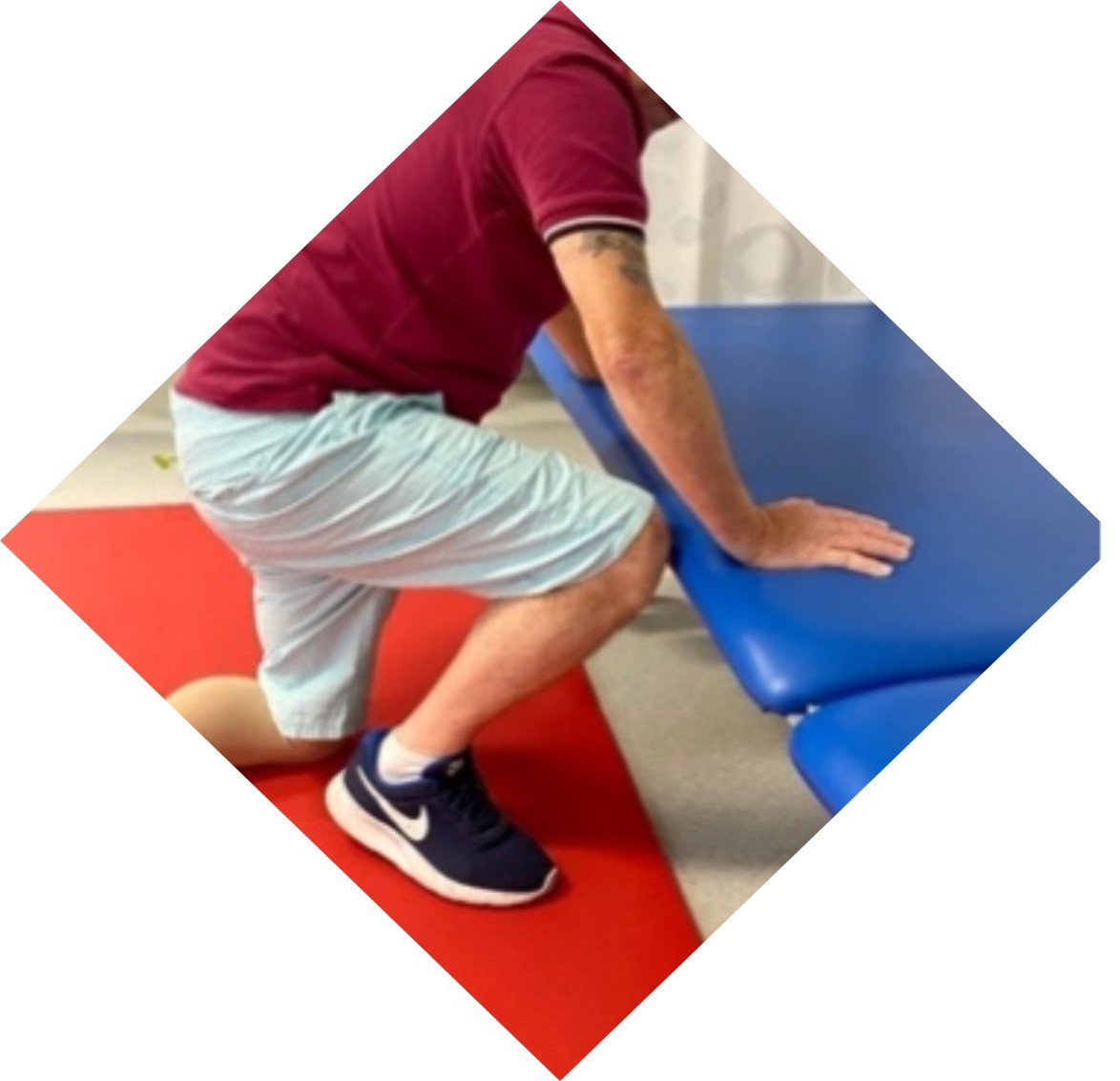
5. From a kneeling position bring your remaining leg through to place your foot on the floor
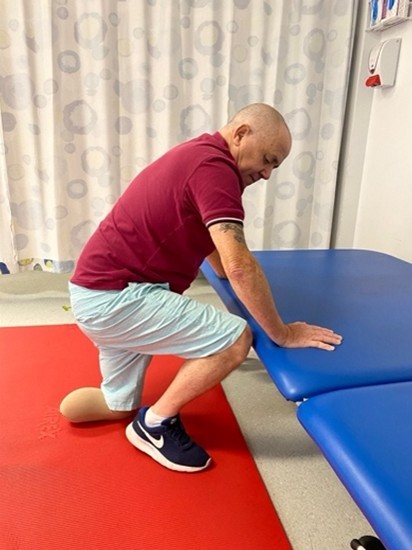
6. With your arms and remaining leg, push into a standing position
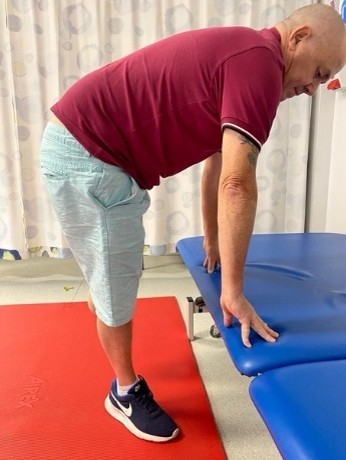
7. Pivot on your remaining leg to sit down
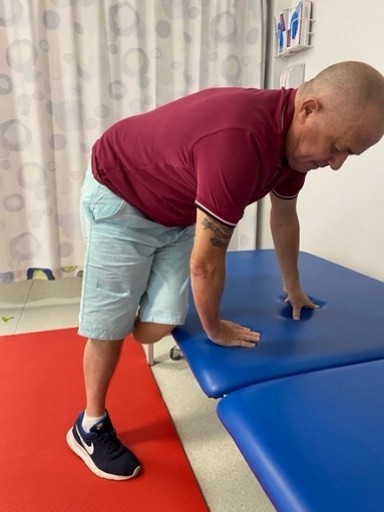
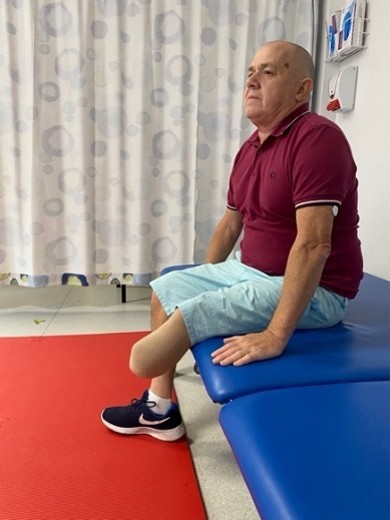
8. Rest and recover
ALWAYS INFORM YOUR GP OR HEALTH PROFESSIONAL OF ANY FALL
Method 2 (for all lower limb amputees):
1. Stay calm, get your breath back and assess the situation, follow the flow plan on the above sheet.
2. Sit on the floor, then shuffle on your bottom to a step, low bed or sofa (you may want to pull cushions from sofa onto the floor to act as a step).
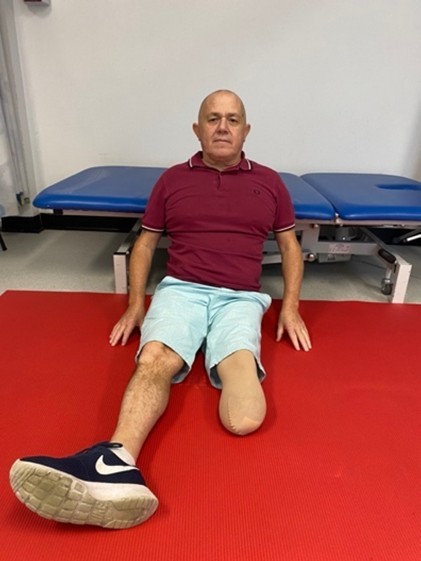
3. Place your hands or elbows onto the step and bend your knee to place your remaining foot on the floor. Push through your arms and remaining leg to lift yourself onto the step.
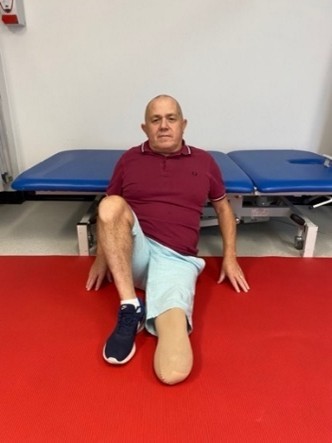
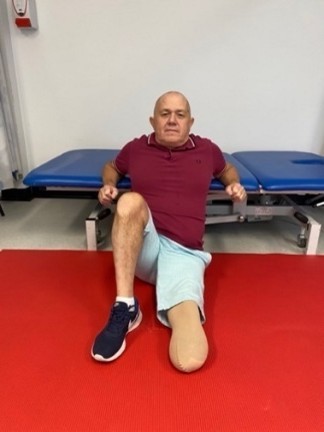
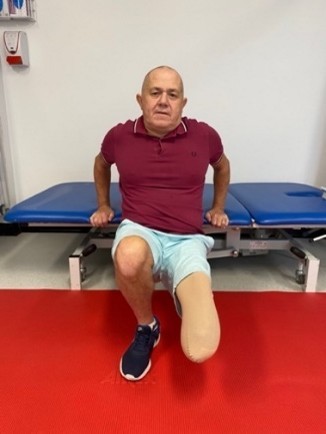
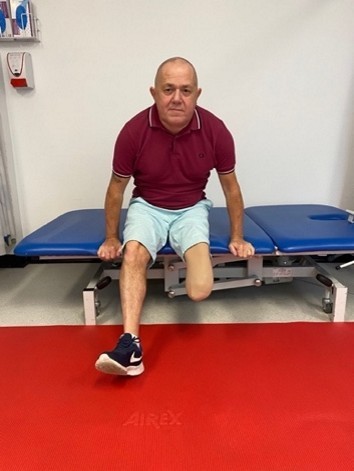
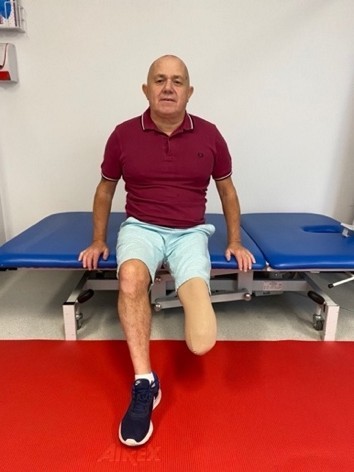
ALWAYS INFORM YOUR GP OR HEALTH PROFESSIONAL OF ANY FALL
General advice
If you notice problems e.g. damage to your skin, pain in a joint- make an appointment to see your GP.
If your fall has affected your walking - make an appointment to see your GP. Contact your prosthetist so your artificial limb can be checked if necessary.
Be aware of phantom sensation in your limb before you transfer, especially at night to avoid falls.
General Health
- Make sure your medications are regularly checked.
- If you have high blood pressure, get it regularly checked by your GP.
- Make sure you are hydrated - you should drink six cups of liquid a day.
- Make sure you eat a healthy balanced diet.
- Limit your alcohol intake.
- Keep an active healthy lifestyle - inactivity leads to weak muscles and poor balance.
- Make sure your eyes are regularly tested and you are wearing appropriate glasses as prescribed.
Home Environment
Make sure your home environment has appropriate lighting, no loose rugs/carpets, no uneven or wet flooring and not too much clutter that could be a trip hazard.
Place regularly used items in an easy to reach location.
Making sure you don’t rush – especially to the toilet or at night
Wheelchair/Walking aid use
Ensure your brakes are on before transferring.
Make sure you are wearing appropriate footwear.
Contact us
If you have any queries relating to this information, please contact the Physiotherapy service.
About this information
Service:
Physiotherapy
Reference:
BB/103
Approval date:
10 January 2025
Review date:
10 January 2028
Click ‘show accessibility tools’ at the bottom of the page

Then click ‘select language’

Alternative formats
You can use the accessibility toolbar at the bottom of your screen to:
-
Change the text size
-
Adjust the font
-
Modify the colour contrast
-
Use the translate function
If you would like this information in another format, such as Braille, audio, or easy read, please speak to a member of staff.
You can also print as well as download as PDF using the “Print this page” button at the end of the page.
Staff will print a copy for you on request
Important note
This page provides general information only. It is developed by clinical staff and is reviewed regularly every 3 years for accuracy. For personal advice about your health, or if you have any concerns, please speak to your doctor.