

Advice after your nerve block for surgery
On this page…
Newly Formed Stoma
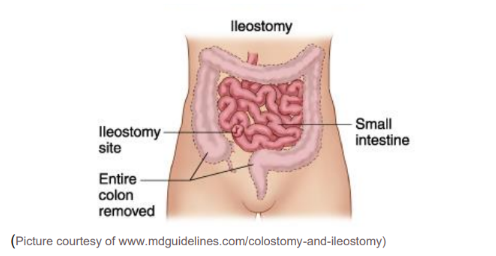
An ileostomy is a stoma created from the small bowel. The stoma output varies and is very individual. Some newly formed stomas may initially be quite watery and windy and may take up to 6 weeks to settle. During this time, try avoiding irritant foods such as high fibre and spicy foods. Gradually your bowel will adapt, and your stoma output will begin to thicken.
Stoma Output Consistency
Ideal consistency should be a paste/porridge type consistency, but this can vary during the day depending on what you have eaten and the position of the ileostomy.
Stoma Obstruction and Blockages
If your ileostomy is functioning differently, significantly slowed or reduced or you have bloating, abdominal pain, cramps, nausea or vomiting you may have an obstruction.
A stoma obstruction can occur at any time and is more commonly caused by a food bolus or undigested food. Other reasons include inflammation, swelling or narrowing or a twist in the intestine.
It is recommended within the first 6-8 weeks to avoid high fibrous foods and to be aware of foods which can increase risk for blockage. Remember to chew your food well and take your time to eat meals.
Be cautious with the following fibrous foods which can increase risk of obstruction:
- Celery
- Rhubarb
- Asparagus
- Dried fruit
- Mushrooms
- Nuts, pips, large seeds and popcorn
- Pineapple
- Sweetcorn
- Peas
- Coconut (dried and desiccated)
- Pith of citrus fruit
- Skins of fruit and vegetables
Low Fibre Diet
When your stoma output is loose and watery, you have extra fluid and electrolyte losses. It may then be recommended that you follow a low fibre diet to help thicken your stoma output and to reduce losses. Fibre comes from plant-based food and passes through your digestive system undigested. Lowering your fibre intake will help slow down how rapidly food moves through your intestines thus allowing for better absorption of nutrients. Avoiding insoluble fibre can help reduce risk of increased stoma
output, obstruction, bloating and abdominal pain.
Reduce fibrous foods and fluids which can increase your stoma output:
- Reduce whole-wheat and wholegrain products
- Avoid raw vegetables e.g. salad
- Avoid beans, lentils and nuts
- Peel the skin of fruit and vegetables
- Limit caffeine containing drinks (e.g. tea, coffee, cola) and alcohol
- Limit fresh fruit juice
- Caution with spicy food
Foods which can assist in thickening your output:
- Low fibre carbohydrates such as white bread, pasta, rice, crackers, mash potato
- Low fibre cereals such as cornflakes, rice Krispies
- Bananas, apple sauce, yoghurt and peanut butter
- Foods that contain gelatine e.g. marshmallows, jelly babies, jelly
| Food | Low fibre food | Foods higher in fibre |
| Protein foods |
|
|
| Starchy Foods/ Cereals |
|
|
| Nuts and seeds |
|
|
| Dairy |
|
Yoghurts or cheeses containing nuts, fruits, cereals or dried fruit |
| Vegetables | Flesh only, cooked, without skins, seeds and pips Carrots, swede, parsnips, pumpkin, aubergine, beetroot, courgette, spinach (cooked), mange-tout, beetroot, asparagus, tinned tomatoes, marrow, tomato, cucumber, peppers, butternut squash |
|
| Fruit |
|
|
| Desserts/sweets |
|
|
| Beverages |
|
|
| Miscellaneous |
|
|
Fibre re-introduction
Once your stoma is beginning to settle, re-introduce a variety of foods. The aim is to get back to eating a balanced, varied diet with five portions of fruit and vegetables, so do not avoid foods unnecessarily. It is important to increase the amount of fibre gradually to allow your digestive system time to adjust. Initially this may be a trial period of adjusting your diet to see what works best for you and your stoma output.
Everyone’s stoma and tolerance is different so it’s important to find the right balance for you. Try to develop a regular eating pattern. Eating smaller, more frequent meals may be better tolerated.
If you find that fruit and vegetables cause your stoma output to become watery then the following tips may be useful:
- Peel and discard any skins
- Try using tinned fruit
- Stewed or baked fruit may be better tolerated
- Try well-cooked or pureed vegetables
Early signs of dehydration
You need to drink a minimum of 8 glasses of fluid per day, but you may need more or replace some fluid with oral rehydration solution to maintain hydration. A watery stoma can increase your electrolyte and fluid losses resulting in dehydration. You can discuss your fluid management plan with your GP or stoma nurse.
Early signs of dehydration include:
- Feeling thirsty
- Dark yellow and strong-smelling urine (pee)
- Feeling dizzy or lightheaded
- Feeling tired
- Dry mouth, lips and eyes
- Peeing little and less than 4 times a day
Fluid Restriction and Replacement
If you are having a high watery stoma output (more than 1500ml in a 24-hour
period) it would be considered a high stoma output. As a result you may be asked to do the following:
- • Follow a fluid restriction. Your fluid restriction includes all drinks e.g. tea coffee, water, fruit juice, alcohol. It also includes liquid foods such as soup, custard, gravy, ice cream, jelly and yoghurt.
- Your fluid restriction is …………… per day
- If you are dehydrated, you may need to drink one of the following salty solutions (oral rehydration solutions) in addition to your fluid restriction to make you feel better:
Double strength Dioralyte: 1 sachet of Dioralyte to 100ml of water (Aim to drink ……..ml of diarolyte daily. To make this use ……. sachets of Diarolyte in …... ml water.
OR
St marks Solution:
1 litre water
6 heaped teaspoons (30g) of glucose
1 level teaspoon (5g) of salt
Half-heaped teaspoon (2.5g) of sodium bicarbonate
- Try to drink the oral rehydration solutions throughout the day. They may be more palatable if they are cold so keep in the fridge, or by adding a small amount of cordial or squash.
- Avoid fluids around mealtimes
- Take anti-diarrhoeal medication 30-60 minutes before meals and at night as prescribed
Flatulence
The tips below can help to reduce wind production, if you experience wind
which causes you discomfort:
- Eat in a relaxed environment
- Avoid long periods without food
- Chew your food well
- Avoid chewing gum
- Avoid fizzy drinks or pour them into a glass, stirring and leaving to stand for a few minutes before drinking
- Avoid drinking with a straw
- Avoid talking whilst eating
- Avoid tight fitting clothes
- Limit alcohol
- Peppermint tea or fennel may be soothing
Some foods can increase wind passed by your stoma. If you are experiencing lots of flatulence then try reducing your intake of, cabbage, Brussel sprouts, cauliflower, broccoli, beans and lentils, onions, garlic, mushrooms, eggs, nuts and fatty foods.
Odours/Smell
If your stoma output smells offensive and is causing you concern, you could consider reducing odour producing foods, such as:
- Eggs
- Garlic and onion
- Cauliflower, Broccoli, Cabbage, Brussel sprouts
- Beans
- Certain spices
Talk to your stoma nurse for advice on using vanilla essence and deodorant powders.
Low-fibre meal suggestions
Breakfast
- Cornflakes/Rice Krispies and milk
- Boiled, scrambled or poached egg with white toast/bread
- White bread and seedless jam, honey, smooth nut butter
- Oats porridge made with milk
Lunch/Dinner
- White bread sandwich/roll with filling (Egg, Tuna, Ham, Cheese, Chicken, Roast Beef)
- Baked potato (without skin) with filling
- Any protein source—meat, chicken, fish, cheese, egg with a starchy food—pasta, potato, rice, bread/rolls/naan/pita bread/wraps, examples include:
- spaghetti and mince
- macaroni and cheese
- omelette
- chicken/beef/lamb stew and rice
- soft fish with potato
- burgers with white bread roll.
Dessert
- Jelly
- Custard
- Ice cream
- Mousses
- Milk pudding
- Crème caramel
- -Rice pudding
- Sponge cake
Snack suggestions
- Yoghurts
- Milky puddings
- Cheese and biscuits
- Plain biscuits
- Crisps
- Milky drinks
- Chocolate
- Banana
Tips for Poor Appetite
If your appetite is poor or you simply cannot eat as much as you used to, then the following ideas may be useful:
- Eat little and often, aiming for five to six small meals and snacks a day
- Avoid skipping meals, if you can’t manage a meal then try a milk drink
- Drinking fluids at mealtimes can make you feel full quickly, try to have drinks between meals
- Keep snacks close by or out on a table to encourage you to eat little and often
- Try a pudding once or twice a day e.g. milky pudding, cake, trifle, full fat yoghurt
- Keep snacks handy and ready to eat
- Get out if you can - fresh air can help stimulate your appetite
- Eating in a well-ventilated room can also help
- Eat anything you particularly fancy
- If your appetite is better at certain times of the day, aim to eat more at these times
- Aim for full fat options i.e. full fat milk, yoghurts
- Fortify food and drinks to increase their energy andprotein. Add a teaspoon or more of butter, double cream, cheese, mayonnaise, dressings and sugar to meals and snacks.
- Use fortified milk for drinks and meals
Fortified Milk Recipe: (whisk together)
- 4 tablespoons of dried whole milk powder
- One pint of full fat milk
Use this enriched milk in place of ordinary milk e.g. to make sauces, in drinks, soups, and milky puddings.
High Energy Snack Ideas
- Cheese or pate and crackers
- Toast with butter, smooth peanut butter, chocolate spread
- Bowl of cereal with milk or fortified milk and sugar
- Mini pork pies, sausage rolls, scotch eggs, samosas, mini quiche, cocktail sausages
- Sandwiches
- Bowl of creamy soup (for example, chicken, tomato)
- Croissants filled with ham and cheese
- Crisps, Bread sticks and dips
- Houmous, Cream cheese
- Crumpets with cheese, smooth peanut butter, or jam
- Chocolate croissants and pain-au-chocolate
- Milk puddings – rice pudding, semolina, tapioca, custard, crème caramel, mousse
- Cakes and Muffins
- Cheesecake, or gateaux with cream or ice cream
- Thick and creamy yoghurt e.g. Greek yoghurt, thick n’ creamy
- Snack size chocolate bar
- Milkshakes and ready-made milky drinks
- Desserts; Ice cream, Instant pudding e.g. Angel Delight, Sponge and custard
Contact us
If you have any queries relating to this information, please contact the Dietetics service.
About this information
Service:
Dietetics
Reference:
DT/064
Approval date:
27 March 2026
Review date:
1 March 2029
Click ‘show accessibility tools’ at the bottom of the page

Then click ‘select language’

Alternative formats
You can use the accessibility toolbar at the bottom of your screen to:
-
Change the text size
-
Adjust the font
-
Modify the colour contrast
-
Use the translate function
If you would like this information in another format, such as Braille, audio, or easy read, please speak to a member of staff.
You can also print as well as download as PDF using the “Print this page” button at the end of the page.
Staff will print a copy for you on request
Important note
This page provides general information only. It is developed by clinical staff and is reviewed regularly every 3 years for accuracy. For personal advice about your health, or if you have any concerns, please speak to your doctor.