

Advice after your nerve block for surgery
On this page…
Introduction
This advice sheet provides information on how to adopt good dietary habits. Further information can be provided at a dietetic appointment, where you can receive more tailored advice to your lifestyle.
Eating well is one way to keep your heart healthy. It is not all about cutting down on foods, it can sometimes mean eating more of some foods.
Healthy Meal
A healthy balanced meal includes more starch and vegetables with less meat.
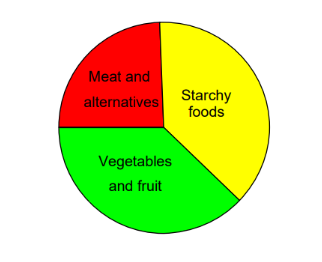
Examples of foods to eat more of are shown on the following pages, as well as those to eat in moderation.
Foods to Eat More Of
Starchy Foods
Bread, rice, potatoes, pasta, breakfast cereals and chapattis should form the main part of each meal and providing you do not add extra fats or oils, are not high in calories. Choose wholegrain varieties to increase your fibre intake. This can help to keep your digestive system healthy.
Fish, Especially Oily Types
Fish is a good source of protein, and all types are relatively low in fat (unless fried in fat). Try to eat a variety of fish, especially oily fish such as herring, salmon, mackerel, pilchards and sardines, as these contain fats which have been shown to protect against heart disease. Try to eat a fish dish twice each week, aiming to incorporate oily fish in at least one of these dishes.
Fruit and Vegetables
Include plenty of fresh, frozen or canned fruit and vegetables in your diet, aiming for five servings each day. These contain important vitamins and nutrients which help to protect your heart against disease. A small glass of unsweetened 100% fruit juice will count as one of your five-a-day.
Foods to Eat in Moderation
Milk and Dairy Products
It is important to include some milk, cheese and yoghurts in your diet as these are good sources of calcium. However, these can be high in fat (especially cheese), so try to choose lower fat varieties e.g. semi or skimmed milk, reduced fat cheese, cottage cheese or low-fat yoghurts, limit cream to
an occasional treat. To meet your daily calcium needs aim for one pint of skimmed/semi-skimmed milk or:
- ⅓ pint of skimmed/semi-skimmed milk
- 1 small pot of low fat and low sugar yogurt
- a match box size of reduced fat cheese (30g)
Meat and Alternatives
Meats, poultry, fish, nuts, beans and pulses contain protein. Red meats such as beef, lamb and pork are rich in iron which helps to prevent anaemia. Buy the leanest cut of meat that you can afford and trim off visible fat. Chicken and turkey are ideal when the skin has been removed. Meat pies, pasties, sausages and burgers tend to be high in fat and should be limited. Try to
steam, bake or grill meat and fish instead of frying.
Pulses (e.g. beans, peas, lentils) are a good source of protein and fibre. They have the benefit of releasing energy slowly and contain a fibre that can help to lower your cholesterol. Nuts are also a good source of protein, but they tend to be high in fat and calories, so a handful is an ideal portion size.
Salt
Aim for <6g per day (one level teaspoon) but remember, a large proportion of this already comes from processed or convenience foods. Too much salt can contribute to high blood pressure. Try not to add extra salt to cooking or at the table. Experiment with herbs and spices to flavour foods instead of salt e.g. boil potatoes and vegetables with a sprig of fresh mint or serve them
with chopped parsley.
Fats and Oils
Choose your spread carefully, looking for one with the words ‘monounsaturated’ or ‘polyunsaturated’ on the label.
Keep saturated fats (animal fats) such as butter, ghee, lard and dripping to a minimum as these can increase ‘bad cholesterol’ which is a risk factor for coronary heart disease and stroke.
Coconut oil contains 86% saturated fat which is approximately ⅓ more
saturated fat than butter.
If you like the taste of coconut oil, it is fine to use it every now and then as you would with butter and restrict it to small amounts. As an everyday choice try to use unsaturated oils instead.
A high fat diet can increase your weight, therefore try to cut down on all types of fats and oils and spread these thinly. Even though polyunsaturated and monounsaturated fats are better types of fat, they contain the same amount of calories as animal fats.
Measure out cooking oils with a spoon and choose a pure variety such as olive, rapeseed, sunflower or soya oils.
Try not to add fat during cooking e.g. grill/steam/poach instead of fry, or roast
without fat.
Other Foods
Eating is meant to be enjoyable, and all foods can have a place in a healthy balanced diet. Cakes, biscuits, chocolate, crisps, chips and savoury snacks can be eaten occasionally as a treat. They contain lots of fats and sugar, so should be eaten in moderation.
Contrary to popular belief, cholesterol rich foods such as eggs and shellfish have a minor impact on blood cholesterol and can be included as part of a healthy diet.
Alcohol
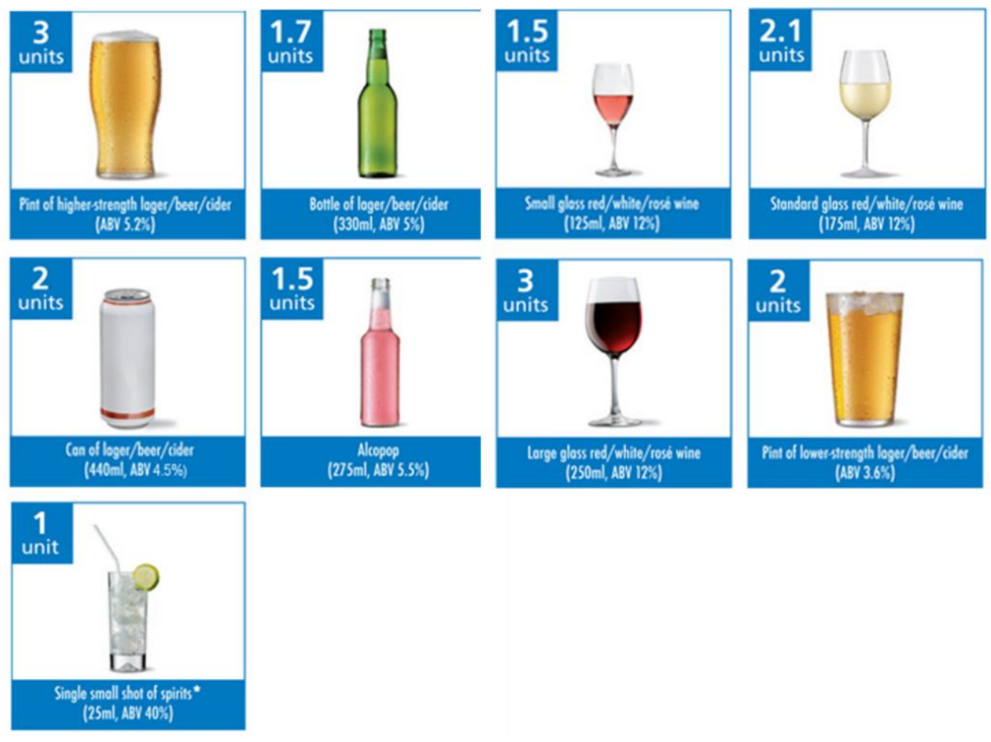
Alcohol in moderation is fine and may even be protective against heart disease. You should, however, try to avoid drinking more than two to three units of alcohol per day for men and women (maximum 14 units a week). You should also aim to have at least two alcohol free days per week.
Watch Your Weight
Being overweight can increase your risk of heart disease. It is wise to try to maintain your weight at a sensible level. If you are overweight, eating a healthy balanced diet will allow you to lose weight the healthy way.
Aim to be physically active for at least 30 minutes, five times a week. This can be split up during the day e.g. 3 x 10 minutes.
Be smoke free.
Contact us
If you have any queries relating to this information, please contact the Dietetics service.
About this information
Service:
Dietetics
Reference:
DT/003
Approval date:
31 August 2025
Review date:
30 August 2028
Click ‘show accessibility tools’ at the bottom of the page

Then click ‘select language’

Alternative formats
You can use the accessibility toolbar at the bottom of your screen to:
-
Change the text size
-
Adjust the font
-
Modify the colour contrast
-
Use the translate function
If you would like this information in another format, such as Braille, audio, or easy read, please speak to a member of staff.
You can also print as well as download as PDF using the “Print this page” button at the end of the page.
Staff will print a copy for you on request
Important note
This page provides general information only. It is developed by clinical staff and is reviewed regularly every 3 years for accuracy. For personal advice about your health, or if you have any concerns, please speak to your doctor.