

Advice after your nerve block for surgery
On this page…
This diet sheet provides you with basic information to help get you started a gluten free diet.
What is Coeliac Disease?
- It is a lifelong condition
- An autoimmune disease, not an allergy or food intolerance. It occurs when the body’s immune system attacks the lining of the small bowel (part of the digestive system) when gluten is eaten. This means that the body cannot properly absorb nutrients from food
- Only occurs in genetically susceptible people
- It affects approximately 1 in 100 people in the UK
- Twice as many women as men have coeliac disease
- Coeliac disease can be diagnosed at any age
- Treatment of coeliac disease is a strict gluten free diet
What is Gluten?
Gluten is a protein found in:
- Wheat
- Rye
- Barley
- Some oats can be contaminated with gluten (see page 3)
Symptoms of Coeliac Disease
Symptoms of undiagnosed coeliac disease vary greatly from person to person. Some experience quite severe digestive upsets, such as diarrhoea and bloating and others may have few or no digestive symptoms. Other symptoms can include mouth ulcers, joint and/or bone pain, tiredness, headaches and peripheral neuropathy (numbness and tingling in the hands and feet). Long term effects can include osteoporosis, infertility and dermatitis herpetiformis.
Deficiencies of vitamins and minerals especially vitamin D, iron, vitamin B12 and folate can be associated with coeliac disease.
How is Coeliac Disease Diagnosed?
You must continue to eat gluten in your diet until all the investigations have been completed. Stopping gluten in your diet before these tests, however tempting, will delay your diagnosis and could even prevent your diagnosis.
Your GP can take a blood test which looks for specific antibodies. If you have coeliac disease, you make these antibodies in response to eating gluten.
These antibodies are tissue transglutaminase antibody (tTGA) and endomysial antibody (EMA). A positive result i.e. you have these antibodies present in your blood, strongly indicates you have coeliac disease.
Your GP will then refer you to a gastroenterologist for a final and confirming diagnostic procedure. This procedure will be a biopsy of your small bowel to check for abnormalities that are typical of coeliac disease.
Treatment for Coeliac Disease
The treatment for coeliac disease is a lifelong, strict gluten-free diet. Once gluten has been removed from the diet, your gut will begin to heal, and you will usually start to feel better within a few weeks to up to a year.
Coeliac disease does not go away, so even when your symptoms improve and you start feeling healthier, it is important to stick to a gluten-free diet. Most people find it easier to follow once they have learnt which foods are safe to eat.
Some people with coeliac disease have neurological symptoms such as headaches or poor balance. A strict gluten-free diet can reduce the risk of neurological problems developing or worsening.
Foods Naturally Gluten-Free
Many foods are naturally gluten free as they do not contain any wheat, rye, barley or oats such as:
- Unprocessed meat, fish and eggs
- Rice and corn
- Fats and oils, cheese (check labels), cream and milk
- Lentils, chickpeas, soyabeans
- Potatoes, sweet potatoes, plantain, yams and cassava
- Nuts and seeds
- All fruit and vegetables
Can I Eat Oats?
The main problem with a lot of the oats that you buy is that they can be contaminated with gluten from wheat, barley and rye. This is because they are often grown or milled in the same environment.
Oats and oat products that are NOT labelled as gluten-free should always be avoided. Oats labelled as “100% oats” or “Pure oats” does not mean gluten free. However, some specialist manufacturers produce gluten-free oats. These oats are grown and milled in a dedicated environment where there is no risk of contamination with gluten from wheat, barley or rye.
Gluten free oats are often found in the ‘free from’ section at your local supermarket or in health food shops.
Oats are naturally gluten-free but a minority of people with coeliac disease may be sensitive to a similar protein found in oats called avenin. Gluten-free oats may be introduced to the diet at diagnosis. However, if you have on-going symptoms whilst including gluten-free oats on your diet, please review their use with your healthcare professional.
Food Labels
Reading food labels can help you make the right choices. There are food la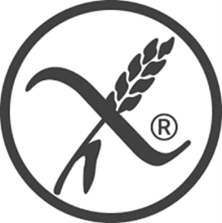
Check for the Coeliac UK cross grain symbol, which is nationally and internationally recognised, to distinguish certified gluten free products.
Read the List of Ingredients
Avoid all foods containing wheat, rye or barley. If a product has any grains that contain gluten, such as wheat, rye or barley, it is a legal requirement that they are listed in the ingredient list and highlighted e.g. in bold lettering.
Barley Malt Extract, Barley Malt Vinegar are suitable if labelled as gluten free. Wheat based Maltodextrins and Glucose Syrups are both safe due to manufacturing process removing gluten.
May Contain Statements
Look out for statements on food labels such as ‘made on a line handling wheat’ or ‘may contain traces of gluten’. Manufacturers use these statements to highlight that there is a risk of cross contamination with gluten whilst the food was being made or packaged. Unfortunately, these statements do not inform you of the extent of the risk and so if you see these statements on products that you want to eat, you can contact Coeliac UK or the manufacturer direct to find out more.
“Very Low gluten” food labels are commonly seen abroad but are not suitable for gluten free diet
Codex Wheat Starch is a form of starch with the gluten removed to a trace levels – therefore suitable for a gluten free diet.
Gluten-free
Gluten-free ‘substitute’ foods including bread and pasta are widely available.
If the food is labelled as gluten-free, the product will be suitable for everyone with coeliac disease; however, you do not need to restrict your diet to only foods that are labelled as gluten-free, as this could result in your diet being very restricted and expensive.
How to Choose the Right Food
If there is no wheat, rye or barley stated in the ingredient list and there is no ‘may contain’ statement regarding gluten, the product is suitable for a gluten-free diet.
Cross Contamination
When preparing food at home, be careful to avoid cross contamination from foods that contain gluten. Even tiny amounts of gluten may cause symptoms and damage to the gut for people with coeliac disease.
You may find the following helpful:
- Wash surfaces and utensils before preparing your food
- Use a separate toaster or use toaster bags for gluten-free bread (available in some supermarkets)
- Have your own packet of butter/spread/jam, as these can easily get contaminated with crumbs by other members of your household
Gluten-free Prescriptions
People diagnosed with coeliac disease may be able to receive gluten free staple foods, usually gluten free bread and flour, via prescription depending on your GP. Your GP can provide you with more information.
Why is Calcium Important?
Adults with coeliac disease should have at least 1000 milligrams of calcium each day to keep bones strong. Eating a wide range of foods that contain a good source of calcium will help meet requirements.
The table below can help you to see which foods are good sources of calcium.
|
Food per serving |
Amount of Calcium |
|
Skimmed milk, 200ml |
248mg |
|
Semi-skimmed milk, 200ml |
244mg |
|
Alternative milks e.g. soya/almond milk with calcium added (check product label) 200ml |
240mg |
|
Tinned sardines with bones (½ can, 42g) |
230mg |
|
Cheddar cheese, 30g |
220mg |
|
Rice pudding, ½ can (200g) |
176mg |
|
Yogurt, 1 x 125g pot |
170mg |
|
Baked beans, ½ can (200g) |
105mg |
|
Kidney beans, 120g |
85mg |
|
1 orange |
70mg |
|
Almonds, 30g |
70mg |
|
Broccoli, 3 tablespoons (80g) |
32mg |
The tables on the following pages divide foods into:
Suitable Foods: Naturally gluten free or specially manufactured to be gluten free.
May Contain Gluten: Use Coeliac UK Food and Drink phone APP or contact manufacturer. Check label if still unsure.
Foods to Avoid: Will contain gluten or be highly contaminated with gluten
|
Suitable Foods |
May Contain Gluten |
Foods to Avoid |
|
Flours and Other Grains Gluten free flour. Cornflour - (maize), sweet corn, cornmeal. Rice - white, brown, wild, ground rice, rice bran. Buckwheat, millet, quinoa, sorghum. Soya flour, potato flour, gram flour (chickpea), split pea flour. Polenta, sago, tapioca, cassava, arrowroot |
Normal oats |
Wheat; all wheat flours - white, plain, self-raising. Spelt, Kamut, couscous, semolina, bulgur wheat, durum wheat, wheat starch, wheat germ, wheat bran. Rye. Barley, pearl barley, barley malt, malt. Triticale (a cross between wheat and rye) Couscous |
|
Breads, Cakes, Pastry and Biscuits Specially manufactured gluten free products e.g. bread, rolls, crisp breads, crackers, pastry, cakes, biscuits, pizza bases. Rice cakes. Meringues. Poppadums
|
Flapjacks, oat biscuits, oat cakes
|
All bread products Croissants, brioche, bagels, ciabatta, naan bread, pitta bread, chapattis, paratha. Ordinary cakes, muffins, scones, potato scones. Pizza. Pastry - ordinary, puff, flaky, short crust, frozen. Croutons, pancakes. Yorkshire puddings and batter. |
|
Suitable Foods |
May Contain Gluten |
Foods to Avoid |
|
Pasta Specially manufactured gluten free pastas. Corn pasta, rice pasta. Buckwheat pasta |
Rice noodles |
All fresh, dried and canned pasta including spaghetti, ravioli, pasta shapes, macaroni and noodles. |
|
Breakfast Cereals Specially manufactured gluten free muesli. Buckwheat flakes |
Cornflakes, Rice cereals e.g. Rice Krispies, Coco Pops. Porridge oats |
All wheat-based breakfast cereals e.g. Weetabix, Shredded Wheat, puffed wheat, All Bran, muesli. Contaminated oat cereals |
|
Savoury Snacks Popcorn. Plain and salted nuts. Prawn crackers |
Crisps |
Pretzels. Bombay mix Cheese snack biscuits e.g. Cheddars |
|
Milk and Dairy Products and Eggs Milk - fresh, dried, evaporated, condensed sterilised and UHT milk. Goats’, sheep's and soya milk, infant formulas. Cream - fresh, soured, butter milk, crème fraiche. Cheese - plain, cottage cheese, cream cheese, blue vein, Brie/Camembert type. Eggs |
Yogurts and Coffee and tea whiteners. Artificial cream, cream topping. Cheese spreads, Mayonnaise. Oat milk |
Milk with added fibre. Yoghurt and fromage frais containing muesli. Scotch eggs |
|
Suitable Foods |
May Contain Gluten |
Foods to Avoid |
|
Meat and Poultry All fresh meats, poultry, chicken, turkey, game and offal (liver, kidney, heart). Meat canned or pre-packed in own juice or jelly. Bacon/ham. Gluten free sausages |
Stuffing mix. Sausages. Paté
|
Meat, poultry or game cooked in batter or breadcrumbs e.g. burgers, chicken/turkey burgers, breaded ham Meat pies and puddings. Ordinary sausages and sausage meat. Haggis, polony, faggots and rissoles, samosas |
|
Fish All fresh fish or other seafood. Smoked, kippered and dried fish. Shellfish. Fish canned in oil/ brine. ‘Free-from’ fish fingers |
Fish in sauce. Fish paté. Prawn cocktail |
Fish in batter (even if removed) or coated in breadcrumbs. Fish fingers, fishcakes. Taramasalata. Fish pastes
|
|
Fruits, Vegetables, Pulses and Nuts All fresh, frozen, canned, dried, pure fruits. Potatoes prepared and cooked at home. All vegetables. Nuts. Lentils |
Baked beans, potato salad, vegetable salad. Instant potato powder. Dry roasted nuts
|
Vegetables and potatoes in batter, breadcrumbs or dusted with flour. Chips coated with flour or batter (this may include chips from your local chip shop), instant mashed potatoes, potato croquettes, waffles. Onion rings. Fruit pie fillings, fruit fritters e.g. pineapple or banana fritters |
|
Suitable Foods |
May Contain Gluten |
Foods to Avoid |
|
Puddings and Desserts Jelly, sorbets. Milk puddings made with gluten free ingredients e.g. egg, corn flour, rice, ground rice, sago, tapioca
|
Custard powders and canned custard. Dessert mixes, instant whips. Ice creams and frozen desserts. Mousses |
Semolina and macaroni. Sponges, pies, tarts, flans and crumbles made with ordinary flour. Cheesecakes. Ice cream wafers and cornets. |
|
Fats and Oils Cooking oils, butter, margarines, lard, All spreads. Pure wheat germ oil |
|
Shredded suet,
|
|
Preserves and Spreads Sugar, glucose, molasses, jam, marmalade, conserves honey, treacle, golden syrup. Peanut butters and other nut butters |
Lemon curd. Chocolate spreads |
Mincemeat. |
|
Confectionary Homemade and manufactured sweets and chocolates made with gluten free ingredients. Jelly |
Sweets, chocolates, toffee, chewing gum, chocolate bars. Ice lollies |
Liquorice. Seaside rock rolled in flour. Chocolate bars containing biscuits |
|
Suitable Foods |
May Contain Gluten |
Foods to Avoid |
|
Soups and Sauces Soups and sauces or gravy made with gluten free ingredients or thickened with gluten free flours
|
Canned and packet soups. “Cook in” sauces. Gravy powder, browning and granules. Stock and stock cubes. Bottled sauces and ketchups. Mayonnaise and salad cream |
Minestrone soup. Bread sauce. Sauces made with ordinary flour. Stuffing and stuffing mixes Soy sauce |
|
Flavourings Salt, ground pepper, peppercorns. Tomato puree. Pure herbs and spices. All vinegars |
Seasoning mixes |
|
|
Vegetarian Foods Tofu Textured vegetable protein (TVP) |
Vegetarian sausages and burgers. Vegetarian ready meals.
|
Vegetarian pasta dishes, vegetable pies, spring rolls, bulgur wheat
|
|
Suitable Foods |
May Contain Gluten |
Foods to Avoid |
|
Drinks Tea, coffee. Fruit juices, fruit squash. Mineral water, clear, fizzy drinks. Cocoa. Milk. Complan, Build up |
Sports and health drinks. Chocolate powders and drinks. Milk shakes and mixes
|
Instant coffee containing barley. Cloudy, fizzy drinks. Lemon, orange barley squash. Vending machine chocolate drinks. Malted milk drinks e.g. Ovaltine, Horlicks |
|
Alcohol Wines, red, white rosé. Spirits including whisky. Fortified wines i.e. sherry, port. Cider. Gluten free beer |
|
Beer, lagers, real ales, stout, home brewed beers, low alcohol beers and lagers |
|
Miscellaneous Gluten free communion wafers. Cream of tartar, bicarbonate of soda Yeast - fresh and dried. Marzipan. Meat and vegetable extracts. Food colourings, essences and flavourings |
Baking powder |
Communion wafers. Ice cream cones and wafers |
For more information check the Coeliac UK Gluten free Checklist.
Eating Out
It’s always important that you need a gluten free menu for medical reasons.
Things to ask restaurants about as possible sources of gluten include:
- Stock cubes
- Breadcrumbs
- Wheat flour in sauces
- Oil used to fry food containing gluten
- Soy sauce
- Croutons in salad
Using the Gluten Free on Move App from Coeliac UK can help identify certified gluten free restaurants.
Look out for the gluten free logo
Coeliac UK
Coeliac UK is the leading charity working for people with coeliac disease and dermatitis herpetiformis. They provide up-to-date information and support via their website, helpline, phone App and voluntary local groups: They also fund research projects into coeliac disease. You can become a member of Coeliac UK by contacting them by phone, email or by completing the form in the coeliac pack your dietitian has given you.
Coeliac UK
3rd Floor
Apollo Centre
Desborough Road
High Wycombe
Bucks, HP11 2QW
Tel: 01494 437 278
Fax: 01494 474 349
Coeliac UK’s helpline is staffed by dietitians and food experts. You can call the helpline on 0333 332 2033 - Mon-Fri, 9am-5pm
Local Groups
Coeliac UK has seventy local groups across the UK, all run by volunteers. These groups support people with coeliac disease and their families by offering a variety of services including:
- Hosting food fairs
- Hosting meals out, coffee mornings, quiz nights
- Organising cookery demonstrations
- Holding meetings with medical experts.
See what is available near you by entering your postcode into Coeliac UK’s interactive map or contact the volunteer team via volunteering
Contact us
If you have any queries relating to this information, please contact the Dietetics service.
About this information
Service:
Dietetics
Reference:
DT/005
Approval date:
19 May 2026
Review date:
1 May 2029
Click ‘show accessibility tools’ at the bottom of the page

Then click ‘select language’

Alternative formats
You can use the accessibility toolbar at the bottom of your screen to:
-
Change the text size
-
Adjust the font
-
Modify the colour contrast
-
Use the translate function
If you would like this information in another format, such as Braille, audio, or easy read, please speak to a member of staff.
You can also print as well as download as PDF using the “Print this page” button at the end of the page.
Staff will print a copy for you on request
Important note
This page provides general information only. It is developed by clinical staff and is reviewed regularly every 3 years for accuracy. For personal advice about your health, or if you have any concerns, please speak to your doctor.