

Advice after your nerve block for surgery
On this page…
After your baby is born, the midwife will place them on a feeding “traffic light” pathway. This is based on the type of birth you had and any risks that might affect feeding. This helps staff notice babies who might find feeding harder.
This does not mean your baby will have feeding problems. It just helps us keep a closer watch and give support if needed.
If your baby is under the green pathway then he/she will be ‘responsive feeding’, however, if your baby is under the Amber or red pathway, they will be under a feeding plan to feed 2-3 hourly, but as soon as your baby is feeding well, you will be advised to move to Responsive Feeding:
Responsive Breastfeeding
Breastfed babies usually feed 8–12 times in a day.
- Feed your baby when they show signs they are hungry.
- You can also feed your baby to comfort them.
- Feed your baby if your breasts feel full.
You cannot overfeed or spoil a breastfed baby.
Responsive Bottle Feeding
- Feed your baby when they show signs they are hungry.
- Hold your baby close while feeding so they feel safe.
- Ask your midwife to show you how to do “paced feeding”.
- When only parents feed their baby in the early days and weeks, it helps the baby feel safe, loved, and secure.
| Green Pathway- Care Plan |
|
| Amber Pathway- Care Plan |
|
| Red Pathway- Care Plan |
|
How to Hand express milk
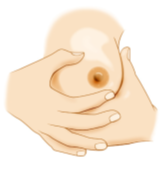
- Wash your hands with soap and dry them well.
- Get a clean container like a syringe to catch the colostrum.
- Gently rub your breast in circles from the outside toward your nipple for about 2 minutes.
- Roll or gently squeeze your nipple for about 1 minute to help your milk come out.
- Place your thumb and finger in a “C” shape about 2-3 cm from the base of your nipple.
- Gently press and release in a steady rhythm. Do not slide your fingers on your skin or nipple. It should not hurt.
- Collect the colostrum in your container or syringe. It may take a few minutes.
- When the milk flow slows, move your fingers to another spot and repeat.
- Do the same on the other breast
- Feed your baby any colostrum you collect
Contact us
If you have any queries relating to this information, please contact the Maternity service.
About this information
Service:
Maternity
Reference:
M/066
Approval date:
22 June 2026
Review date:
1 June 2029
Click ‘show accessibility tools’ at the bottom of the page

Then click ‘select language’

Alternative formats
You can use the accessibility toolbar at the bottom of your screen to:
-
Change the text size
-
Adjust the font
-
Modify the colour contrast
-
Use the translate function
If you would like this information in another format, such as Braille, audio, or easy read, please speak to a member of staff.
You can also print as well as download as PDF using the “Print this page” button at the end of the page.
Staff will print a copy for you on request
Important note
This page provides general information only. It is developed by clinical staff and is reviewed regularly every 3 years for accuracy. For personal advice about your health, or if you have any concerns, please speak to your doctor.