

Advice after your nerve block for surgery
On this page…
This page aims to explain the process of active surveillance, which has been recommended as a suitable management option by the Specialist Renal Multidisciplinary Team.
If any questions arise from reading this information, please contact one of the Kidney Cancer Nurse Specialists, their direct line numbers are at the end of this leaflet.
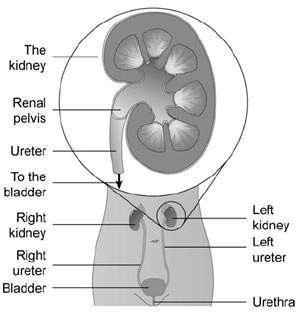
The kidneys are a pair of organs located at the back of the abdomen which filter blood to remove waste products producing urine. The urine is carried from each kidney to the bladder via a tube called the ureter. When the bladder is full the urine passes out of the body through a tube called the urethra. The urethra opens immediately in front of the vagina in women and at the tip of the penis in men.
• Localisation of the tumour
• The estimated size
• Your age and co-morbidities
• Your current medications
• Your current kidney function
• Previous surgery on your abdomen / kidneys
• Involvement of renal vein, adrenal gland
What is active surveillance?
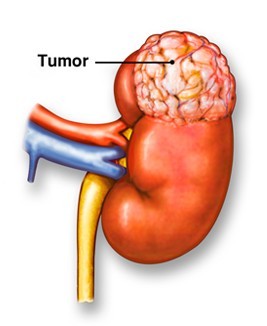
After a lesion in a kidney has been identified, usually on a CT scan, the scans are reviewed in the Specialist Renal Multidisciplinary Team Meeting and the specialist team will make recommendations of how best to manage the lesion.
There are several factors which are considered when choosing the right management plan for each patient such as:
• The patients age and co-morbidities
• The estimated size of the tumour
• Your current kidney function
Kidney lesions are typically slow growing and if small, keeping a close eye on them is a safe, non-invasive management option.
The timing of your CT scans will be determined by one of the consultant urologists. When reviewing the CT scan, we are assessing the size and character of the tumour. If significant changes are reported, then we will re-review your scans in the Specialist Renal Multidisciplinary Team Meeting and discuss any changes to our recommendations with you.
If the lesion remains stable, most patients stay on active surveillance for up to 3 to 5 years.
You will be under the care of Frimley Renal Cancer Centre for the duration of your active surveillance, and if you have any concerns, please get in touch with the Renal Cancer CNS.
Useful Telephone Numbers / contacts:
Sister Jo Oakley Kidney Cancer CNS 0300 613 2426
Sister Kate Brown Kidney Cancer CNS 0300 613 5804
FRCC Senior Clinical Admin Officer 0300 613 4450
Appointments 0300 613 4201
Radiology Department 0300 613 4140
Contact us
If you have any queries relating to this information, please contact the Urology service.
About this information
Service:
Urology
Reference:
Z/051
Approval date:
1 August 2025
Review date:
1 August 2028
Click ‘show accessibility tools’ at the bottom of the page

Then click ‘select language’

Alternative formats
You can use the accessibility toolbar at the bottom of your screen to:
-
Change the text size
-
Adjust the font
-
Modify the colour contrast
-
Use the translate function
If you would like this information in another format, such as Braille, audio, or easy read, please speak to a member of staff.
You can also print as well as download as PDF using the “Print this page” button at the end of the page.
Staff will print a copy for you on request
Important note
This page provides general information only. It is developed by clinical staff and is reviewed regularly every 3 years for accuracy. For personal advice about your health, or if you have any concerns, please speak to your doctor.