

Advice after your nerve block for surgery
On this page…
What is a Breast Reduction?
Breast reduction is known as a reduction Mammoplasty.
The operation is designed for women with exceptionally large, pendulous breasts (PTOSIS)
These can cause various symptoms which may include severe back pain, neck pain, and shoulder pain.
Skeletal and breathing problems can also be due to excess weight of the breasts
Deep grooves may also develop beneath the bra straps and back causing irritation, rashes, and skin breakdown
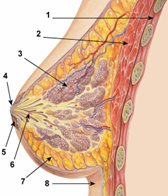 |
1 Chest wall |
Who is suitable to have this operation?
The patient must understand fully the reason for this operation and have a realistic approach regarding their expectations
Breast reduction is not recommended for women of childbearing age who intend to breast feed.
Surgery involves removing the milk ducts
The consultant will advise you as to whether it is the appropriate decision
Will I be in pain after the operation?
We will give you sufficient painkillers to keep you comfortable. If you need any extra pain relief, please inform the nurse.
Pain varies from one person to another depending on the individual’s pain threshold.
Where will my scars be?
There are different techniques of doing this type of operation and the scars may be around the nipple, or in the shape of an upside T leading from the nipple to the crease under the breast.
Are there any Risks?
Small risk of
• Bleeding
• infection
• Hematoma
• Asymmetry
Preparing for your operation
- Attend pre-assessment appointment
- Stop smoking 6 weeks before the surgery
- Avoid Aspirin and brufen 2 weeks prior to the surgery
- Do not eat 6 hrs. before the surgery
- Arrange for a responsible adult to take you home and stay with you 24hs
- Loose comfortable clothing/front fastening tops and loose pajamas
Day of surgery
- Operation takes 2-3 hrs. under a general anesthetic
- You will have dressings in place and a supportive Bra
Recovery
Weeks 1-2
- Rest at home swelling, bruising and discomfort are normal take painkillers as prescribed. Avoid heavy lifting and driving for 2 weeks
Week 2-4
- Sutures are normally dissolvable
- Resume light activity
- Supportive non-wired bra day and night
Weeks 4-6
- Most people return to work
- Avoid strenuous exercise
3-6 months
- Final shape settles
- Scars continue to fade and soften
What should I do after the operation.
- Take regular painkillers if needed
- You will be limited in the things you can do for a couple of weeks after the operation.
- You should avoid any heavy lifting, vacuuming and any other strenuous activities
- Such as aerobics, gym work and swimming
- You will see your consultant for 4-6 weeks after the surgery
How do I care for my wound at home
- On discharge we will check that your dressings are clean and dry
- All dressing will stay in place till you see the Breast nurse in clinic in a week
- Do not shower or wear a Bra till the dressings have been removed and the wound have been checked in clinic
- You will be measured for the correct type and size
- You will see the consultant in clinic 4-6 weeks after the operation.
When will I be able to drive?
We normally advise you not to drive for 2 weeks after the operation
Please check with your insurance company regarding cover post-surgery.
Where should I seek advice or help?
If you have any worries, however small, please contact Contact Kamal Paul, Clinical Lead Nurse for Plastics and Breast on 03006 153031
For further advice, please ring the Plastic Surgery Dressing Clinic on 03006 153031
If you are unable to come to the hospital and urgently need help or advice out of hours, please contact your GP practice or 111.
You can also email and send photos to fhft.plasticsurgentcare@
Contact us
If you have any queries relating to this information, please contact the Plastic surgery service.
About this information
Service:
Plastic surgery
Reference:
T/002
Approval date:
1 May 2026
Review date:
1 May 2029
Click ‘show accessibility tools’ at the bottom of the page

Then click ‘select language’

Alternative formats
You can use the accessibility toolbar at the bottom of your screen to:
-
Change the text size
-
Adjust the font
-
Modify the colour contrast
-
Use the translate function
If you would like this information in another format, such as Braille, audio, or easy read, please speak to a member of staff.
You can also print as well as download as PDF using the “Print this page” button at the end of the page.
Staff will print a copy for you on request
Important note
This page provides general information only. It is developed by clinical staff and is reviewed regularly every 3 years for accuracy. For personal advice about your health, or if you have any concerns, please speak to your doctor.