

Advice after your nerve block for surgery
On this page…
Introduction
Hypermobility refers to an increased range of movement in one or more joints compared to what would be expected for a person’s age. Hypermobility is a spectrum and some children are more flexible than others. Children are typically very bendy compared to adults. As they get older their joints gradually become less flexible. Joint hypermobility is very common in children and is considered a normal variant. Hypermobility is caused by laxity of the ligaments supporting joints.
Most young people do not know they are hypermobile as they have no symptoms. Children who are hypermobile may benefit from their flexible joints when participating in certain sporting activities (e.g. gymnastics, dance, and swimming). Most children with hypermobile joints do not need support with everyday activities. However, some children with hypermobility may experience pain in their joints. If children have symptoms associated with their hypermobile joints, physiotherapy can be beneficial to aid with managing and improving their symptoms.
Common Presentations
Hypermobile joints may be associated with some of these symptoms:
- Flat feet.
- Clicking joints.
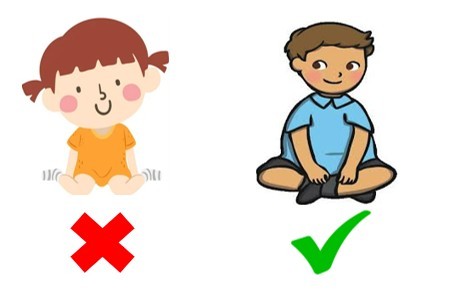
- ‘W’ sitting.
- Delayed milestones (e.g. late walking, bottom shuffling).
- Tiredness after walking long distances.
- More stumbles/falls due to poor balance and coordination.
- Joint and/or muscle pain, usually at nighttime or after activity.
- Reluctance to take part in physical activity, especially for long durations.
- Difficulty with handwriting, using a knife and fork and getting dressed.
Treatment and Advice
1) Pacing Activities
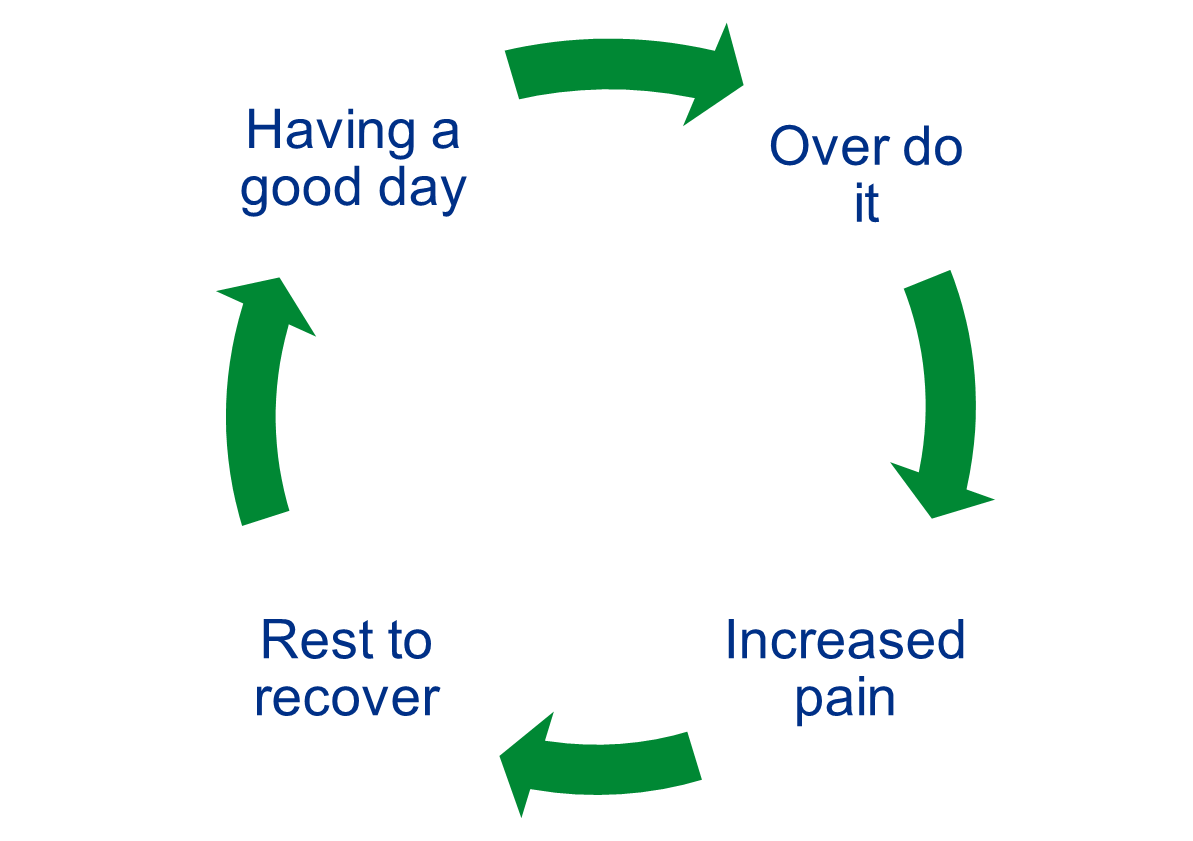
Boom and Bust
Avoid doing too much activity in one day, instead try to spread it across the week. Balance periods of activity with periods of rest throughout the day to help avoid the “boom and bust” cycle.
Little and Often
Activity little and often is better than lots of activity all in one go. Allow periods of rest before children become fatigued and before onset of symptoms.
Gradual Return to Activity
If children have had time off sporting activities, they will need a gradual return to to reduce the risk of pain flaring. Low impact exercise such as swimming and cycling can be beneficial.
Boom and Bust Cycle
2) Pain Management
Pain associated with hypermobile joints is extremely common. It is usually a result of muscle fatigue rather than any damage or injuries. Pain relief may not be effective, but the pacing strategies outlined previously can help children self-manage their pain. You may need to seek advice from your GP if the pain is not manageable.
Heat or Ice: warm baths, hot water bottles or heat packs can help relax muscles and aid with improving pain. Meanwhile ice can reduce any joint swelling.
Distraction Techniques: focusing on pain will make it feel worse. Keeping children’s minds busy to stop them fixating on their symptoms can help to manage their pain. Try to avoid focusing on children’s pain or asking them if they are in pain.
3) Footwear and Orthotics
Supportive footwear is important for all children. Shoes should have appropriate support around the ankle and under the arch to reduce the risk of pain. Ideally shoes should be stiff around the heel, be lace up, and have a sturdy sole (e.g. high top trainers or ankle boots).
Insoles are orthotics that are worn inside shoes to help correct the foot position. They can be used for people with flat feet but are only used if there are symptoms present. They can help to relieve foot, ankle, and knee pain by correcting the position of the foot. This reduces the amount of extra work that the muscles need to do. You may require a referral to a podiatrist/orthotist for provision of insoles if deemed appropriate by your physiotherapist, GP, or paediatrician. Typically insoles are not required in children under the age of 8.
4) Exercise
Physical activity in children with hypermobility is important for strengthening muscles and protecting the affected joints. Strengthening exercises should be incorporated to aid with building strength and stamina. This will enable children to participate in multiple sports without onset of symptoms. There are no restrictions to sports participation, but it is important not to push through pain. Symptoms may present after activity; this is usually due to muscle fatigue rather than any injury or damage.
Tips for Sports Participation if Symptomatic
- Encourage regular low impact strengthening exercises (e.g., swimming/cycling/walking).
- Avoid long periods of activity as this may worsen symptoms (refer to the pacing activities section).
- Avoid joints being in the same position for long periods of time, move around regularly.
- Encourage gentle exercise and movement throughout the day.
- Ensure that children avoid overstretching their joints.
5) School
Writing Tasks
Children with hypermobility may experience some difficulties with tasks such as writing here are some tips to help manage this:
- Different grips for pens/pencils.
- Using a gel pen rather than ball point pen.
- Using a writing slope.
- Use of a laptop for prolonged periods of writing.
- Refer to pacing advice regarding regular rest breaks.
- You may be referred to a hand therapist if deemed necessary by your GP or physiotherapist.
Sitting
- It is important children avoid ‘W’ sitting.
- Children may require movement breaks during longer pieces of work or long exams.
- It is important to ensure children are sitting with a good posture in a chair that’s an appropriate height.
Movement
- Unless told otherwise, children with hypermobility should participate fully in physical activities including P.E.
- They may require rest breaks but should be encouraged to actively take part.
- If a child is symptomatic, then they will benefit from lower impact activities (see exercise section).
Seeking advice
• Seek advice from your GP if you have any major concerns about your child, or if they are having frequent and severe pain.
Contact us
If you have any queries relating to this information, please contact the Physiotherapy service.
About this information
Service:
Physiotherapy
Reference:
PT/004
Approval date:
1 April 2026
Review date:
1 April 2029
Click ‘show accessibility tools’ at the bottom of the page

Then click ‘select language’

Alternative formats
You can use the accessibility toolbar at the bottom of your screen to:
-
Change the text size
-
Adjust the font
-
Modify the colour contrast
-
Use the translate function
If you would like this information in another format, such as Braille, audio, or easy read, please speak to a member of staff.
You can also print as well as download as PDF using the “Print this page” button at the end of the page.
Staff will print a copy for you on request
Important note
This page provides general information only. It is developed by clinical staff and is reviewed regularly every 3 years for accuracy. For personal advice about your health, or if you have any concerns, please speak to your doctor.