

Advice after your nerve block for surgery
On this page…
Introduction
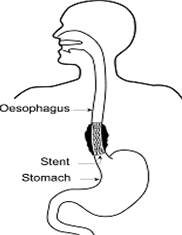
A stent is a flexible mesh tube, which has been put through the
narrowing in your oesophagus (food pipe) to improve your swallowing.
You should now be able to have soft foods and do not need to stick to smooth or pureed foods such as soups, jelly or ice cream. You should try to have a varied diet.
This booklet aims to give you advice on your diet after you have had a stent placed.
Starting to Eat After a Stent has Been Placed
Everyone will progress at their own pace, but the following is a guide to get you started.
Day 1 (day of procedure): nil by mouth (nothing to eat or drink) for two hours then fluids only, or as directed by your team.
Day 2 after the procedure: if managing fluids and swallowing well, try very soft, smooth foods, such as cereal with plenty milk, soup, scrambled egg, yoghurt, mashed banana and custard or ice-cream.
Day 3 after the procedure: if you have been managing a very soft diet, gradually increase the texture to a more solid consistency as your swallowing becomes easier. These foods could include fish pie, shepherd’s pie with lots of gravy, soft omelette, soft vegetables, pasta, biscuits dipped in a drink or rice pudding.
Day 4 onwards: expand foods to eat a more normal diet (see table on pages 3 and 4). If you have any problems with more solid foods, continue with the softer diet until you feel able to slowly introduce more solid food.
When you are in hospital, ask the ward host or a nurse to show you the ‘Oesophageal Stent’ menu so that you have appropriate foods to choose from.
Looking After the Tube
- Try to relax and eat slowly. Take your time eat - there is no need to keep up with others at the table.
- Take small mouthfuls at a time and chew well. Do not be afraid to spit out lumps which cannot be chewed
- Do not tackle large lumps of food - cut them up into smaller pieces.
- Sip a little fluid or a fizzy drink during and after meals. A fizzy or hot drinks can help to clear the tube/stent, especially after meals
- Add plenty of sauces, gravy, custard or cream to meals to make foods moist and make swallowing easier.
- Sit up upright when eating and for an hour afterwards - avoid taking meals in bed or from a tray on your lap
- Keep your teeth clean and ensure dentures fit well, so that chewing is effective
- Please tell your pharmacist you have a stent when getting any medications (either prescribed or over the counter). They will be able to advise you whether you can have liquid or dissolvable medication, which may be easier for you to manage.
Is Your Food ‘Sticking’?
- If you feel that food is sticking and that the tube may be blocked, stop eating, drink a little and walk around
- If blockage persists for more than three hours, contact the hospital where you were treated, or call your GP
- Foods such as bread, toast, fried or hard boiled egg, fish with bones, pithy fruit (orange, pineapples, grapefruit), stringy vegetables (green beans, celery), salad items and chips may cause your stent to block.
|
Foods to Include |
|
|
Meat |
Well-cooked tender meat cut into small pieces or minced and served with gravy |
|
Fish |
Poached fish (remove all bones), or flaked fish in sauce e.g. parsley sauce, cheese sauce. Soft fish pie with mashed potato topping |
|
Dairy |
Grated cheese, cream cheese, cottage cheese and cheese spread Milky drinks and milk-based sauces (preferably full fat milk) |
|
Eggs |
Scrambled, omelette (if well chewed), egg mayonnaise (if well mashed and smooth) |
|
Pulses |
Well-cooked soft lentils, beans or peas especially those in soups and casseroles |
|
Soups |
Creamed soups, fortified soups |
|
Pasta and rice |
Small pasta shapes, well cooked in lots of sauce Well cooked rice, risotto and rice pudding Mashed potato with extra milk/butter/cheese, inside of jacket potato (do not eat the skin) |
|
Cereals |
Milky porridge, Ready Brek, soggy cereal e.g. Weetabix soaked in milk |
|
Bread |
None |
|
Vegetables |
Well-cooked broccoli, cauliflower, carrots, creamed potatoes with gravy or sauce |
|
Fruit |
Stewed, soft or tinned fruit with skins removed To increase vitamin C intake, have fresh fruit juice or vitamin C fortified drinks |
|
Miscellaneous |
Biscuits dipped with drinks, chocolate (without fruit/nuts) |
|
Foods to Avoid |
|
|
X Meat |
Dry meat, tough meat and gristle, crackling |
|
X Fish |
Fish with bones. Fish in crispy batter or breadcrumbs |
|
X Dairy |
None to avoid |
|
X Eggs |
Fried and hardboiled egg, poached egg white |
|
X Pulses |
Undercooked beans or peas such as those in salads |
|
X Soups |
Soups containing large/hard lumps |
|
X Pasta and rice |
Wild rice, chips, crisps, potato skins, roast potatoes |
|
X Cereals |
Hard fibrous cereals e.g. All bran, Shredded Wheat, muesli |
|
X Bread |
Any type of bread and dough-based foods e.g. pizza, pastries, buns, toast, chapatti |
|
X Vegetables
|
Green salad, raw vegetables, vegetables with tough shells e.g. peas and sweetcorn, stringy vegetables e.g. celery, cabbage |
|
X Fruit
|
Hard fruits, skins of fruit and dried fruit Fruit skins - in jam, stewed fruit Fruit pith e.g. oranges, grapefruit etc |
|
X Miscellaneous |
Chewy sweets e.g. toffee, fudge, fruit chews, nuts, seeds, popcorn |
What to do if You Lose Weight
If your appetite is poor or you are unable to eat as much as you used to, try to eat little and often, aiming for five to six small meals/ snacks a day. You can fortify food and drinks to increase their energy and protein content, for example:
Milk
Whisk four tablespoons of dried skimmed or whole milk powder into one pint of full fat milk and use this enriched milk in place of ordinary milk e.g. to make sauces, in tea and coffee, milky puddings etc.
Cream
Add cream to cereals, porridge, sauces, soup, mashed potato, puddings etc.
Evaporated and Condensed Milk
Add to puddings, custard, jellies and coffee.
Cheese
Add grated cheese to sauces, mashed potato and soft scrambled egg.
Butter, Margarine and other oils
Add some butter, olive or vegetable oil to potatoes or pasta or mashed in soft vegetables or mashed in avocados.
Sugar
Add to drinks, cereals and puddings.
Suitable Meal Ideas
Breakfast
- Ready Brek or Oats So Simple
- Porridge made with milk (and honey)
- Weetabix with plenty of milk and sugar
- Soft scrambled egg or mashed up baked beans with plenty of tomato sauce
Meals
- Chopped chicken or minced meat and gravy
- Shepherd’s pie
- Braised meat, chopped up into small pieces and well cooked with gravy
- Fish in sauces (ensuring bone free)
- Soft scrambled eggs and omelettes with cheese or chopped ham
- Soufflés
- Pasta dishes with lots of sauce
- Tender meat or vegetable curry/dhal
Puddings
- Milk jelly
- Mousses and instant whips
- Ice cream and soft fruits
- Full fat yoghurts and fromage frais
- Milk puddings and egg custard
- Crème caramel
- Milk shakes with added ice-cream and skimmed milk powder
- Stewed fruit with custard, cream or ice-cream
- Chocolate (without toffee filling/dried fruit or nuts)
- Biscuits with a hot drink
Dietary Supplements
If your appetite is poor and you are finding it difficult to gain or maintain your weight, your Dietitian may recommend taking nutritional supplements. They will advise which supplement is suitable for you and arrange a prescription from your GP if appropriate.
Useful Contacts and Support
The Oesophageal Patients Association
Website: http://www.opa.org.uk/
Email: enquiries
Tel: 0121 704 9860 Monday – Friday 9.00am - 5.00pm
Macmillan Cancer Support: website: www.
Free-phone telephone: 0808 808 0000, Monday – Friday 9am – 8pm (interpretation service available)
Contact us
If you have any queries relating to this information, please contact the Dietetics service.
About this information
Service:
Dietetics
Reference:
HH/019
Approval date:
1 November 2025
Review date:
1 November 2028
Click ‘show accessibility tools’ at the bottom of the page

Then click ‘select language’

Alternative formats
You can use the accessibility toolbar at the bottom of your screen to:
-
Change the text size
-
Adjust the font
-
Modify the colour contrast
-
Use the translate function
If you would like this information in another format, such as Braille, audio, or easy read, please speak to a member of staff.
You can also print as well as download as PDF using the “Print this page” button at the end of the page.
Staff will print a copy for you on request
Important note
This page provides general information only. It is developed by clinical staff and is reviewed regularly every 3 years for accuracy. For personal advice about your health, or if you have any concerns, please speak to your doctor.