

Advice after your nerve block for surgery
On this page…
What is norovirus?
Norovirus is the most common virus that causes diarrhoea and vomiting in this country. It can affect anyone, but you may have heard about it causing problems on cruise ships, in schools, hotels and holiday camps. Although unpleasant, it is rarely fatal.
How does it spread?
The infection can spread very easily, by ingestion of the virus. It can be passed from person to person if hands are not washed after using the toilet or if someone vomits near you. Occasionally it can be spread via food (such as shellfish and salad) and contaminated surfaces.
If I have norovirus, what will I feel like?
- You will usually have sudden, violent vomiting (projectile vomit)
- You may also pass frequent watery stools
- You may have the shakes, a headache, feel hot and cold, have a raised temperature, feel tired, have aching muscles and abdominal cramps
- The illness usually lasts for 2 days.
- You can still pass the virus on to others for 48-72 hours after the diarrhoea and vomiting have stopped.
Is there any treatment?
Norovirus is a virus, so antibiotics will not be beneficial. It is important to prevent dehydration by drinking plenty of plain water as soon as you feel able to.
Why does it cause problems in a hospital?
Norovirus is not just an illness that affects hospitals; outbreaks can occur where large numbers of people are present.
Hospitals have large numbers of people together and some of them share the same toilet. Many are already unwell.
Some patients who have norovirus may need to be admitted to hospital for urgent or necessary surgery or treatment.
How will norovirus affect my hospital treatment?
Patients with diarrhoea and vomiting that seems to be caused by norovirus, may be cared for in a single room or in a separate area. This is to prevent it spreading to other patients and staff.
A specimen of the liquid stool may be tested to see if norovirus is present.
Physiotherapy, x-rays and other tests should still be carried out, but hospital staff may need to seek advice from the Infection Prevention & Control team.
Can my family visit me?
As norovirus is easy to catch, visitors should be limited to your immediate family members and partner. Children or frail elderly relatives would be advised to wait until you feel better (48 hours after the last episode of diarrhoea or vomiting).
If your family or friends have had diarrhoea or vomiting they should not visit you until 48 hours after their diarrhoea and vomiting is better.
Your visitors do not need to wear gloves or aprons when visiting, unless they are assisting with your personal care.
Visitors should report to the nurse in charge before visiting and should be encourage to clean hands before entering and after leaving the ward.
Please ask the nurse in charge of your ward if you need more information.
Will it delay my discharge?
People with diarrhoea and vomiting can be discharged to their own home.
Transfer to other wards or care facilities (e.g. Nursing Homes) can cause the illness to spread to other people, who may be elderly or frail. Transfer to these areas will be delayed until 48 hours after the last episode of diarrhoea and/or vomiting.
How can I protect myself from norovirus?
Try to keep away from people who have symptoms (if a person with norovirus vomits near you, it is very likely that you could become infected).
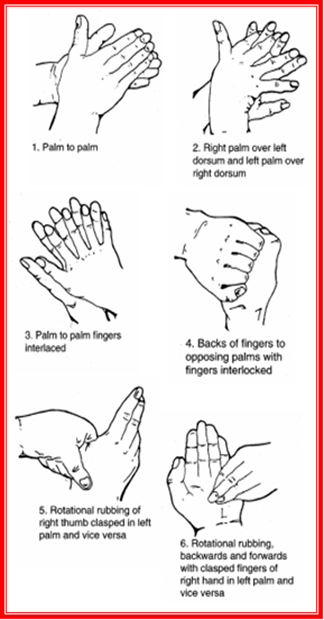
- Most infections are passed from person to person via hands. It is important to clean your hands after using the toilet, before eating or if you come in to contact with someone who has been sick.
- Keep the surfaces of your bedside locker and table free from clutter (such as fruit and magazines) so that thorough cleaning can take place.
How to wash your hands
Contact us
If you have any queries relating to this information, please contact the Infection prevention and control (IPC) service.
About this information
Service:
Infection prevention and control (IPC)
Reference:
LL/009
Approval date:
23 December 2024
Review date:
1 December 2027
Click ‘show accessibility tools’ at the bottom of the page

Then click ‘select language’

Alternative formats
You can use the accessibility toolbar at the bottom of your screen to:
-
Change the text size
-
Adjust the font
-
Modify the colour contrast
-
Use the translate function
If you would like this information in another format, such as Braille, audio, or easy read, please speak to a member of staff.
You can also print as well as download as PDF using the “Print this page” button at the end of the page.
Staff will print a copy for you on request
Important note
This page provides general information only. It is developed by clinical staff and is reviewed regularly every 3 years for accuracy. For personal advice about your health, or if you have any concerns, please speak to your doctor.