

Advice after your nerve block for surgery
On this page…
What is a wheeze?
Wheeze or wheezing is a high pitched sound from the chest that is usually heard when breathing out. A wheeze is caused when the tubes in the lungs become narrow and inflamed. It is common for young children to wheeze with viral infections (colds). Children who were born prematurely or are exposed to cigarette smoke are more likely to wheeze.
How is wheeze treated?
Reliever inhalers:
This should be used only when needed and your child has symptoms of wheeze, difficulty breathing, or when coughing. The reliever inhaler helps to relax the muscles around the airways and help your child breathe.
Preventer treatment:
Some children who have lots of episodes of wheeze are given a medications to help reduce the episodes.
- Granules/chewable tablets (Montelukast) This medicine helps to reduce inflammation and is taken once daily. The granules can be mixed in to soft foods such as yoghurt or ice cream.
- Preventer inhalers, This medicine contains steroid which also helps to reduce inflammation. Remember to rinse out your child’s mouth after use.
Does this mean my child has asthma?
Having a wheeze with viral infections does not mean your child has asthma. For example, if your child is well between episodes, has no allergies and there is no family history of asthma then they are unlikely to develop asthma. Most children will grow out of this as they get older (usually between 4-6 years). Your child is more likely to develop asthma if they have eczema, allergies or if there is a family history of asthma. Children with asthma will have symptoms between viral infections, often with exercise or laughter.
How do I use my inhaler?
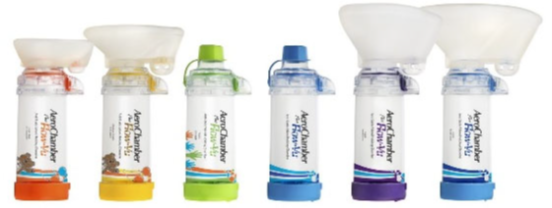
A spacer device should be used with a pressurised metered-dose inhaler no matter how old you are.
- Shake the inhaler and remove the cap
- Insert inhaler into the open end of the spacer
- Ensure you have a good seal with the mask or around the mouthpiece. Tip: you should see the valve moving with no whistling
- Hold spacer upright and press the inhaler once, followed by 5 slow breaths or count to 10 seconds (watch the valve move forward/back with each breath)
- Return to step one and repeat for each puff of inhaler as needed
Spacers should be cleaned monthly and replaced annually. Please provide a spacer to your school or nursery at the start of the Autumn term.
If you do not know how to use your inhaler or need help, please contact your GP, practice nurse or pharmacist. Alternatively, visit Asthma & Lung UK https://

Post attack/discharge plan
Look out for signs of wheeze, shortness of breath, coughing or difficulty breathing. If your child has been prescribed preventer medications, please take these as prescribed
If you/your child has wheeze, difficulty breathing or is coughing, take 2 puffs of the blue inhaler via the spacer. Wait 2 minutes and repeat if necessary until you have given 6 puffs.
You/your child should feel better after a few minutes and these effects should last 4 hours. If you/your child do not feel better, move to the box below immediately.
|
If you/your child:
|
You/your child should be feeling better and no longer need their blue inhaler after a few days. If you have ongoing concerns, please seek a GP review.
Contact us
If you have any queries relating to this information, please contact the Paediatrics service.
About this information
Service:
Paediatrics
Reference:
P/075
Approval date:
28 August 2026
Review date:
1 August 2029
Click ‘show accessibility tools’ at the bottom of the page

Then click ‘select language’

Alternative formats
You can use the accessibility toolbar at the bottom of your screen to:
-
Change the text size
-
Adjust the font
-
Modify the colour contrast
-
Use the translate function
If you would like this information in another format, such as Braille, audio, or easy read, please speak to a member of staff.
You can also print as well as download as PDF using the “Print this page” button at the end of the page.
Staff will print a copy for you on request
Important note
This page provides general information only. It is developed by clinical staff and is reviewed regularly every 3 years for accuracy. For personal advice about your health, or if you have any concerns, please speak to your doctor.