

Advice after your nerve block for surgery
On this page…
What is Thoracic Outlet Syndrome?
The thoracic outlet is the space between your neck and shoulder.
Nerves and blood vessels pass through this space from the neck to the arm.
Narrowing of this space can put pressure on nerves and blood vessels causing thoracic outlet syndrome.
Thoracic outlet syndrome usually affects one limb.
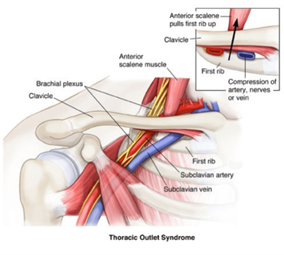
Symptoms of Thoracic Outlet Syndrome can include:
- Pins and needles of numbness in the arm or hand
- Pain
- Swelling
- Weakness
- The affected arm feeling cold
What causes Thoracic Outlet Syndrome?
Causes can include:
- Being born with an extra rib (known as a cervical rib)
- Poor posture
- Large breasts
- Injury to the chest, neck or ribs (such as a car accident)
- Jobs or activities that involve repetitive overhead arm movement
- Increased muscle bulk (body building)
Why do you need surgery?
Surgery may be offered when physiotherapy has been unsuccessful or where thoracic outlet syndrome has caused blood clots in your arm affecting your circulation.
What does surgery involve?
The procedure involves the removal of the first or cervical (extra) rib, removal of small neck muscles (scalenes) that attach into the first rib. This creates space for the vessels and nerves so they are no longer compressed.
If you have been admitted with a blood clot in your arm you may be given an intravenous infusion (thrombolysis) to break down the clot prior to surgery. Your surgeon will discuss this with you.
Prior to surgery your surgeon will discuss any risks of surgery with you.
Restrictions After Surgery
0-2 weeks after surgery
- Avoid lifting anything heavier than a cup of tea
- Do not lift your arm above shoulder height
- Avoid rotating your shoulder internally or externally outside of neutral shoulder position e.g. do not reach your hand behind your back to do up bra strap or reach behind your head to tie your hair.
Driving
You can usually return to driving a few weeks after surgery once have sufficient pain free movement in your affected arm. If you have any concerns please consult your doctor or physiotherapist.
Returning to work
Most people are able to return to work 2-4 weeks after surgery. However, depending on your job you may require anything from 2-12 weeks off. You can request a sick note prior to discharge. If you need this extended, you should consult your GP.
Exercises
- The following exercises should be performed every day to improve your mobility and strength and to avoid complications
- Always perform the exercises on both sides
- Completing your exercises regularly will help to prevent stiffness in the affected arm and reduce the chance of recurrence of your symptoms.
- Try to keep performing the exercises even after you have been discharged from hospital. You will be seen by a physiotherapist as an outpatient who will advise you on progression of exercises.
- Ensure you are sat upright and balanced – engage your core to sit upright.
- You can add resistance bands or small weights to progress these exercises when advised by your physiotherapist.
- Unless advised specifically by your physiotherapist, repeat each exercise 10 times, aiming for three times a day.
- If any of the exercises give you any pain, please stop immediately and inform your physiotherapist
- If you have any questions regarding any information in this booklet, please ask a member of the team
Breathing Exercises
Pain and swelling after surgery can affect how you breathe. It is important to complete breathing exercises to prevent breathing issues and to keep your chest wall moving which will help maintain the mobility of the nerves and blood vessels.
Your physiotherapist will teach you breathing exercises to prevent complications. Please continue to complete these throughout your recovery.
- Take a slow deep breath in for as long as possible, in through your nose.
- Exhale slowly through your mouth.
Repeat 5 times every hour.
Correcting Your Posture
- Sit up tall and try to make your back as straight as you can
- Tuck in your chin and look straight forward
- Draw your shoulders down and back whilst keeping your elbows tucked in
- Try to imagine gently squeezing your shoulder blades together
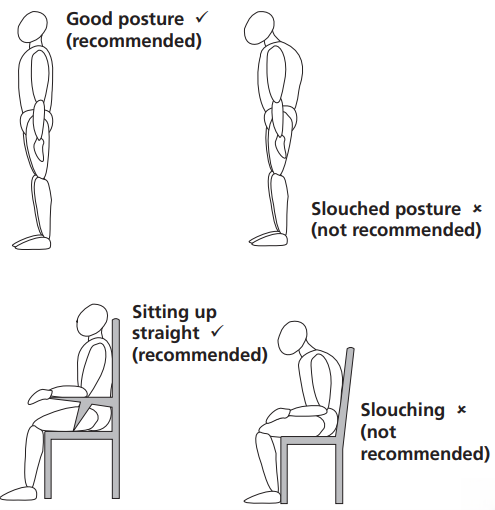
Try to maintain good posture for all of the following exercises
Neck flexion 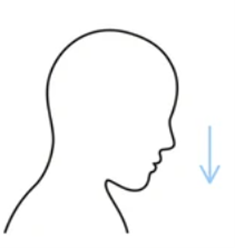
- Slowly and controlled, roll your chin down towards your chest
- Hold for 5 seconds
- Slowly bring your head back up to the starting position
Neck extension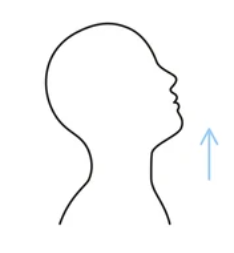
- Slowly and controlled, roll your head back and look up
- Hold for 5 seconds
- Slowly bring your head back to the starting position
Neck Rotation (Right & Left) 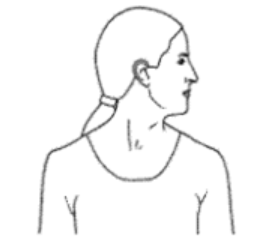
- Slowly and controlled, turn your head to look over one shoulder
- Hold for ___ seconds
- Return to the starting position
- Repeat exercise by looking over the opposite shoulder
- Repeat ___ times
Neck Slide Flexion (Right & Left)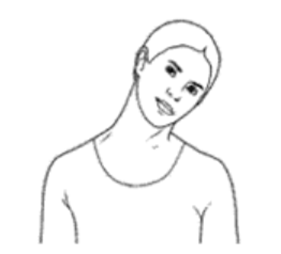
- Lower one ear down towards your shoulder
- Keep your shoulder still and only move your head
- Hold for 5 seconds
- Return to the starting position
- Repeat exercise by bringing your ear down towards your other shoulder
Shoulder Shrugs 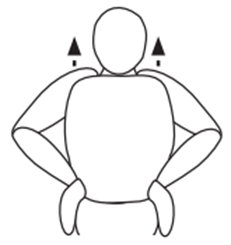
- Shrug your shoulders up towards your ears
- Gently lower them back down
Shoulder blade squeezes 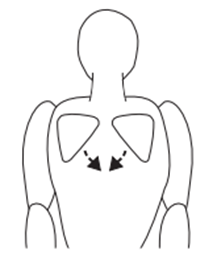
- Squeeze your shoulder blades down and together
- Hold for 5 seconds
Shoulder Flexion 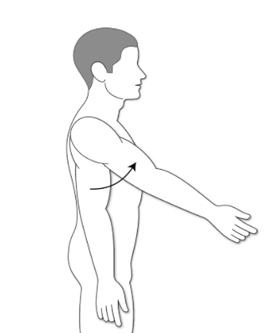
- Start with your arms straight down beside your body with your thumbs pointing up, raise both your arms forwards to shoulder height
- Try to keep your arms straight
- Try not to shrug your shoulders up as you perform this exercise
- Slowly lower your arms to the starting position
Shoulder Abduction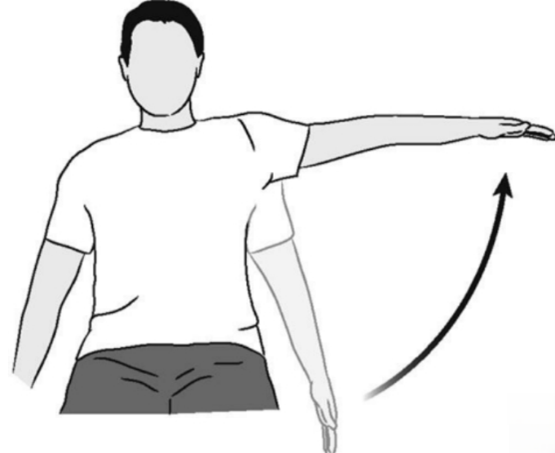
- Starting with both arms beside your body
- Lift both arms upwards and outwards to shoulder height
- Try not to shrug your shoulders up as you perform this exercise
- Slowly lower your arms to the starting position
Contact details
Secretaries at Frimley Park
Mr D J Gerrard, Mr Chong, Mr Chaudary - 03006132141
Mr K Jones, Mr Cleanthis, Miss Moore - 03006134291
Lt Col Sharrock, Mr Ali, Mr Dastur - 03006132487
North Hants Hospital Basingstoke Secretary - 01256 313569
Wexham Park Hospital Secretary - 03006153352
Vascular Specialist Nurses:
Claire Martin Lead Vascular CNS - FPH 0300 6136302
Tracey Craig Vascular CNS - FPH
Andrea Croucher Vascular CNS - FPH
Pabita Limbu Vascular CNS - FPH
Kirstie lane Vascular CNS - WPH 07770702053
Nessa Cababa Vascular CNS - ASPH 07522618600
Vascular Physiotherapy team - 07741234068
Contact us
If you have any queries relating to this information, please contact the Physiotherapy service.
About this information
Service:
Physiotherapy
Reference:
BB/101
Approval date:
10 January 2025
Review date:
10 January 2028
Click ‘show accessibility tools’ at the bottom of the page

Then click ‘select language’

Alternative formats
You can use the accessibility toolbar at the bottom of your screen to:
-
Change the text size
-
Adjust the font
-
Modify the colour contrast
-
Use the translate function
If you would like this information in another format, such as Braille, audio, or easy read, please speak to a member of staff.
You can also print as well as download as PDF using the “Print this page” button at the end of the page.
Staff will print a copy for you on request
Important note
This page provides general information only. It is developed by clinical staff and is reviewed regularly every 3 years for accuracy. For personal advice about your health, or if you have any concerns, please speak to your doctor.