

Advice after your nerve block for surgery
On this page…
Introduction
- This booklet is to help you remember the exercises that have been shown to you by your physiotherapist
- Always perform the exercises on both sides
- Try to keep performing the exercises even after you have been discharged from hospital
- If you have any questions regarding any information in this booklet, please ask a member of the team
Before you get started with the exercises
- Ensure you are sat upright and balanced – engage your core to sit upright.
- You can add resistance bands or small weights to progress these exercises when advised by your physiotherapist.
- Unless advised specifically by your physiotherapist, repeat each exercise 10 times, aiming for three times a day.
- If any of the exercises give you any pain, please stop immediately and inform your physiotherapist.
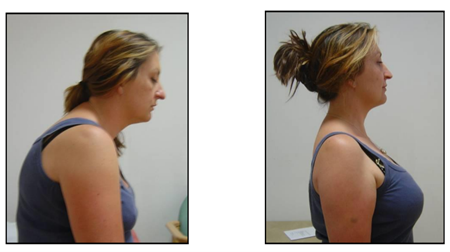
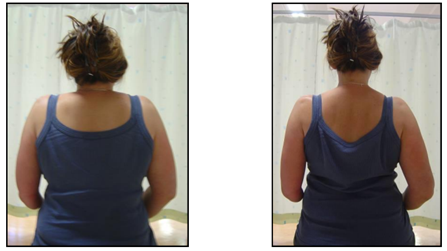
1. Correcting your posture
- Sit up tall and try to make your back as straight as you can
- Tuck in your chin and look straight forward
- Draw your shoulders down and back whilst keeping your elbows tucked in
- Try to imagine gently squeezing your shoulder blades together
- Try to maintain this posture for all of the following exercises
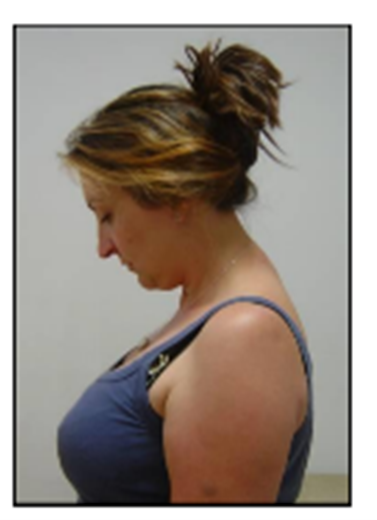
2. Neck flexion
- Slowly and controlled, roll your chin down towards your chest
- Hold for 5 seconds
- Slowly bring your head back up to the starting position
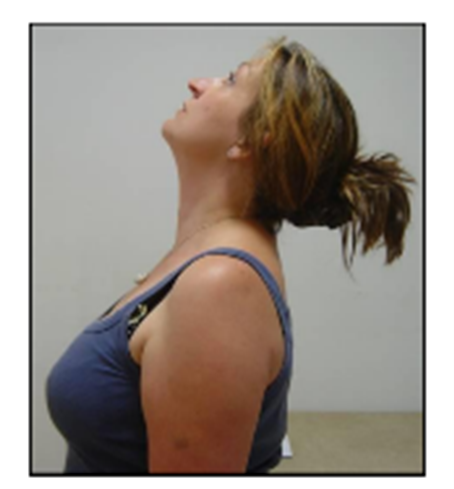
3. Neck extension
- Slowly and controlled, roll your head back and look up
- Hold for 5 seconds
- Slowly bring your head back to the starting position
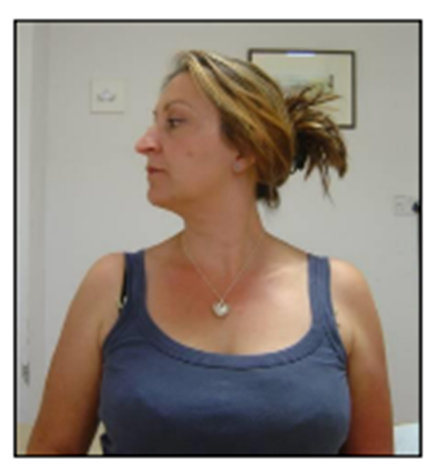
4. Neck rotation (right and left)
- Slowly and controlled, turn your head to look over one shoulder
- Hold for 5 seconds
- Return to the starting position
- Repeat exercise by looking over the opposite shoulder
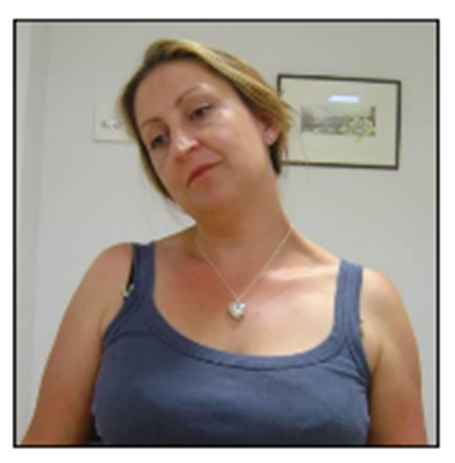
5. Neck slide flexion (right and left)
- Lower one ear down towards your shoulder
- Keep your shoulder still and only move your head
- Hold for 5 seconds
- Return to the starting position
- Repeat exercise by bringing your ear down towards your other shoulder
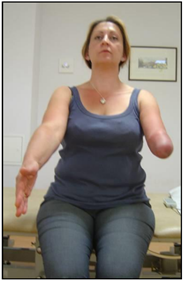
6. Shoulder flexion
- Start with your arms straight down beside your body with your thumbs pointing up, raise both your arms forwards as high as you can
- Try to keep your arms straight
- Try not to shrug your shoulders up as you perform this exercise
- Slowly lower your arms to the starting position
You can also perform this exercise whilst lying down
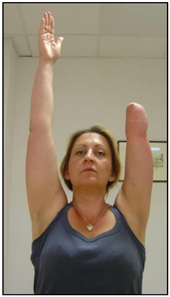
7. Shoulder abduction
- Starting with both arms beside your body
- Lift both arms upwards and outwards
- Try not to shrug your shoulders up as you perform this exercise
- Slowly lower your arms to the starting position
You can also perform this exercise whilst lying down
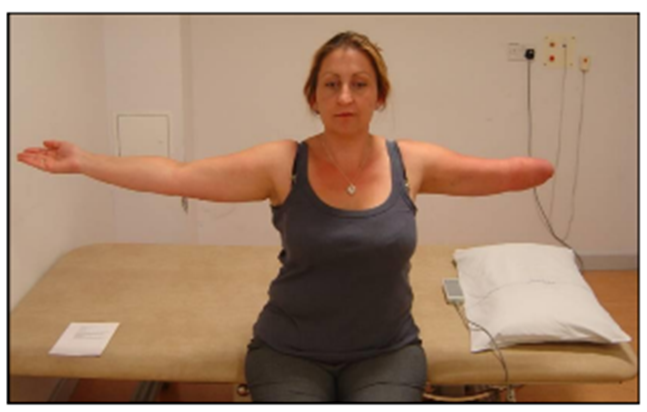
8. Shoulder external rotation
- Starting with both elbows bent and tucked in beside your body
- Rotate both your arms outwards away from your body
- Try to keep your elbows tucked in at all times
- Slowly rotate your arms inwards back to the starting position
You can also perform this exercise whilst lying down
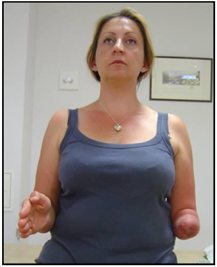
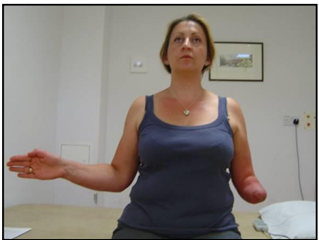
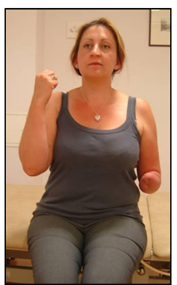
9. Elbow flexion / Bicep curl
- Starting with both your arms hanging down beside your body with you elbows straight
- Keeping both elbows tucked in
- Bend both elbows
- Slowly straighten both elbows to starting position
You can also perform this exercise whilst lying down
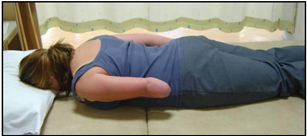
10. Lower trapezius and Deep neck flexors
- Lie on your front with your forehead rested on a pillow or rolled up towel
- Relax your arms by your sides
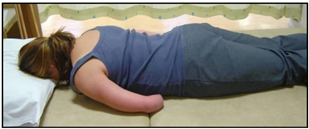
- Pull your shoulders down, aways from your ears
- Gently squeeze your shoulder blades together, lifting your arms off the bed
- Relax the shoulder blades and lower your arms down
11. Upper back rotation
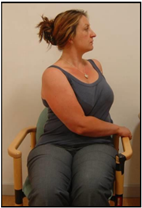
- Sitting upright
- Twist around to look behind you
- You can increase the stretch by holding onto the back of the chair
- Make sure not to lift your bottom or thigh as you twist
- Hold the stretch for 5 seconds
12. Open arm reaching
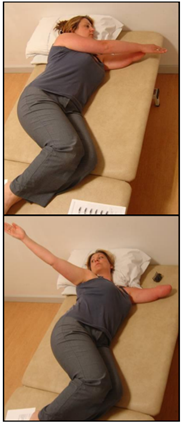
- Lie on your side (as pictured)
- Start with your arms out in-front of you at shoulder height
- Keeping your hips stacked on top of each other
- Reach your top arm out, allow your upper body to twist to follow
- Hold the stretch for a few seconds
- Bring your arm and body back to starting position
Photographs used with permission and thanks to: St George's University Hospital NHS Foundation Trust
Contact us
If you have any queries relating to this information, please contact the Physiotherapy service.
About this information
Service:
Physiotherapy
Reference:
BB/099
Approval date:
10 January 2025
Review date:
10 January 2028
Click ‘show accessibility tools’ at the bottom of the page

Then click ‘select language’

Alternative formats
You can use the accessibility toolbar at the bottom of your screen to:
-
Change the text size
-
Adjust the font
-
Modify the colour contrast
-
Use the translate function
If you would like this information in another format, such as Braille, audio, or easy read, please speak to a member of staff.
You can also print as well as download as PDF using the “Print this page” button at the end of the page.
Staff will print a copy for you on request
Important note
This page provides general information only. It is developed by clinical staff and is reviewed regularly every 3 years for accuracy. For personal advice about your health, or if you have any concerns, please speak to your doctor.