

Advice after your nerve block for surgery
On this page…
This leaflet contains information about tailored stretches designed to mobilise your hand, wrist and fingers.
Wrist
1. Support your forearm on the table, relax your hand over the edge. 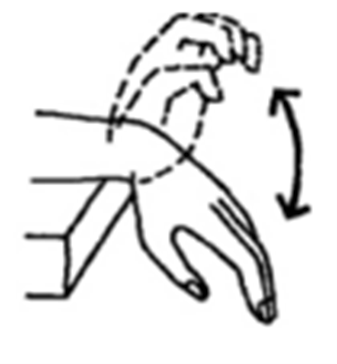
Extend the wrist and relax your fingers then lower your hand.
2. Clasp your hands together and support your forearms on the table 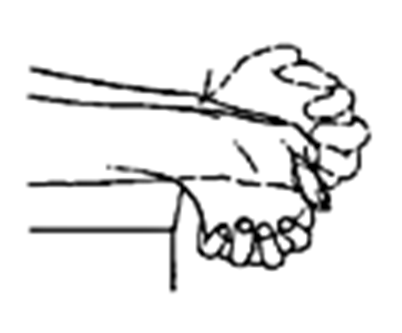
with your hands over the edge. Bend your wrists up and down.
3. Hold your fingers and wrist straight. Bend the wrists towards the 
little finger and then towards the thumb.
4. With your forearm on the table, palm down initially, alternately turn 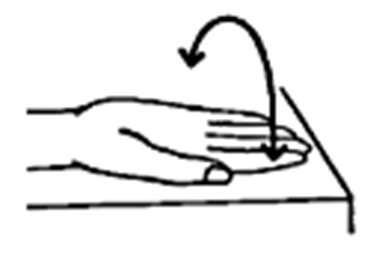
palm up and down keeping your elbow still.
Fingers
1. Fingers straight, fingers hooked. 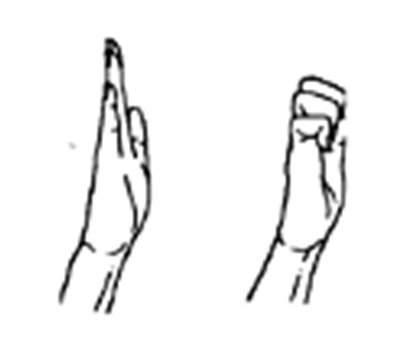
2. Make a fist, then open your hand
and straighten your fingers.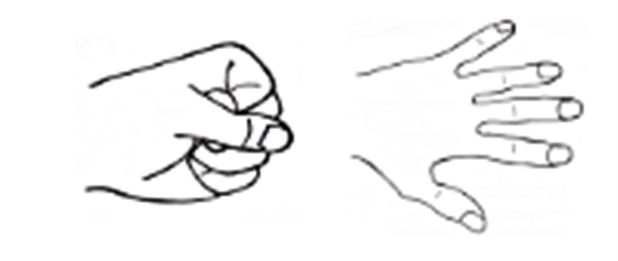
3. Bend your fingers, pressing deeply into a ball of socks / 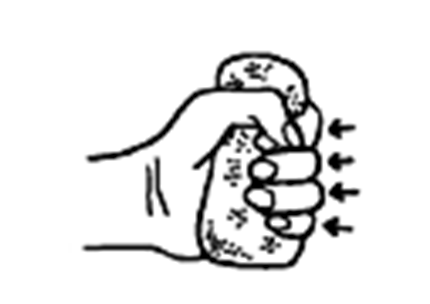
sponge. Then straighten fingers as much as possible.
Thumb
1. Put the back of your hand on a table. Bring your thumb to 
the base of your little finger. Bring your thumb back.
2. Squeeze putty between your thumb and index finger and 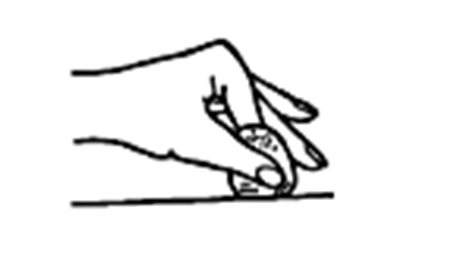
then stretch them apart. Repeat exercise with thumb and
other fingers.
3. Hold all fingers straight. Make a big circle with your thumb. 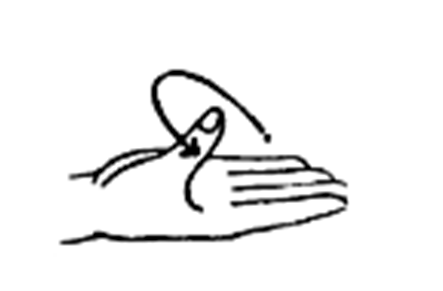
Hand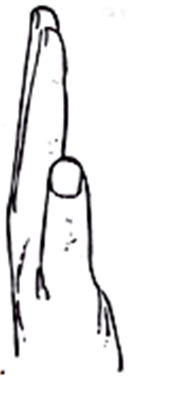
1. Straighten your fingers as far as possible, hold and relax.
2. Span: Straighten your fingers and spread them 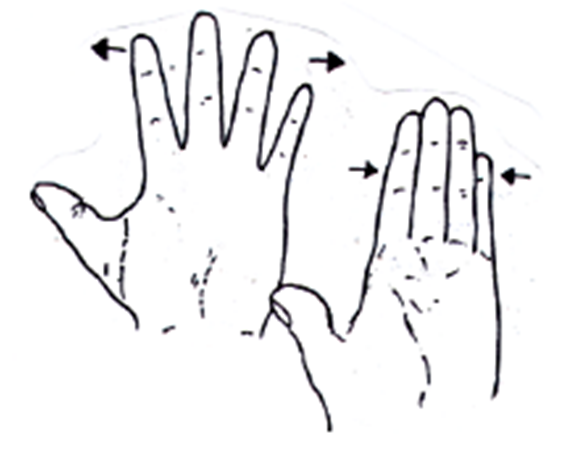
open, hold stretch. Bring your fingers back
together, hold and relax.
3. Hook: Keeping your fingers together and keeping the 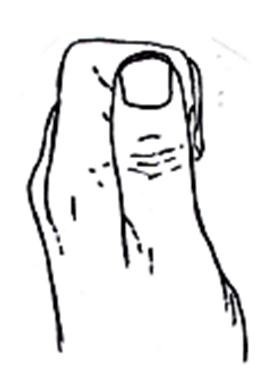
main knuckles straight. Bend the top and middle joints
of each finger together; hold and relax.
4. Table-Top: Keeping your fingers together bend 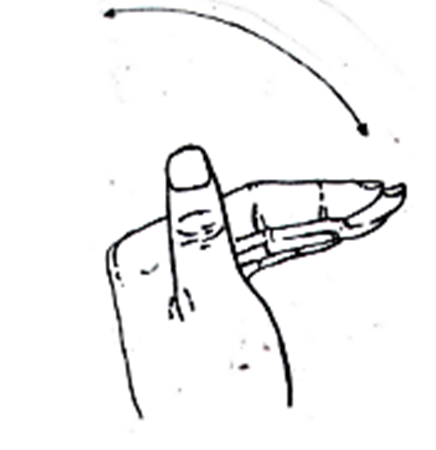
them from the main knuckles, keeping the top and
middle joints straight; hold and relax.
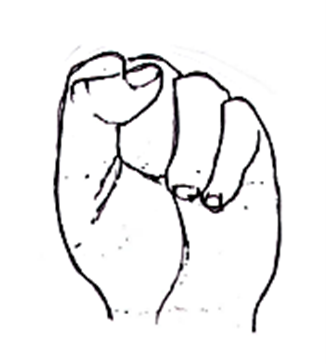
5. Fist: Aim to make a full fist; hold and relax.
If you have any further concerns, seek advice from your GP, Call NHS 111 or visit https:/
Contact us
If you have any queries relating to this information, please contact the Emergency department (ED) service.
About this information
Service:
Emergency department (ED)
Reference:
A/016
Approval date:
1 November 2024
Review date:
1 November 2027
Click ‘show accessibility tools’ at the bottom of the page

Then click ‘select language’

Alternative formats
You can use the accessibility toolbar at the bottom of your screen to:
-
Change the text size
-
Adjust the font
-
Modify the colour contrast
-
Use the translate function
If you would like this information in another format, such as Braille, audio, or easy read, please speak to a member of staff.
You can also print as well as download as PDF using the “Print this page” button at the end of the page.
Staff will print a copy for you on request
Important note
This page provides general information only. It is developed by clinical staff and is reviewed regularly every 3 years for accuracy. For personal advice about your health, or if you have any concerns, please speak to your doctor.