Stroke Incontinence - Confidence in carrying on after an ‘Oops' moment
On this page…
What is Stroke Incontinence?
It can affect both men and woman.
This is the inability to control excretions, to hold urine in the bladder, or to keep faeces in the rectum.
Urinary incontinence is more common than faecal incontinence among stroke survivors.
About half of people admitted to hospital with a stroke will have lost control of their bladder, and a third will experience loss of bowel control.
We would encourage you to speak with a team member, GP for advice if needed.
Types of Bladder Incontinence
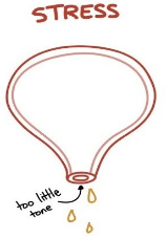
Stress – This occurs when there are damage or weak muscles of the pelvic floor or sphincter.
A small amount of urine leaks when laughing, coughing or sneezing.
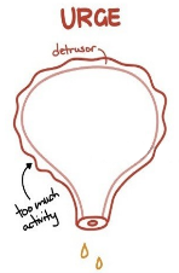
Urge – Having a sudden uncontrollable need to pass urine.
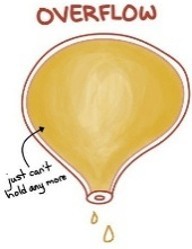
Overflow - This is the of dribbling of urine all the time, sometimes even without noticing it.
Your bladder may feel full all the time and need to strain when passing.
Functional - This can cause more problems when people cannot access the toilet easily.
This may be due to functional issues with not being able to undo buttons or alter clothing due to limb weakness.
Bladder Management
Incontinence may be embarrassing at the time; there is help available.
Avoid
Certain food/fluids can affect your bladder and may make us pass urine frequently.
Caffeinated Tea, Coffee
Fresh orange juice
Carbonated drinks
Red wine
Chocolate (both eating and drinking)
Attempt
Bladder training - Learning to increase the size of your bladder over time by toileting every couple of hours helps strengthen the bladder muscles.
Pelvic floor exercises -Strengthens the muscles to prevent leakage.
Medication - Reviewing of diuretics and medication times. Please ask your GP.
Bowel Incontinence
This occurs when brain damage disrupts nerve signals that control the bowel, or when weakened muscles make it difficult to hold stool.
Related Bowel Issues
Constipation: Reduced mobility and changes in diet often lead to constipation. Bowel becomes ‘lazy’.
Overflow Incontinence: If a large, hard stool gets stuck, watery stool can leak around it.
Bowel Management
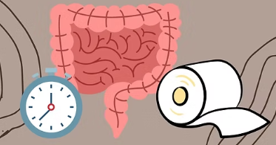
Bowel Retraining: Establish a consistent schedule for bathroom visits (e.g., 20-30 minutes after a meal) to help the body relearn a routine.
Dietary Adjustments: Increase intake of high-fibre foods (like fruits, vegetables, and whole grains) and ensure adequate hydration 1-1.5L a day.
Radar Key
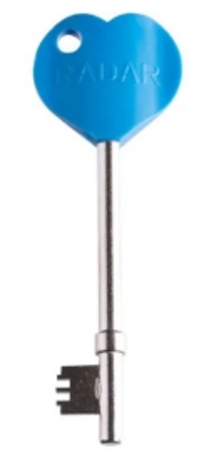
A RADAR key is a universal blue-and-silver key.
Unlocks over 10,000 public disabled toilets across the UK.
It provides independent, private access to accessible toilet facilities in shopping centres, train stations, parks, pubs, and cafes.
Cost £5
You can use the accessibility toolbar at the bottom of your screen to:
Change the text size
Adjust the font
Modify the colour contrast
Use the translate function
If you would like this information in another format, such as Braille, audio, or easy read, please speak to a member of staff.
You can also print as well as download as PDF using the “Print this page” button at the end of the page.
Staff will print a copy for you on request
Important note
This page provides general information only. It is developed by clinical staff and is reviewed regularly every 3 years for accuracy. For personal advice about your health, or if you have any concerns, please speak to your doctor.