

Advice after your nerve block for surgery
On this page…
About this page
This information is for patients having a Cardiopulmonary Exercise Test (CPET) with the Respiratory Physiology service — for example, to help investigate unexplained breathlessness, or to monitor a known lung or heart condition.
If you have been referred for a CPET specifically to assess the risks of a planned operation, a separate leaflet covering that pre-operative pathway is available from the Anaesthetics service — please ask your surgical or anaesthetic team if you are unsure which applies to you.
What is a Cardiopulmonary Exercise Test?
A CPET is a test which allows your clinician to see how your heart, lungs, and muscles work together during exercise. It can help identify the cause of breathlessness and assess how well your heart and lungs are coping with a known condition.
You will be asked to cycle on a stationary exercise bike (occasionally an arm crank is used instead) for around 10–15 minutes, wearing a facemask that measures your breathing. Your blood pressure, heart rhythm, and oxygen levels will be monitored throughout.
How Long Will It Take?
Your appointment will last about an hour in total, including preparation, the test itself (around 10–15 minutes of cycling), and a short recovery period afterwards. Please allow extra time in case your appointment overruns slightly.
Risks of Cardiopulmonary Exercise Testing
CPET is a very safe test. Because it involves physical exertion, it's common to experience some chest tightness, dizziness, or breathlessness during the test — this is an expected part of exercising hard, and it settles quickly once you rest. Let staff know if anything feels excessive or different from what you'd normally expect.
You are closely monitored throughout by a team trained to recognise and respond quickly to any problems, which is why the test is carried out this way rather than, for example, at a gym.
In very rare cases, the strain of exercise can affect the heart seriously, and in extremely rare cases this can be life-threatening — the monitoring and trained staff are there specifically to reduce this risk and act quickly if needed.
The team performing your test will talk through anything relevant to you personally before you begin, and will ask for your consent to proceed. You are in control throughout — you can ask questions at any point, and you can stop the test at any time.
Preparation, Fasting, and Infection Control
No fasting is required, but please have only a light breakfast or light lunch before your appointment, and avoid a heavy meal.
- Bring a list of your current medications and details of your medical history.
- Take all your regular medication as normal on the day, including inhalers, unless told otherwise.
- Wear comfortable clothing (trousers are preferable to a skirt or dress) and flat, secure shoes suitable for cycling.
- Do not apply creams, powders, or oils to your skin on the day of the test.
- Avoid smoking and caffeinated drinks (tea, coffee, cola, energy drinks) for at least 4 hours before the test.
To reduce the risk of infection, single-use mouthpieces/facemask filters are used for every patient where applicable, and all equipment (including the bike and monitoring leads) is cleaned between patients according to Trust infection control procedures.
What Happens During the Test
The physiologist will take a detailed history from you, focusing on any heart or breathing problems, and will explain the test and its risks before asking for your consent.
- Your height and weight will be measured, to help standardise your results.
- You will be asked to do some simple breathing tests before starting on the bike.
- You will be helped onto the bike, and the blood pressure, heart, and oxygen monitors will be attached — some patients need a small area of the chest shaved for the sensors to stick properly.
- You will sit quietly for a short time first, so a baseline reading can be taken.
- You will then cycle with very light resistance to begin with; this will gradually increase, so you have to work harder to keep pedalling at a steady pace.
- The team will encourage you to keep going for as long as you safely can, so they can see how your body responds under exertion — you can stop at any time if you need to.
- Once you have done as much as you comfortably can, the resistance is reduced and you continue pedalling gently while your recovery is recorded.
Interpreters and Chaperones
If English is not your first language, we can arrange a hospital interpreter, or a family member may interpret for you if you prefer — please let us know when you book your appointment so this can be arranged in advance.
You are welcome to have a chaperone present during your test. We can also provide a member of staff as a chaperone if you would like one — just ask a member of the team on the day, or request this in advance.
After the Test, Results, and Raising Concerns
- You will be offered a drink of water and a short period to rest — most patients feel able to go home after about 10 minutes and resume their normal routine.
- A report will be prepared and sent to your referring clinician.
- Your referring clinician will discuss the results with you, usually at a follow-up appointment — it can be helpful to bring someone with you to this appointment to help you remember what is discussed.
- If you have concerns about your results or diagnosis, including wanting a second opinion, please raise this with your referring clinician or GP in the first instance — they are best placed to discuss this with you and arrange it if appropriate.
-
If you have a concern about your care or experience, please speak to the department involved in the first instance. If you would like further advice or support, you can contact the Trust’s Patient Advice and Liaison Service (PALS). PALS can listen to your concerns including how to make a formal complaint if you wish.
PALS – Frimley Park Hospital
0300 613 6530
fhft.palsfrimleypark@nhs.net
Contraindications and when a Cardiopulmonary Exercise Test (CPET) May Not Be Suitable.
A cardiopulmonary exercise test (CPET) may not be safe to perform if you have certain medical conditions. Please let the healthcare team know before your appointment if you have any of the following:
- A recent heart attack (usually within the last 3–5 days, or as advised by your doctor).
- Unstable angina (chest pain that occurs at rest or is getting worse).
- Uncontrolled abnormal heart rhythms (arrhythmias) causing symptoms or affecting blood circulation.
- Severe narrowing of the aortic valve (severe aortic stenosis) with symptoms.
- Uncontrolled heart failure or sudden worsening of heart failure symptoms.
- Inflammation of the heart muscle or surrounding sac (myocarditis, pericarditis, or endocarditis).
- A suspected or confirmed blood clot in the lungs (pulmonary embolism) or a blood clot elsewhere in the body.
- A collapsed lung (pneumothorax).
- An acute respiratory infection (such as influenza, COVID-19, or a chest infection), especially if you have a fever or worsening symptoms.
- Uncontrolled high blood pressure (severely elevated blood pressure despite treatment).
- Any other serious illness that makes exercise unsafe.
- A tracheostomy (a surgical opening in the neck into the windpipe that holds a breathing tube) may prevent you from performing the breathing tests required during CPET or affect the accuracy of the results. Please inform the healthcare team if you have a tracheostomy.
- Severe dementia or significant cognitive impairment, if it affects your ability to understand or follow instructions, may mean the test is not appropriate.
- Severe paralysis or weakness of the facial, mouth (buccal), or respiratory muscles, or other neurological conditions that prevent you from breathing forcefully through the mouthpiece or exercising safely, may make CPET unsuitable.
Before your Appointment
Please contact the department before your appointment if you:
- Have developed a fever, cough, sore throat, or chest infection.
- Have been admitted to the hospital recently.
- Have experienced new or worsening chest pain, dizziness, fainting, or shortness of breath.
- Have had a recent heart or lung surgery.
- Are pregnant or think you may be pregnant (this does not always prevent testing, but your healthcare team should be informed).
Note: Some conditions may mean that cardiopulmonary exercise testing (CPET) is not appropriate or may need to be postponed. Before or while on your appointment, the healthcare team will review your medical history and current health to determine whether it is safe to proceed. If the test is not considered safe or is unlikely to provide reliable results, it may be delayed, postponed, or an alternative assessment may be recommended.
Support and Further Information
- Asthma + Lung UK — www.
asthmaandlung.org.uk — advice and support for people affected by respiratory conditions. - British Heart Foundation — www.
bhf.org.uk — information and support relating to heart conditions.
Help Us Improve This Service
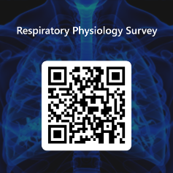
We would welcome your feedback on your experience with the Respiratory Physiology service. Please scan the QR code below to complete a short survey — your answers are anonymous and help us improve the service for future patients.
Contact Details
CPET is performed at Frimley Park Hospital and King Edward VII Hospital, Windsor only — it is not available at Slough Community Diagnostic Centre.
If you have any questions about your appointment, or if you need to cancel or rearrange, please contact us on the following numbers:
◆ Slough Community Diagnostic Centre — 0300 6155796
◆ Frimley Park Hospital — 0300 6133344
◆ King Edward VII Hospital, Windsor — 0300 6141096
Our office hours are 09:00 to 16:30, Monday to Friday. If you are unable to attend your appointment, please contact us as soon as possible so we can offer the appointment slot to another patient.
Additional Information
If you have special requirements not covered above (for example, mobility assistance), please contact the numbers above ahead of your appointment so we can prepare for your visit.
Contact us
If you have any queries relating to this information, please contact the Respiratory medicine service.
About this information
Service:
Respiratory medicine
Reference:
R/003
Approval date:
21 October 2026
Review date:
1 October 2029
Click ‘show accessibility tools’ at the bottom of the page

Then click ‘select language’

Alternative formats
You can use the accessibility toolbar at the bottom of your screen to:
-
Change the text size
-
Adjust the font
-
Modify the colour contrast
-
Use the translate function
If you would like this information in another format, such as Braille, audio, or easy read, please speak to a member of staff.
You can also print as well as download as PDF using the “Print this page” button at the end of the page.
Staff will print a copy for you on request
Important note
This page provides general information only. It is developed by clinical staff and is reviewed regularly every 3 years for accuracy. For personal advice about your health, or if you have any concerns, please speak to your doctor.