

Advice after your nerve block for surgery
On this page…
What is a Sleep Study?
A sleep study is a test that records information about your breathing, oxygen levels, and body movements while you sleep. It is used to help find out whether you have a sleep-related breathing problem, such as obstructive sleep apnoea (OSA).
Most sleep studies are done at home, in your own bed, using a small portable device — this usually gives a more accurate picture of your normal sleep than staying overnight in hospital. We use two main types of device:
- WatchPAT — a small wrist-worn device with a finger probe, sometimes with a chest sensor.
- Embletta MPR — a small recorder with a nasal sensor, chest and abdominal bands, and a finger probe.
Which device you are given depends on what your clinician has requested and what is most suitable for you.
How Long Will It Take?
The fitting appointment, where a member of staff shows you how to use the device, usually takes around 20–30 minutes. You then take the device home and wear it overnight, so the study itself takes place over one night's sleep rather than during a clinic visit.
Risks and Safety
A sleep study carries very little risk. Possible effects, which are usually mild, include:
- Mild skin irritation from the sensor adhesive or tape, which usually settles quickly once the device is removed — tell us if you have known sensitive skin or adhesive allergies, as an alternative fixing method may be available.
- The device may feel slightly unusual to sleep with on the first night, which can occasionally affect how well you sleep — this does not usually stop us getting a usable result, but if it does, we may offer you a repeat study.
Preparation, Fasting, and Infection Control
No fasting is required for a sleep study — you can eat and drink as normal, though it's best to avoid alcohol and unusually large meals close to bedtime on the night of the study, as these can affect your normal sleep pattern.
- You will be shown how to fit the device at your appointment — sometimes individually, and sometimes as part of a small group session with other patients, depending on local arrangements. You will have a chance to ask questions and, where practical, practise fitting it yourself before you leave.
- You will be given written instructions to take home with the device.
- Use the device on a normal night — avoid a night where you know your sleep will be unusual (for example, if you are unwell with a cold), unless your clinician has told you otherwise.
- Follow your usual bedtime routine as closely as possible.
To reduce the risk of infection, reusable devices are cleaned and disinfected between patients according to Trust infection control procedures, and single-use sensors/probes are used where applicable.
What Happens During the Test
- Fit the device as you were shown, shortly before you go to sleep.
- Wear the device overnight while you sleep, as normal, in your own bed.
- Try not to remove the device during the night unless it is uncomfortable or you need the bathroom — if you do need to remove it, put it back on as soon as you can.
- In the morning, remove the device and follow the instructions given to you for returning it.
Interpreters and Chaperones
If English is not your first language, we can arrange a hospital interpreter, or a family member may interpret for you if you prefer — please let us know when you book your appointment. This is particularly important for a sleep study: a clear understanding of how to fit and use the device correctly is essential to getting a usable result, not just a courtesy.
You are welcome to have a chaperone present during your fitting appointment. We can also provide a member of staff as a chaperone if you would like one — just ask a member of the team on the day, or request this in advance.
If you need an interpreter or a chaperone, please let us know in advance so we can arrange an individual appointment for you rather than a group session, as this is more appropriate when either is needed.
After the Test, Results, and Raising Concerns
- Return the device as instructed (usually by post or by bringing it back to the department) as soon as possible, so the recording can be downloaded and reviewed, and so the device is available for the next patient.
- Occasionally, the recording does not capture enough information to give a clear result, if this happens, we may ask you to repeat the study or offer you a different type of device. This does not necessarily mean anything is wrong; it can happen for several reasons, including how the device was worn overnight.
- A report will be prepared and sent to your referring clinician.
- Your referring clinician or GP will discuss the results and any treatment with you — the Respiratory Physiology team does not normally discuss results or a diagnosis directly, as this is the role of the clinician who requested the test.
- If you have concerns about your results or diagnosis, including wanting a second opinion, please raise this with your referring clinician or GP in the first instance — they are best placed to discuss this with you and arrange it if appropriate.
- You can also contact the Trust's Patient Advice and Liaison Service (PALS) for confidential advice, information, and support with any concerns about your care or experience, or to give feedback — PALS can help resolve issues quickly and informally and can advise you on making a formal complaint if needed. PALS – Frimley Park Hospital: 0300 613 6530, fhft.palsfrimleypark@nhs.net (Monday to Friday, 9am to 5pm, except bank holidays).
When a Home Sleep Study May Not Be Suitable
A home sleep study (WatchPAT or Embletta) may not be suitable for everyone. Please let us know before your appointment if any of the following apply to you:
- You have a pacemaker, implantable cardioverter-defibrillator (ICD), or another implanted electrical medical device (this is particularly important for WatchPAT, as it may not be suitable with some implanted devices). Alternative sleep studies devices may be considered.
- You have severe tremor or a condition that causes frequent hand or finger movements, which may affect the accuracy of the WatchPAT device.
- You have significant skin damage, infection, wounds, or dressings on the finger or wrist where the device is worn.
- You have poor circulation in your hands or conditions such as severe peripheral vascular disease or Raynaud's syndrome, which may affect the finger sensor used by WatchPAT.
- You are unable to fit or remove the equipment safely without assistance.
- You are acutely unwell with a fever, chest infection, or other illness that could affect the results of the study.
Before Your Sleep Study
Please contact the sleep service before your appointment if you:
- Have recently started using oxygen therapy or non-invasive ventilation (such as CPAP or BiPAP).
- Have recently had surgery or been admitted to hospital.
- Think you may not be able to use the equipment overnight.
- Have any implanted medical devices or are unsure whether they are compatible with the equipment.
Your healthcare team will decide whether home sleep study is appropriate or whether a different type of sleep test, such as an overnight sleep study in hospital, would provide more accurate results.
If you have any concerns, please contact the sleep service before your appointment.
Support and Further Information
Asthma + Lung UK: www.
Help Us Improve This Service
We would welcome your feedback on your experience with the Respiratory Physiology service. Please click here scan the QR code below to complete a short survey
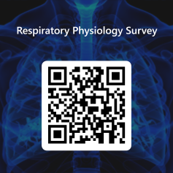
Your answers are anonymous and help us improve the service for future patients.
Contact Details
If you have any questions about your sleep study, need help with the device, or need to rearrange your appointment, please contact us on the following numbers depending on where you are having the test:
- Slough Community Diagnostic Centre — 0300 6155796
- Frimley Park Hospital — 0300 6133344
- King Edward VII Hospital, Windsor — 0300 6141096
Our office hours are 09:00 to 16:30, Monday to Friday.
Contact us
If you have any queries relating to this information, please contact the Respiratory medicine service.
About this information
Service:
Respiratory medicine
Reference:
R/001
Approval date:
28 September 2026
Review date:
1 September 2029
Click ‘show accessibility tools’ at the bottom of the page

Then click ‘select language’

Alternative formats
You can use the accessibility toolbar at the bottom of your screen to:
-
Change the text size
-
Adjust the font
-
Modify the colour contrast
-
Use the translate function
If you would like this information in another format, such as Braille, audio, or easy read, please speak to a member of staff.
You can also print as well as download as PDF using the “Print this page” button at the end of the page.
Staff will print a copy for you on request
Important note
This page provides general information only. It is developed by clinical staff and is reviewed regularly every 3 years for accuracy. For personal advice about your health, or if you have any concerns, please speak to your doctor.