Frimley Health has invested in a state-of-the-art da Vinci Xi surgical robot for Wexham Park Hospital. This multi-million-pound investment allows surgeons to perform advanced ‘keyhole’ procedures that are minimally invasive, cause less post-operative pain, and support faster recovery and shorter hospital stays.
The da Vinci Xi system translates a surgeon’s hand movements into highly precise actions, offering exceptional control during complex or delicate procedures. At Wexham Park Hospital, it will be used across multiple specialties, including general surgery, urology, gynaecology, and colorectal surgery. Surgeons remain fully in control at all times, supported by comprehensive safety systems.
Frimley Health was one of the earliest adopters of robotic-assisted systems in the NHS, with the first da Vinci model first introduced in 2009 at Frimley Park Hospital. The trust has since performed a wide range of keyhole procedures on hundreds of patients.
James Clarke, chief strategy officer said: “This is an important milestone in our robotic surgery programme which reinforces our commitment to delivering the best possible outcomes and experiences for our patients.
“This investment at Wexham Park strengthens our strategic goal of providing high-quality, personalised care across the trust while embracing innovation and technology. It also creates exciting opportunities for training and development in robotic surgery, helping us attract and retain specialist clinicians.”
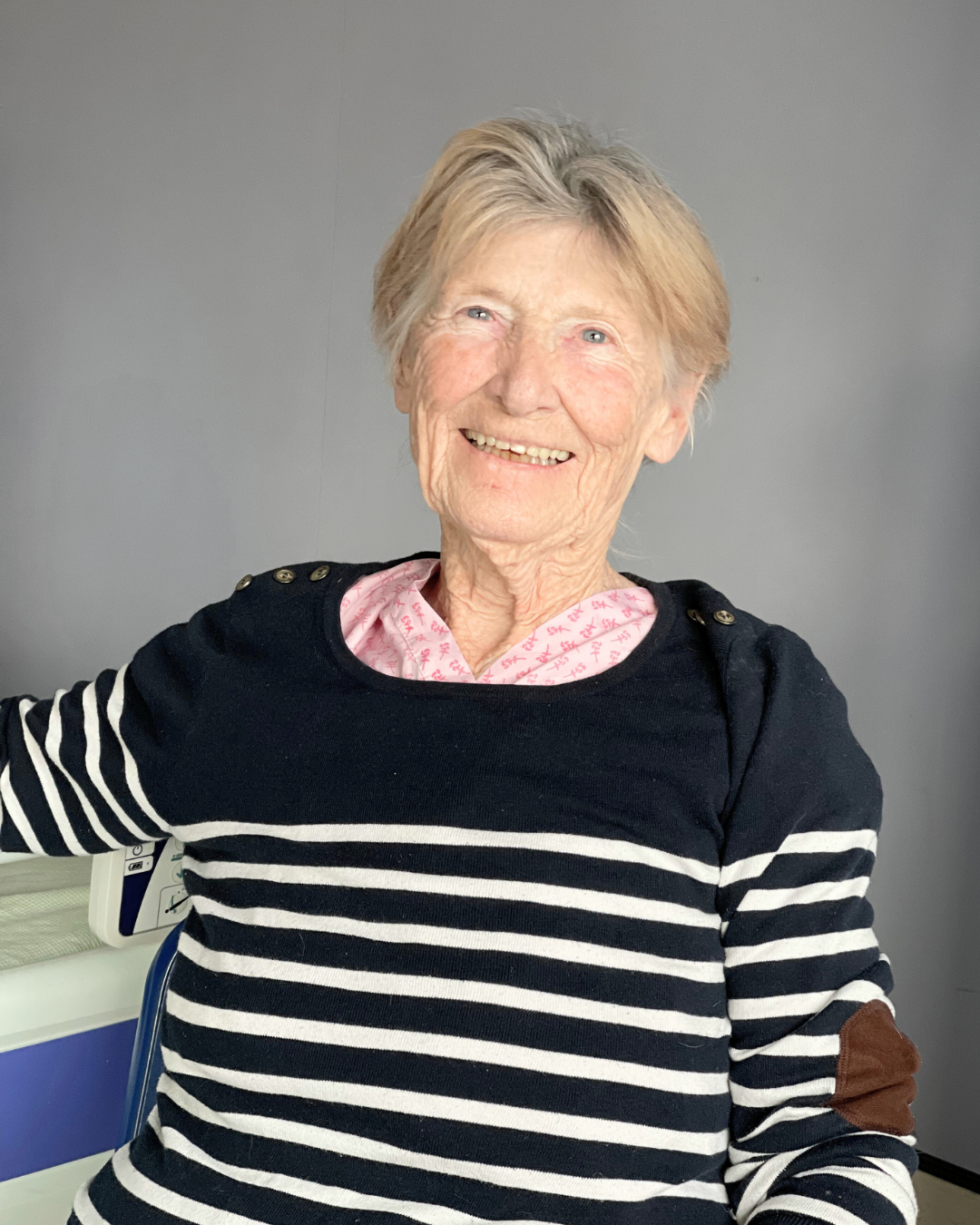
The first patient to be operated on using the new robot was Isobel Withers, 80, from Cookham in Berkshire, who had a robotic assisted procedure on her colon to remove a suspected cancerous polyp (growth).
The surgeon who carried out the procedure, Miss Alexandra Cope, consultant general and colorectal surgeon, said: “With open surgery the length of stay can be up to a week for this procedure; yet Isobel was well enough to go home after just two days. The da Vinci Xi improves the view of the surgical site, it’s a minimally invasive technique so there is less scarring externally and less tissue disruption internally. This leads to less pain, reduced blood loss and it also lowers the risk of complications. As a result, patients are usually up and out of bed the day after their operation and are able to return home quickly to continue their recovery.”
Isobel Withers said: “When the surgeon first discussed the procedure, I thought it was just going to be a robot operating on me until she reassured me that she would be guiding it - we had a laugh about that! The procedure was a great success, I felt well straight after the operation and was able to walk around with very little pain.
“I have a very big family, with seven children, 14 grandchildren, 6 great grandchildren and great great grandkids so it’s absolutely brilliant that I recovered so quickly. I feel as fit as a fiddle and I’m a living tribute to Alex’s work and the robot!”